


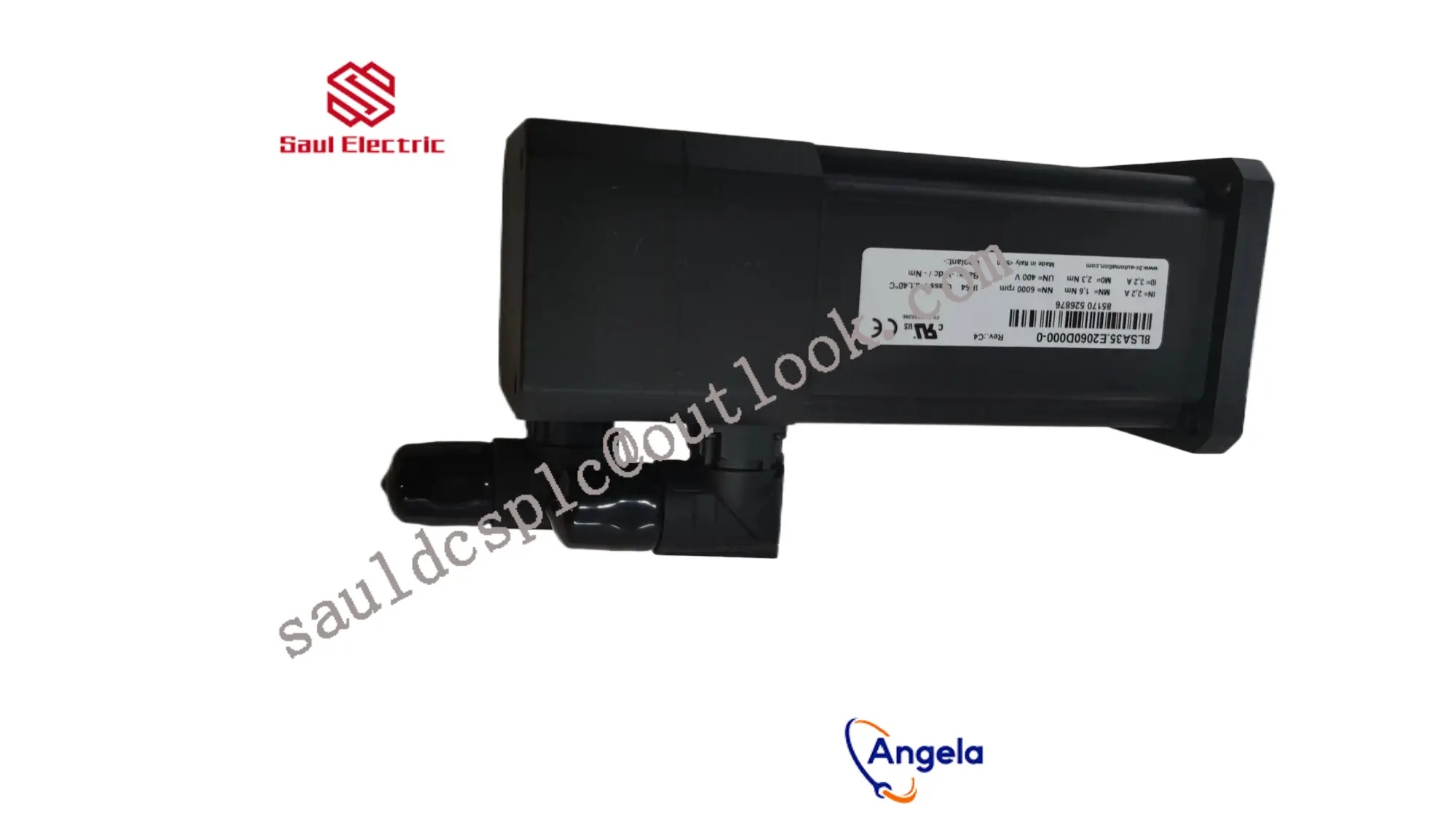
Description
I. Brand Background
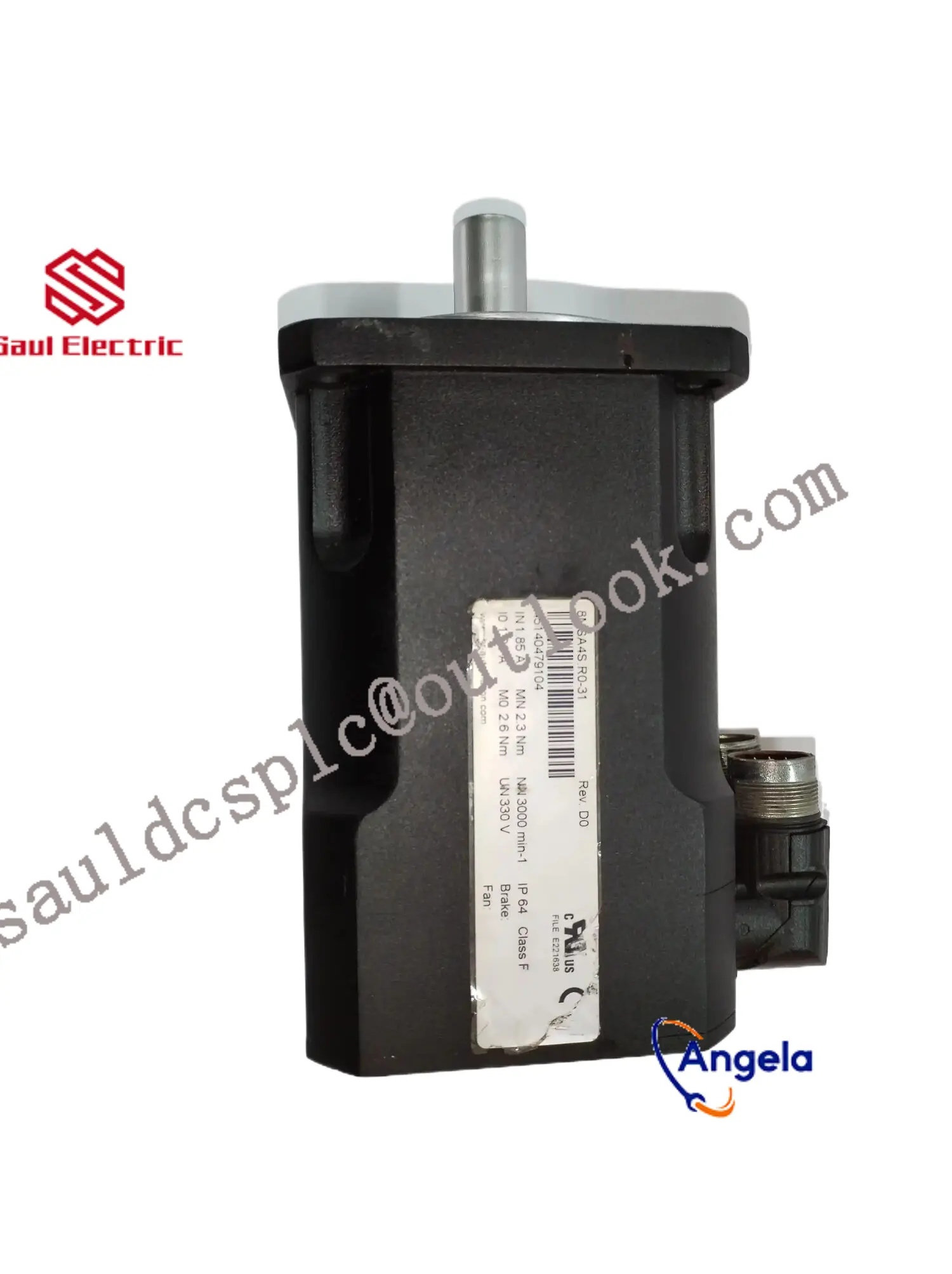
II. Product Features
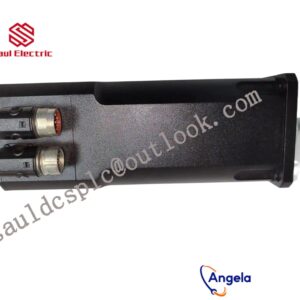
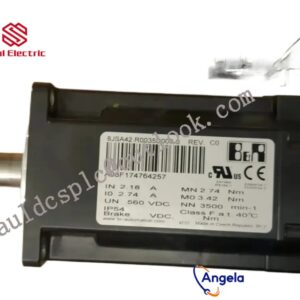
- High Performance: The 8MSA2X.E5-43 servo motor offers high precision, rapid response, and excellent stability, meeting the demands of various complex automation applications.
- Integrated Safety Technology: B&R”s servo motors incorporate advanced safety technologies, such as the openSAFETY standard,
- ensuring the safety of operators while supporting machine functionality. This safety technology adapts to changing configurations and operates reliably worldwide.
- Easy Management: With intelligent safety response capabilities, the 8MSA2X.E5-43 servo motor simplifies machine option management without compromising safety levels.
- This helps reduce downtime risks and enhance production efficiency.
- Networked Collaboration: B&R”s integrated, networked safety technology enables coordinated responses to safety events across the entire production line.
- The use of safety standards like openSAFETY ensures secure communication and interoperability between devices from different manufacturers.
- Powerful Software Support: B&R”s Automation Studio software development platform provides robust support for configuring, commissioning,
- and maintaining servo motors. Users can easily accomplish various automation tasks through this platform.
III. Application Areas
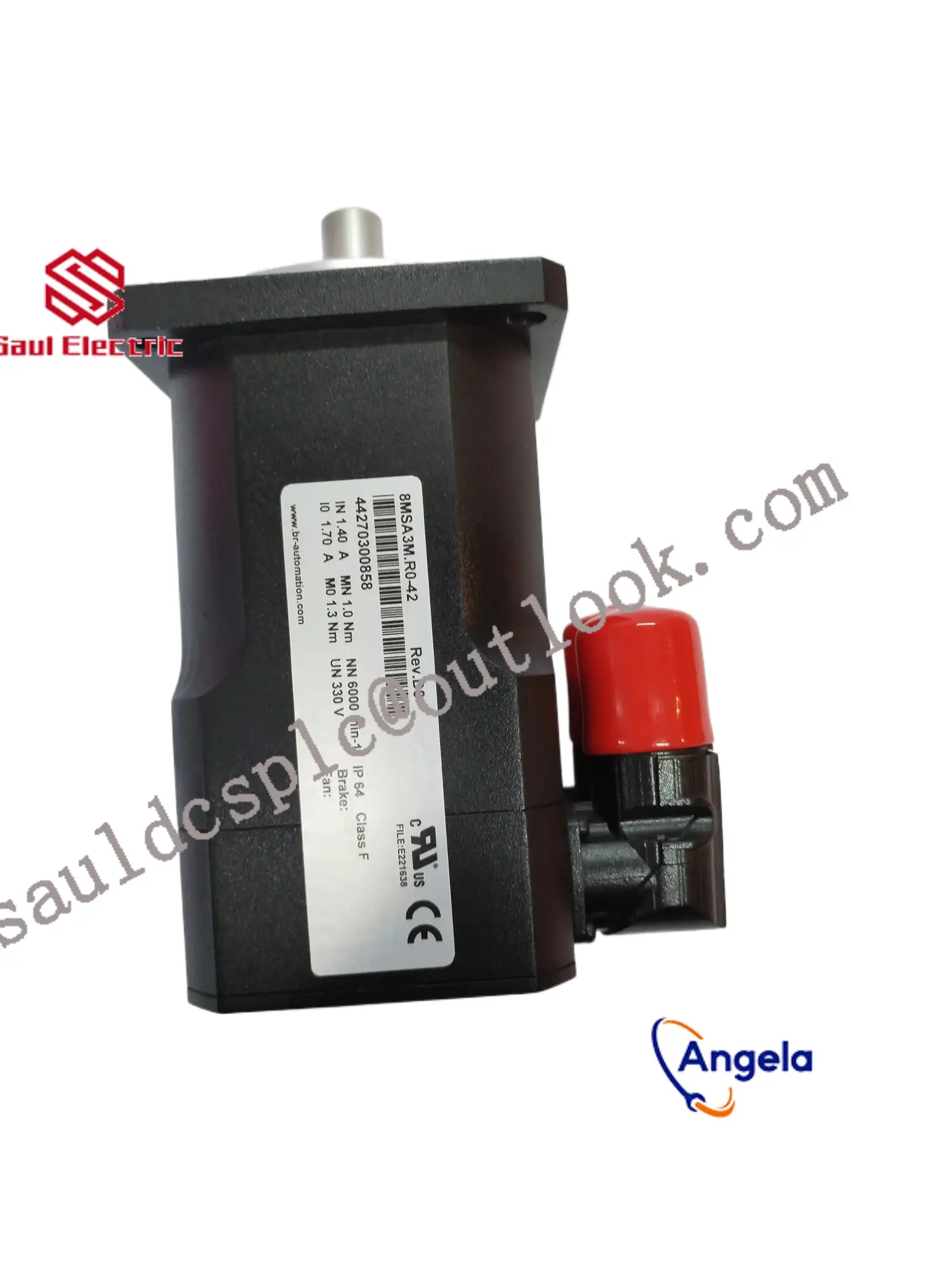
IV. Product Advantages
- Genuine Products: The 8MSA2X.E5-43 servo motor is manufactured in Austria, ensuring product quality and performance.
- Professional Services: B&R has a professional technical support and after-sales service team capable of providing timely and efficient technical support and solutions to users.
- Customization Options: B&R offers customized servo motor solutions to meet the specific needs of different users.
What does BLDC motor mean? Which is better, BLDC motor or FPA direct drive motor
What does BLDC motor mean
BLDC (Brushless DC) motor is a type of brushless DC motor, also known as a brushless motor. Compared with traditional brush DC motors,
BLDC motors use electronic commutators instead of mechanical commutators to achieve brushless and contactless operation. The BLDC motor is powered by an external power source,
and the rotor position is determined and precise motor control is achieved through electronic controllers and sensors.
The main components of a BLDC motor include the drive circuit, rotor (including permanent magnets), and stator (including coils). The drive circuit is used to control the current of three stator coils,
by continuously changing the order of coil energization, so that the current generates a magnetic field between the stator coils, thereby driving the rotor to rotate.
BLDC motors have many advantages, such as high efficiency, high torque density, low noise, and long lifespan. It is widely used in many fields, including home appliances, automation equipment,
power tools, automobiles, aerospace, etc.
Compared with traditional brush type DC motors, BLDC motors do not require mechanical commutators, thereby reducing mechanical friction and wear, and improving
motor efficiency and reliability. In addition, due to the electronic controller used in BLDC motors, precise speed and torque control can be achieved,
making them suitable for applications that require high-precision motion control.
Which is better, BLDC motor or FPA direct drive motor
BLDC (brushless DC) motor and FPA (magnetic levitation motor) direct drive motor are advanced types in modern motor drive technology,
with their own advantages and applicable scenarios. Here is a comparison between the two:
BLDC motor:
-Advantages:
-Mature technology: BLDC motor is a mature technology that has been widely applied in many fields, including home appliances, automobiles, and industrial equipment.
-Relatively low cost: The manufacturing cost of BLDC motors is relatively low, making them easy to mass produce and apply on a large scale.
-High efficiency: BLDC motors have high energy conversion efficiency and can achieve efficient power output.
-Good speed control performance: BLDC motors have good performance in speed control and regulation, suitable for applications that require precise control.
-Disadvantages:
-Using a mechanical commutator: BLDC motors require a mechanical commutator or Hall sensor to determine the rotor position, which increases the complexity and failure rate of the system.
-Friction and wear: Due to mechanical contact, BLDC motors may experience friction and wear issues, which may require regular maintenance and replacement.
FPA direct drive motor:
-Advantages:
-No mechanical contact: FPA direct drive motors utilize magnetic levitation technology, eliminating the need for mechanical contact and avoiding energy loss and maintenance costs caused by friction and wear.
-High efficiency: Due to its non-contact and frictionless nature, FPA direct drive motors have higher energy conversion efficiency, making them relatively more efficient.
-High power density: FPA direct drive motors can provide higher power density and torque output in relatively small sizes.
-Disadvantages:
-Higher cost: FPA direct drive motor technology is relatively new, and manufacturing and maintenance costs may be higher.
-Control complexity: Due to the complexity of magnetic levitation systems, the control and debugging of FPA direct drive motors may be relatively complex.
Both BLDC motors and FPA direct drive motors have their own advantages and limitations. The choice of motor type depends on factors such as specific application requirements, cost,
and performance. For scenarios with wide applications and lower cost requirements, BLDC motors may be a good choice. For higher demand applications such as high power density,
contactless, and low maintenance requirements, FPA direct drive motors may be more suitable.