


Description
I. Brand Background
II. Product Features
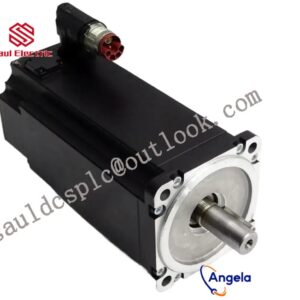
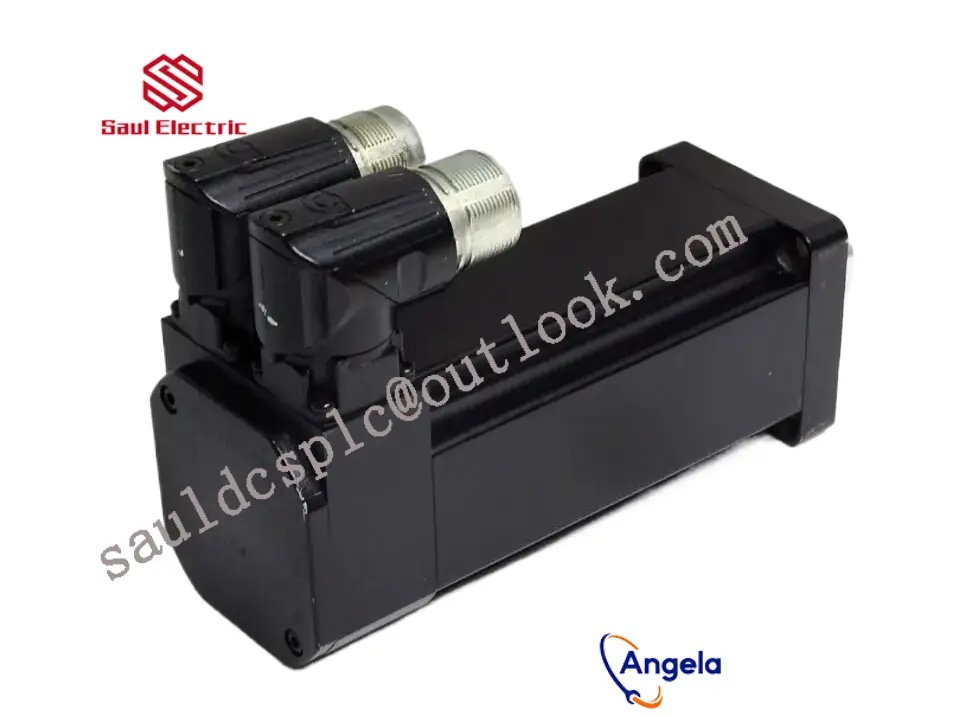
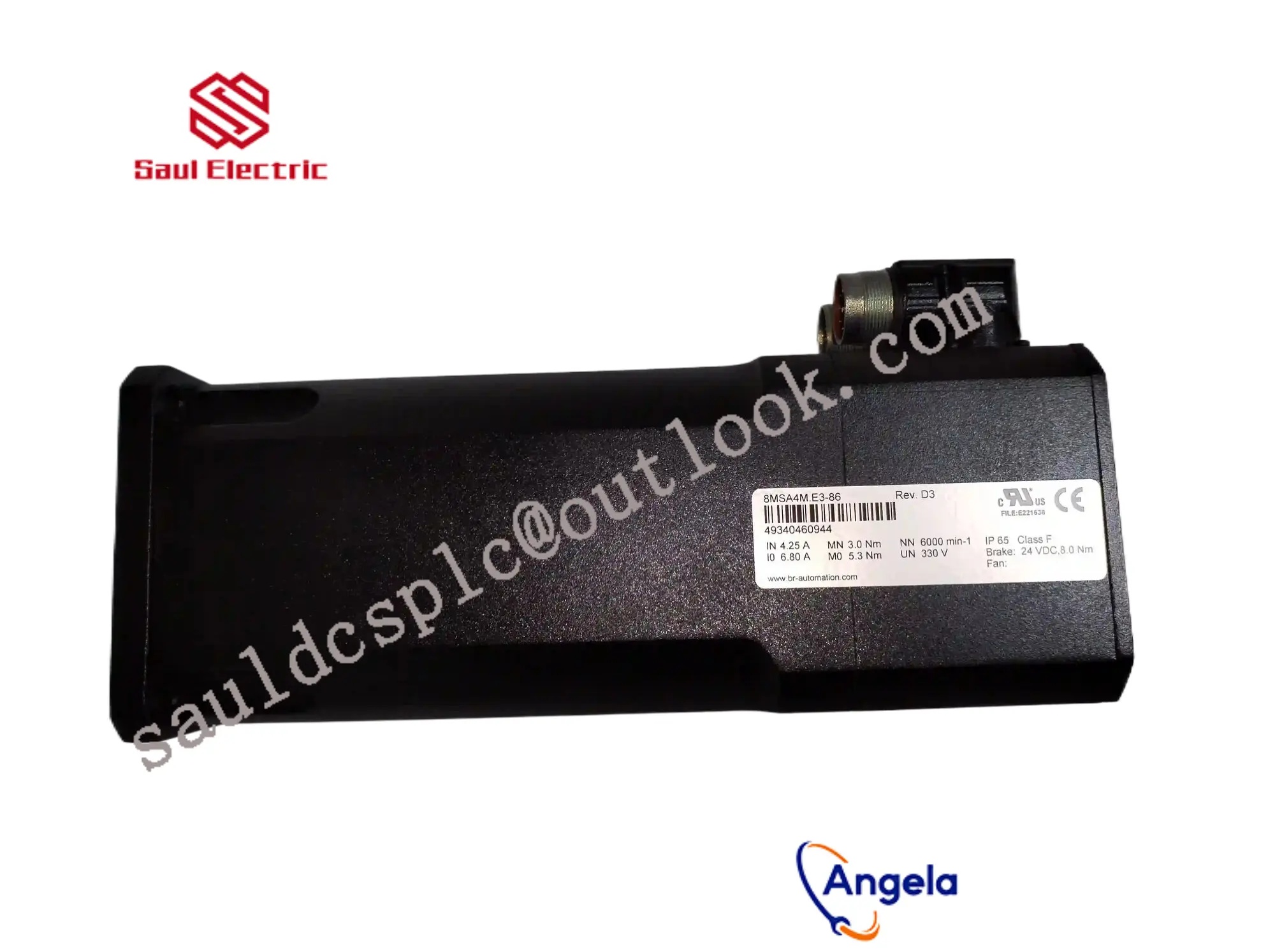
- High Performance: The 8LVA23.B8A95S004-0 servo motor offers high precision, rapid response, and excellent stability, meeting the demands of various complex automation applications.
- Integrated Safety Technology: B&R”s servo motors incorporate advanced safety technologies, such as the openSAFETY standard,
- ensuring the safety of operators while supporting machine functionality. This safety technology adapts to changing configurations and operates reliably worldwide.
- Easy Management: With intelligent safety response capabilities, the 8LVA23.B8A95S004-0 servo motor simplifies machine option management without compromising safety levels.
- This helps reduce downtime risks and enhance production efficiency.
- Networked Collaboration: B&R”s integrated, networked safety technology enables coordinated responses to safety events across the entire production line.
- The use of safety standards like openSAFETY ensures secure communication and interoperability between devices from different manufacturers.
- Powerful Software Support: B&R”s Automation Studio software development platform provides robust support for configuring, commissioning,
- and maintaining servo motors. Users can easily accomplish various automation tasks through this platform.
III. Application Areas
IV. Product Advantages
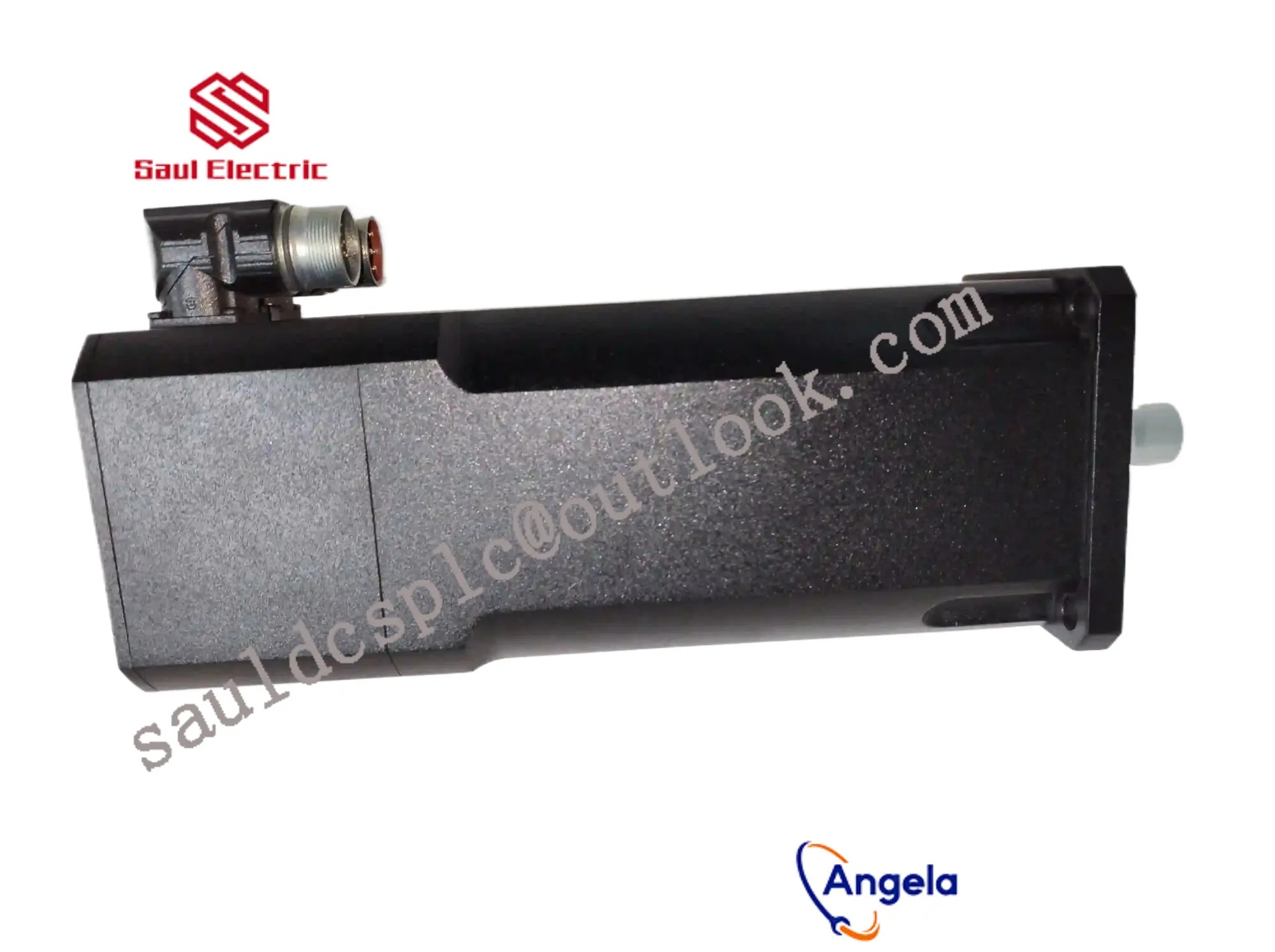
- Genuine Products: The 8LVA23.B8A95S004-0 servo motor is manufactured in Austria, ensuring product quality and performance.
- Professional Services: B&R has a professional technical support and after-sales service team capable of providing timely and efficient technical support and solutions to users.
- Customization Options: B&R offers customized servo motor solutions to meet the specific needs of different users.
Principle of Variable Speed Motor
Adjustable speed motor refers to a motor that can control the speed of the motor. It usually achieves speed control by changing the input voltage, frequency,
torque and other parameters of the motor to meet the working requirements under different loads.
The so-called speed regulating motor mainly refers to high-efficiency motors suitable for inverter power supply. It can drive different speeds and torques
with a frequency converter to adapt to changes in load requirements.
Variable frequency motor is developed on the basis of traditional squirrel cage motor, which replaces the traditional motor fan with an independent fan and improves the insulation performance of the motor winding.
The principle of variable speed motors can be divided into the following types:
Voltage regulation principle: Speed control is achieved by changing the input voltage of the motor. Generally speaking, as the voltage increases, the speed of the motor also increases.
Frequency regulation principle: Speed control is achieved by changing the input frequency of the motor. Normally, as the frequency increases, the speed of the motor also increases.
Principle of torque regulation: Speed control is achieved by changing the input torque of the motor. Normally, when the torque increases, the speed of the motor will decrease.
Principle of electronic speed regulation: Speed control is achieved by controlling the input voltage, frequency, torque and other parameters of the motor through an electronic controller.
This method has advantages such as precise control, fast response, and low noise.
In short, speed control of speed regulating motors can be achieved through different principles, and the choice of these principles will depend on specific application scenarios and requirements.
The difference between speed regulating motors and ordinary motors
The main difference between a speed regulating motor and a regular motor lies in the speed control aspect. The speed of a regular motor is fixed and cannot be adjusted through
external control methods; The speed control of the speed regulating motor can be achieved by changing the input voltage, frequency, torque and other parameters of the motor to adapt to different load requirements.
In addition, speed regulating motors usually have the following characteristics:
Wide speed regulation range: The speed regulating motor can achieve stepless speed regulation within a certain range according to different load requirements,
thereby improving the adaptability and working efficiency of the motor.
High stability: Variable speed motors have high stability and accuracy in speed control, can quickly respond to load changes, and can maintain a relatively stable speed during operation.
High power factor: Adjustable speed motors usually use electronic controllers for speed regulation, so their power factor is high, which can reduce power loss and energy consumption in the power grid.
Low noise: Due to the adjustable speed control of the speed motor according to the load requirements, its speed and noise will be reduced during low and no load,
which can improve the comfort and safety of the working environment.
In summary, compared to ordinary motors, speed regulating motors have higher flexibility and accuracy in speed control, can adapt to different load requirements,
and also have significant advantages in power factor, noise, and other aspects