


Description
I. Brand Background
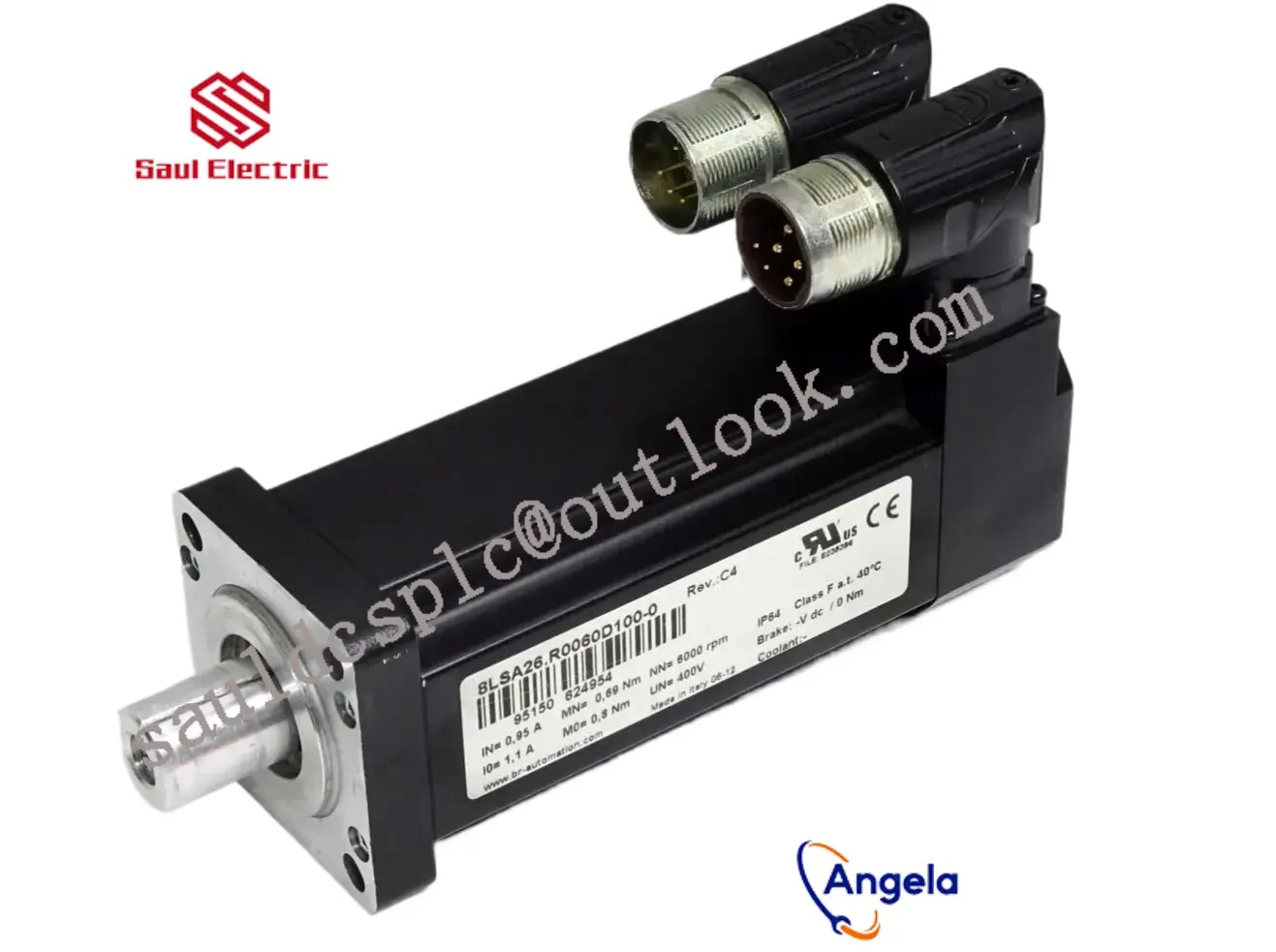
II. Product Features
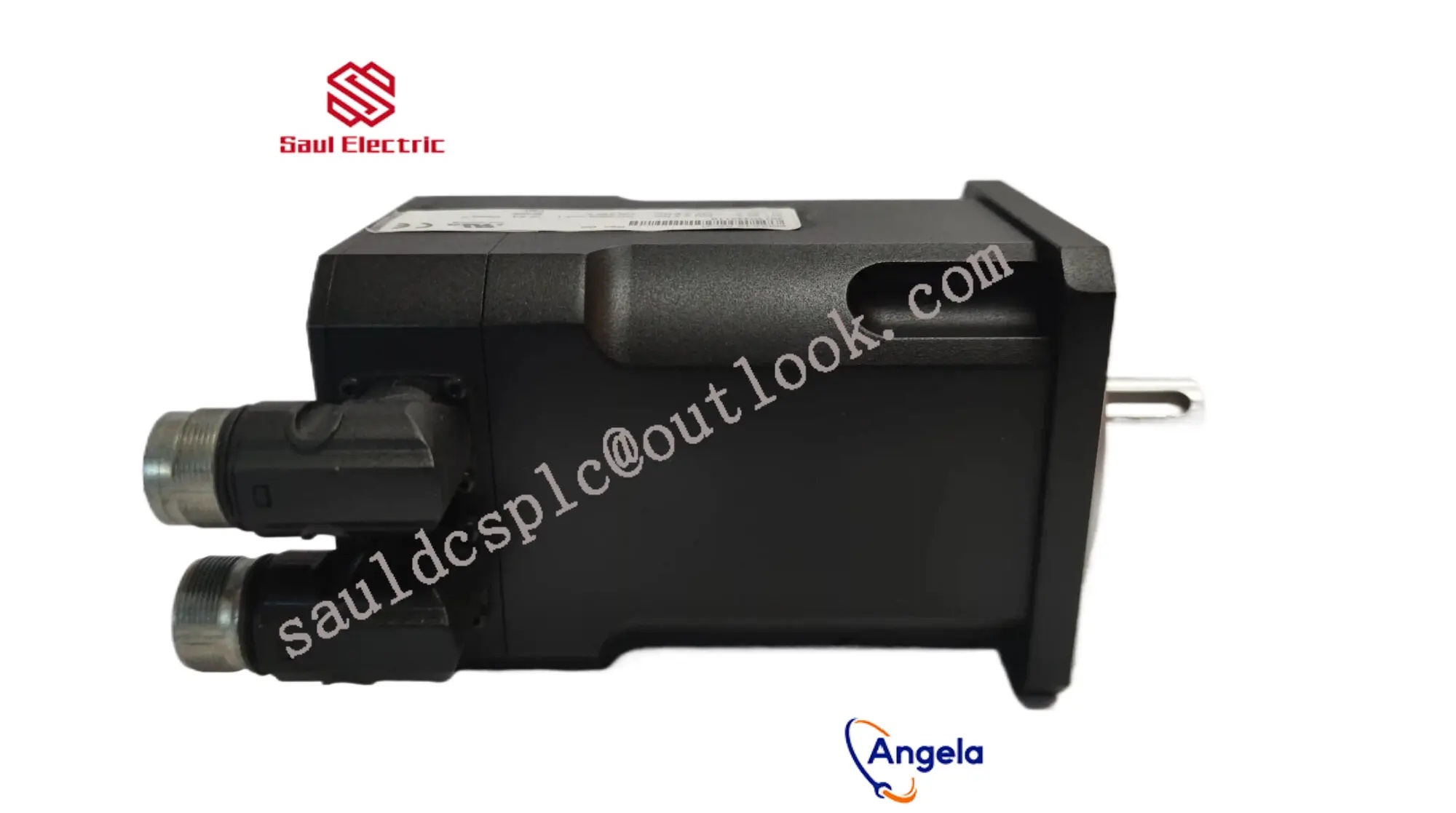
- High Performance: The 8MSA7L.E1-M4 servo motor offers high precision, rapid response, and excellent stability, meeting the demands of various complex automation applications.
- Integrated Safety Technology: B&R”s servo motors incorporate advanced safety technologies, such as the openSAFETY standard,
- ensuring the safety of operators while supporting machine functionality. This safety technology adapts to changing configurations and operates reliably worldwide.
- Easy Management: With intelligent safety response capabilities, the 8MSA7L.E1-M4 servo motor simplifies machine option management without compromising safety levels.
- This helps reduce downtime risks and enhance production efficiency.
- Networked Collaboration: B&R”s integrated, networked safety technology enables coordinated responses to safety events across the entire production line.
- The use of safety standards like openSAFETY ensures secure communication and interoperability between devices from different manufacturers.
- Powerful Software Support: B&R”s Automation Studio software development platform provides robust support for configuring, commissioning,
- and maintaining servo motors. Users can easily accomplish various automation tasks through this platform.
III. Application Areas
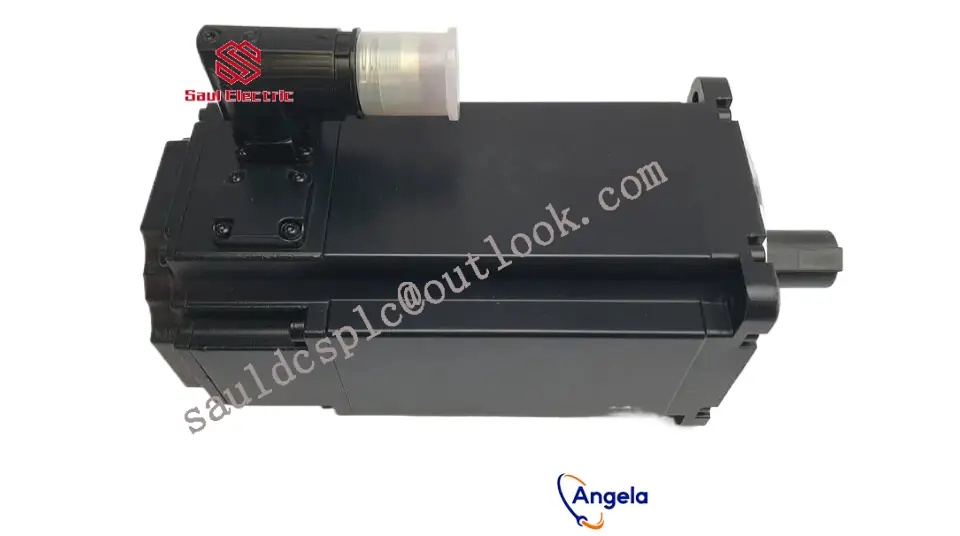
IV. Product Advantages
- Genuine Products: The 8MSA7L.E1-M4 servo motor is manufactured in Austria, ensuring product quality and performance.
- Professional Services: B&R has a professional technical support and after-sales service team capable of providing timely and efficient technical support and solutions to users.
- Customization Options: B&R offers customized servo motor solutions to meet the specific needs of different users.
The difference between variable frequency motor and servo motor
Variable frequency motors and servo motors are two commonly used types of motors in modern industrial fields. Although they can both achieve the operation of electric motors,
there are many differences in design principles, control methods, and application scope. This article will provide a detailed, detailed, and meticulous comparative analysis from these aspects.
1、 Design principle:
The variable frequency motor is controlled by a frequency converter, and the speed of the motor is controlled by changing the power frequency and voltage. And servo motors need
to be equipped with servo systems, which control the position and speed of the motor through sensors and feedback loops.
2、 Control method:
The control method of variable frequency motor is relatively simple, which only requires adjusting the frequency and voltage of the power supply through the frequency converter to
achieve control of the motor speed. The control of servo motors is more complex, requiring feedback and control of position and speed through servo systems to achieve high-precision motion control.
3、 Application scope:
Due to the relatively simple control method of variable frequency motors, they are usually suitable for applications that do not require high speed, such as ventilation equipment,
water pumps, compressors, etc. Due to its higher control accuracy and response speed, servo motors are suitable for applications that require high position and speed, such as CNC machine tools, robots, automated production lines, etc.
4、 Response speed:
Due to the servo system equipped on the servo motor, it can sense the position and speed of the motor in real time and automatically adjust based on feedback information,
resulting in a faster response speed. However, variable frequency motors can only adjust the frequency and voltage of the power supply to control the motor speed, and cannot sense the motor speed in real time, so the response speed is relatively slow.
5、 Control accuracy:
The control accuracy of servo motors is high, achieving sub millimeter displacement accuracy and millisecond level response speed. The control accuracy of variable
frequency motors is relatively low, generally unable to achieve sub millimeter displacement accuracy.
6、 Cost:
Due to the need for additional equipment such as servo systems and sensors, the cost of servo motors is relatively high. The design of variable frequency motors is relatively simple, so the cost is lower.
In summary, there are significant differences between variable frequency motors and servo motors in terms of design principles, control methods, application scope,
response speed, control accuracy, and cost. In the industrial field, it is necessary to choose the appropriate motor type based on specific application requirements to achieve the best motion control effect.