


Description
I. Brand Background
II. Product Features
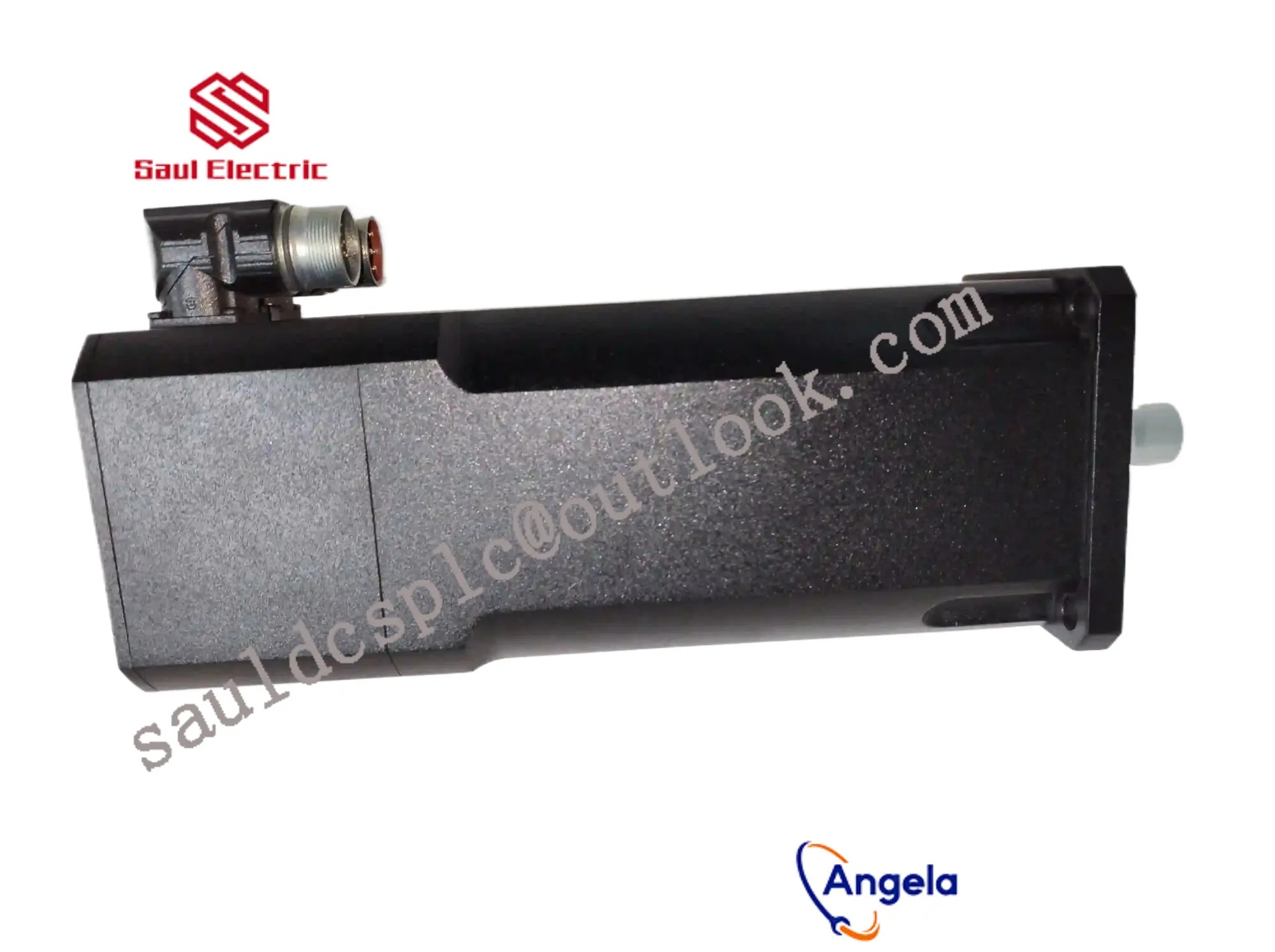
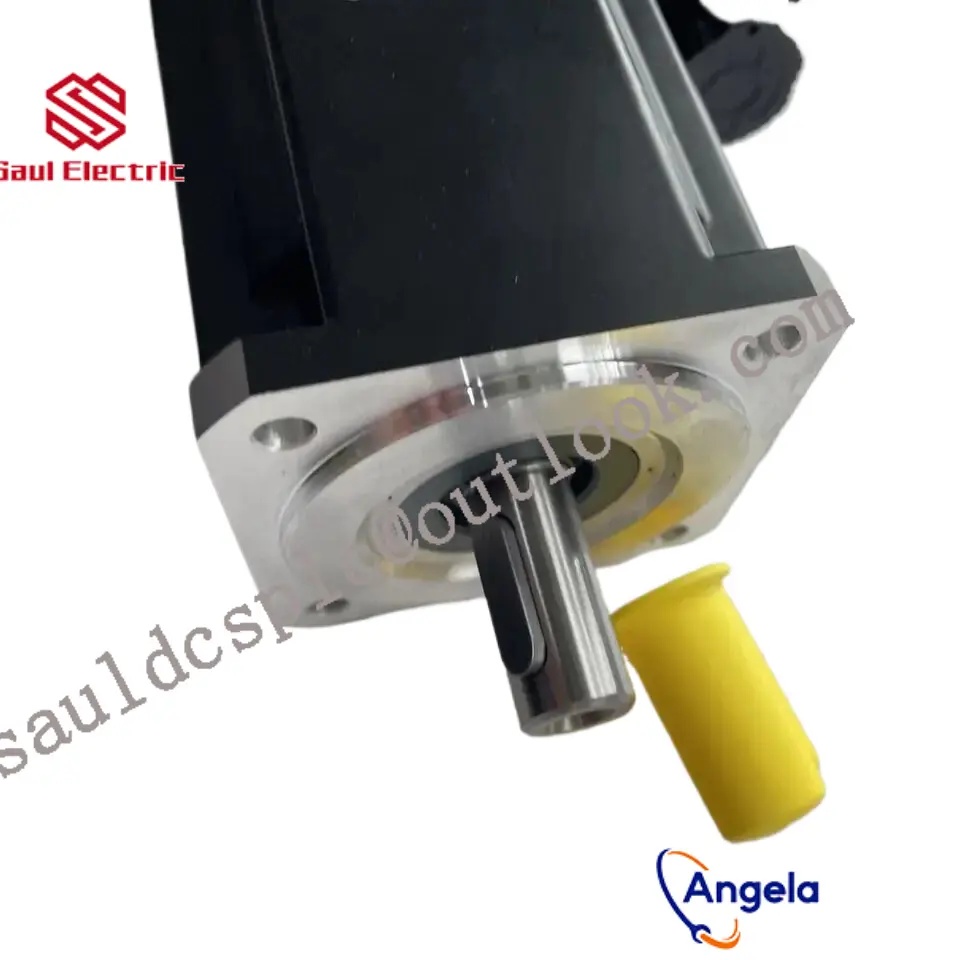
- High Performance: The 8MSA3M.R0-32 servo motor offers high precision, rapid response, and excellent stability, meeting the demands of various complex automation applications.
- Integrated Safety Technology: B&R”s servo motors incorporate advanced safety technologies, such as the openSAFETY standard,
- ensuring the safety of operators while supporting machine functionality. This safety technology adapts to changing configurations and operates reliably worldwide.
- Easy Management: With intelligent safety response capabilities, the 8MSA3M.R0-32 servo motor simplifies machine option management without compromising safety levels.
- This helps reduce downtime risks and enhance production efficiency.
- Networked Collaboration: B&R”s integrated, networked safety technology enables coordinated responses to safety events across the entire production line.
- The use of safety standards like openSAFETY ensures secure communication and interoperability between devices from different manufacturers.
- Powerful Software Support: B&R”s Automation Studio software development platform provides robust support for configuring, commissioning,
- and maintaining servo motors. Users can easily accomplish various automation tasks through this platform.
III. Application Areas
IV. Product Advantages
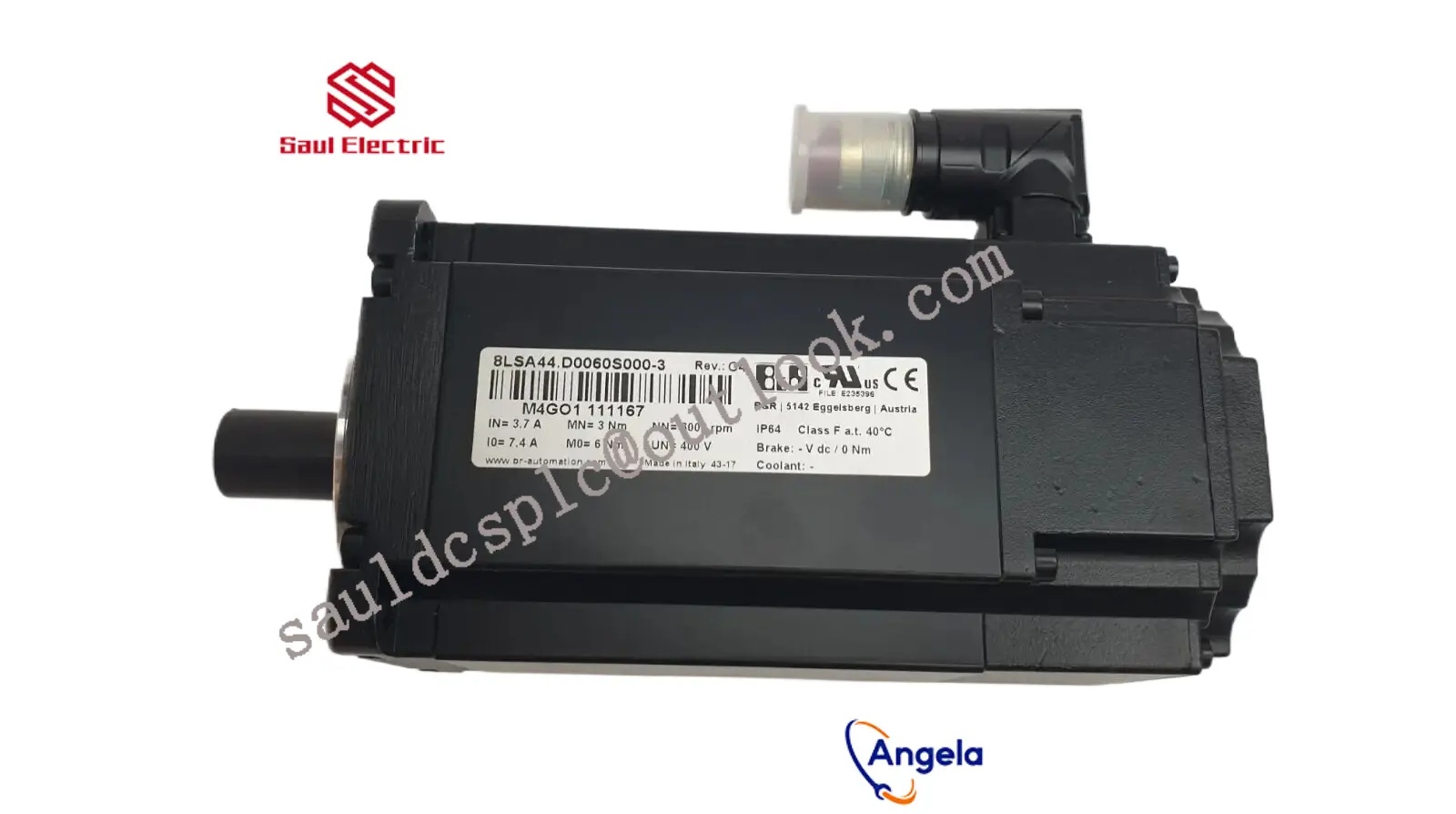
- Genuine Products: The 8MSA3M.R0-32 servo motor is manufactured in Austria, ensuring product quality and performance.
- Professional Services: B&R has a professional technical support and after-sales service team capable of providing timely and efficient technical support and solutions to users.
- Customization Options: B&R offers customized servo motor solutions to meet the specific needs of different users.
What does power frequency motor mean
Power frequency motors refer to AC motors that are directly driven by the mains power frequency (usually 50Hz or 60Hz). They are commonly used in applications with low precision,
low speed, and low requirements. The advantages of power frequency motors are simple structure, high reliability, and low cost, but the disadvantages are that the
speed and torque are difficult to control and adjust, and the accuracy is low, which is not suitable for applications that require high-precision control.
In modern industrial production, with the increasing demand for product quality and efficiency, more and more applications require higher precision and control performance.
Therefore, variable frequency motors have gradually replaced power frequency motors as the mainstream. Variable frequency motors can control the speed and torque of the
motor through a frequency converter, improving the efficiency and accuracy of the motor, and are suitable for a wider range of application fields.
Frequency motor changes frequency motor
The conversion of a power frequency motor to a variable frequency motor usually requires the following steps:
Replacing motor rotor: As the number of permanent magnets in the rotor of a power frequency motor is designed based on the frequency of the power supply (50Hz or 60Hz),
it is necessary to replace the motor rotor to adapt to the frequency output of the frequency converter.
Replacing stator winding: In order to adapt to the voltage and frequency output of the frequency converter, it is necessary to replace the motor stator winding. Usually,
a special VPI (Vacuum Pressure Impregnation) winding process is used to improve the high-temperature resistance of the stator.
Installing a frequency converter: A frequency converter is a device that converts power frequency into adjustable frequency and voltage. Install the frequency converter
on the motor and connect the motor to the output terminal of the frequency converter to control the motor speed.
Debugging and testing: After completing the motor modification, debugging and testing are required to ensure the normal operation of the motor and frequency converter.
This includes setting the parameters of the frequency converter, adjusting the output frequency and voltage, checking the operating status of the motor, etc.
It should be noted that converting a power frequency motor to a variable frequency motor requires complex modification work, including replacing the motor rotor and stator windings.
Therefore, a certain level of professional knowledge and skills in motor and electrical aspects is required, while ensuring that the modified motor meets relevant safety standards
and regulations. In addition, the modified motor may affect its performance and lifespan, requiring regular maintenance and overhaul.
Which is more expensive, power frequency motor or variable frequency motor
Usually, the price of variable frequency motors is higher than that of power frequency motors. This is because variable frequency motors need to be used in conjunction with
frequency converters, which are complex power electronic devices that require high-quality electronic components, resulting in relatively high costs. In addition,
the design and manufacturing of variable frequency motors also need to consider more factors,
such as adaptability to the output power of the frequency converter, control of the heat and noise that may be generated during the variable frequency speed regulation process, etc., all of which will have an impact on their cost.
On the other hand, although the price of power frequency motors is relatively low, they are subject to certain limitations in speed regulation and operational efficiency.
If precise speed control is required or there are higher requirements for energy efficiency, variable frequency motors need to be used.
It should be noted that the specific price differences depend on various factors such as motor model, brand, and specifications, and may vary in different situations.
Therefore, when choosing a motor, it is necessary to consider comprehensively based on actual needs.