


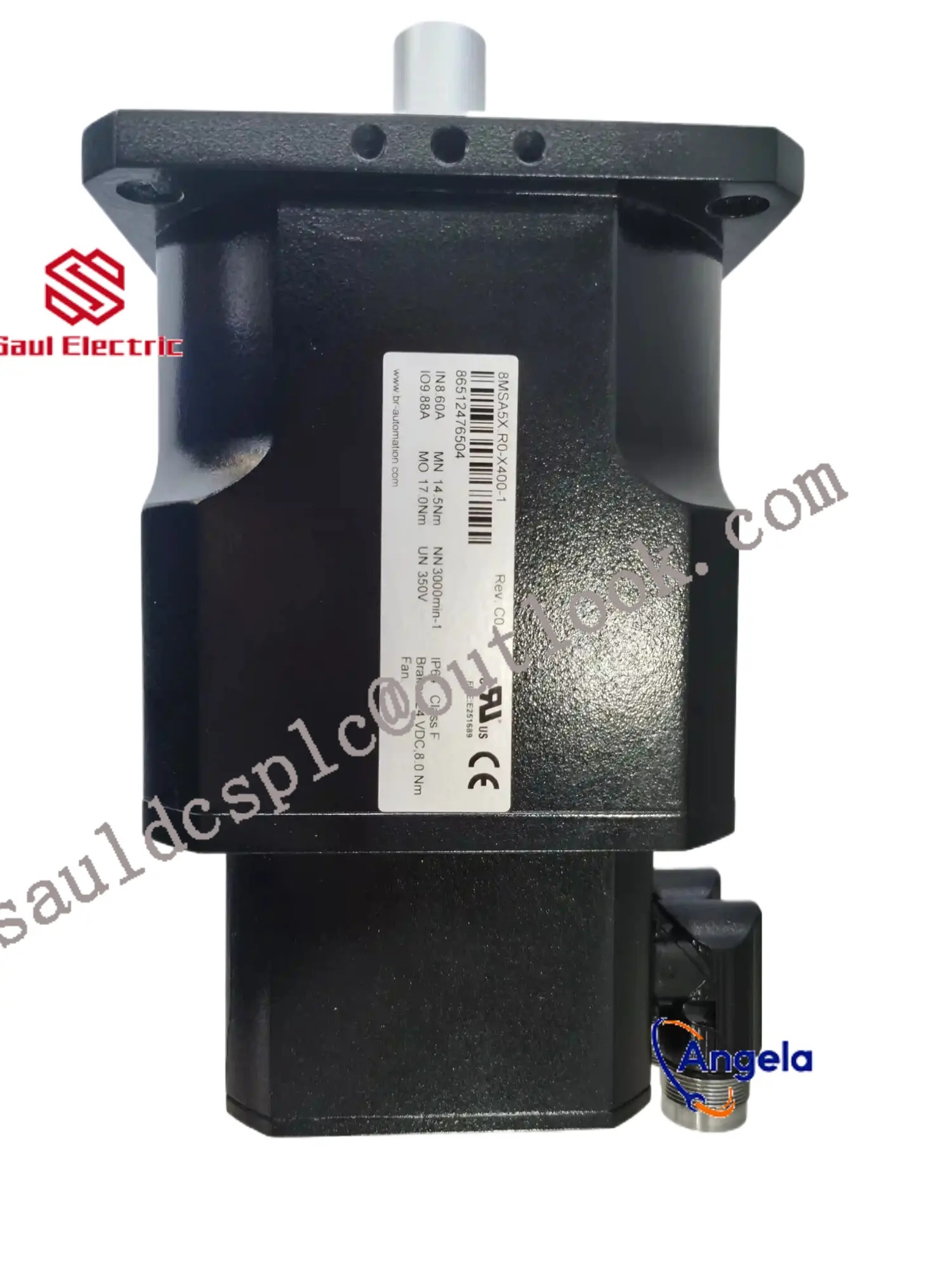
Description
I. Brand Background
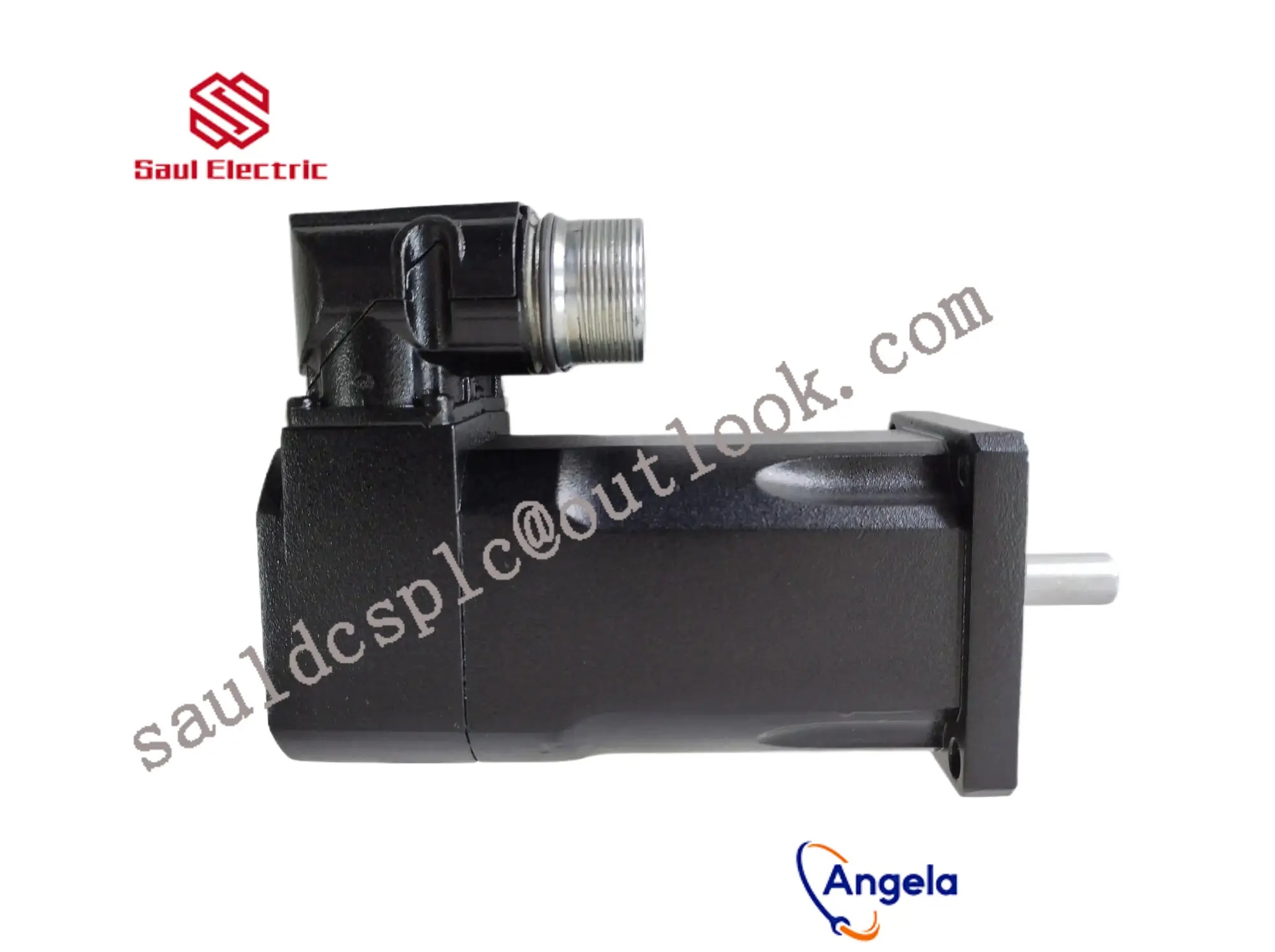
II. Product Features
- High Performance: The 8MSA3M.E2-30 servo motor offers high precision, rapid response, and excellent stability, meeting the demands of various complex automation applications.
- Integrated Safety Technology: B&R”s servo motors incorporate advanced safety technologies, such as the openSAFETY standard,
- ensuring the safety of operators while supporting machine functionality. This safety technology adapts to changing configurations and operates reliably worldwide.
- Easy Management: With intelligent safety response capabilities, the 8MSA3M.E2-30 servo motor simplifies machine option management without compromising safety levels.
- This helps reduce downtime risks and enhance production efficiency.
- Networked Collaboration: B&R”s integrated, networked safety technology enables coordinated responses to safety events across the entire production line.
- The use of safety standards like openSAFETY ensures secure communication and interoperability between devices from different manufacturers.
- Powerful Software Support: B&R”s Automation Studio software development platform provides robust support for configuring, commissioning,
- and maintaining servo motors. Users can easily accomplish various automation tasks through this platform.
III. Application Areas
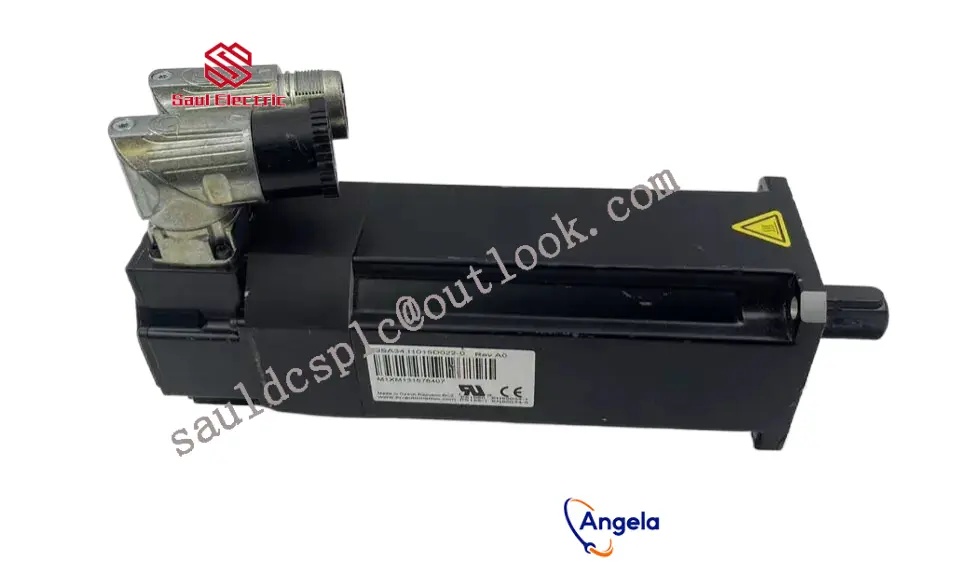
IV. Product Advantages
- Genuine Products: The 8MSA3M.E2-30 servo motor is manufactured in Austria, ensuring product quality and performance.
- Professional Services: B&R has a professional technical support and after-sales service team capable of providing timely and efficient technical support and solutions to users.
- Customization Options: B&R offers customized servo motor solutions to meet the specific needs of different users.
What is motor soft start? The difference between soft start motor and ordinary motor
Motor soft start is a technology used to start motors, with the aim of reducing the impact and stress of the motor during the starting process, protecting the motor and
related equipment, and improving the stability and reliability of the system. Soft start usually uses a gradual acceleration method to gradually reach the rated speed of the motor
during the starting process, thereby avoiding the large current and impact force generated at the moment of motor starting in traditional direct start methods.
Common types of motors that use soft start include large AC motors, compressors, fans, pumps, etc. These motors typically require a quick response to the system upon startup and
have high demands on the system”s current surge load. For example, when starting a water pump, directly starting the electric motor can cause significant impact and water hammer forces in
the system, which can easily lead to equipment rupture or shortened equipment life; When the compressor of the air conditioning system is started, direct starting will generate a large current,
which will cause serious impact loads on the power grid and equipment.
Compared with ordinary motors, soft start motors have the following differences:
1. Startup process: Ordinary motors often require a large amount of current and torque to start quickly at once, while soft start motors gradually provide current and increase torque through a controller to
ensure smooth startup. The soft start process can be divided into two stages: acceleration and working state, which is beneficial for protecting equipment and extending motor life.
2. Load impact: When a regular motor starts, it will generate a large current and impact force in an instant, which can easily cause load impact on the system and may lead to problems such as voltage drop
in the power grid and equipment damage. Soft start motors can set parameters such as starting time, acceleration time, and slope according to user needs, which can reduce impact loads and protect the stable operation of the system.
3. Motor lifespan: Ordinary motors have high current at the moment of starting, which can easily shorten the lifespan of the equipment; The starting process of a soft start motor can gradually provide
current and torque, making the motor run more smoothly, reducing equipment wear, and thus extending the motor life.
4. Energy efficiency: Due to the control of the increase rate of current and torque during the start-up of the soft start motor, energy waste caused by instantaneous high current is avoided, and the energy
efficiency of the motor is improved.
5. Adjustable: Soft start motors usually have adjustable speed functions, which can adjust the starting speed and torque according to actual needs, enabling the motor to adapt to different loads and working conditions.
In short, motor soft start technology gradually reaches the rated working state by controlling the rate of increase of current and torque, thereby reducing the impact load and instantaneous high current during startup,
and protecting the safe and stable operation of equipment and power grid. Compared to ordinary motors, soft start motors have lower load impact, longer lifespan, higher energy efficiency, and better adjustability.
Therefore, in applications that require control of the motor starting process, soft start technology is a very effective solution.