


Description
I. Brand Background
II. Product Features
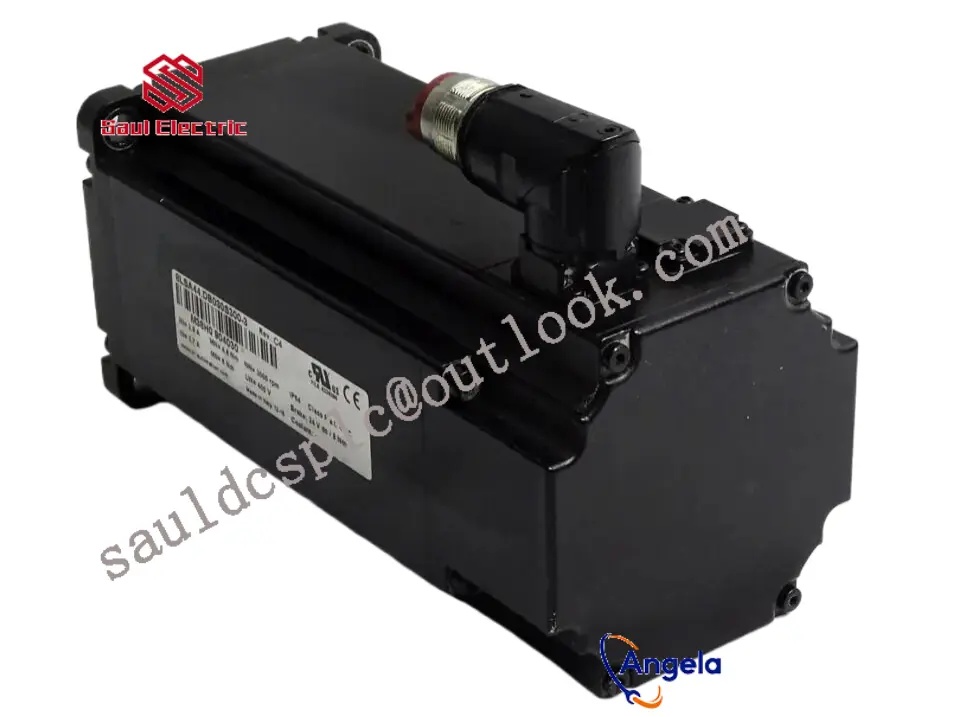
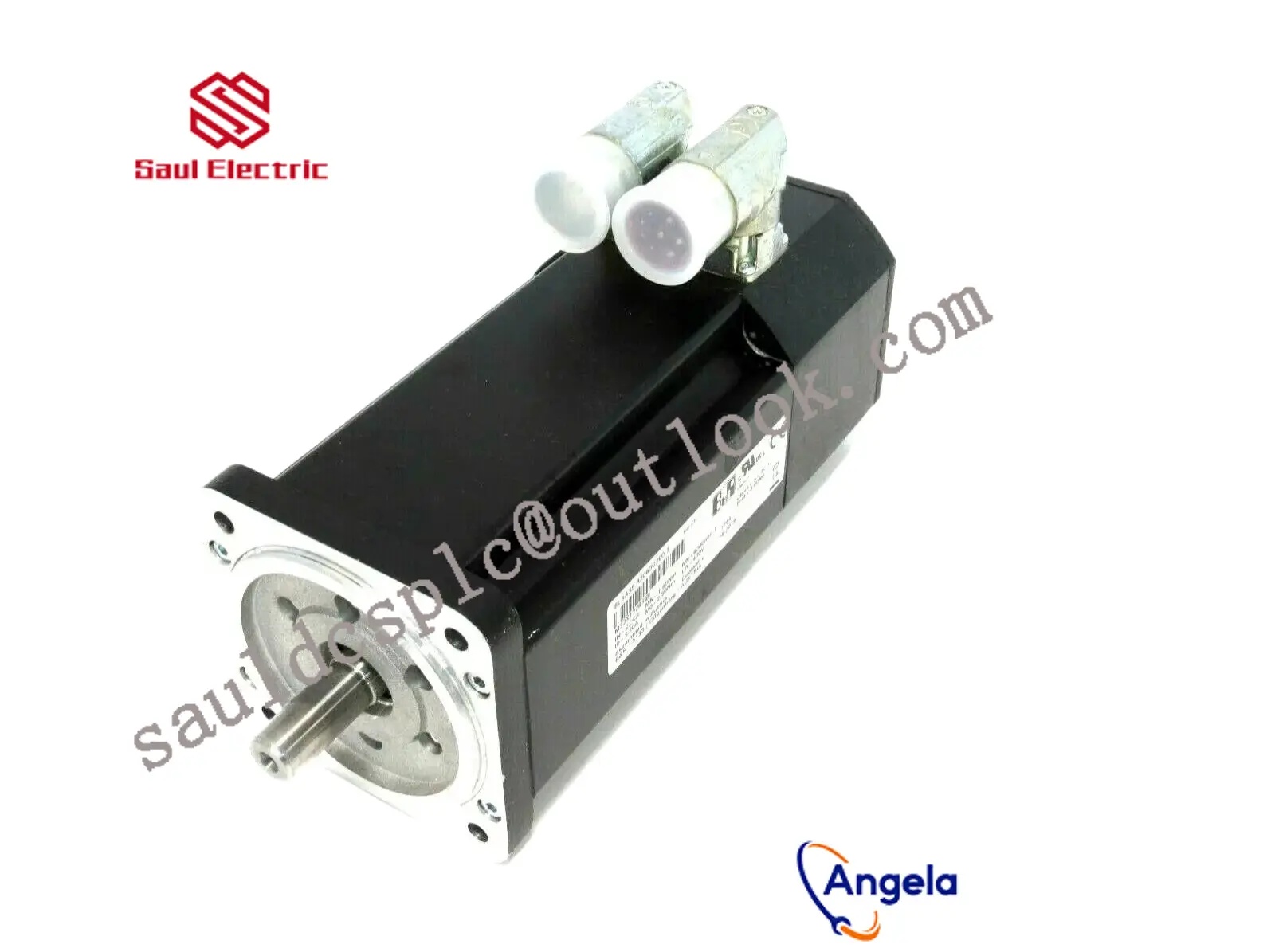
- High Performance: The 8LSA43.R0022D100-0 servo motor offers high precision, rapid response, and excellent stability, meeting the demands of various complex automation applications.
- Integrated Safety Technology: B&R”s servo motors incorporate advanced safety technologies, such as the openSAFETY standard,
- ensuring the safety of operators while supporting machine functionality. This safety technology adapts to changing configurations and operates reliably worldwide.
- Easy Management: With intelligent safety response capabilities, the 8LSA43.R0022D100-0 servo motor simplifies machine option management without compromising safety levels.
- This helps reduce downtime risks and enhance production efficiency.
- Networked Collaboration: B&R”s integrated, networked safety technology enables coordinated responses to safety events across the entire production line.
- The use of safety standards like openSAFETY ensures secure communication and interoperability between devices from different manufacturers.
- Powerful Software Support: B&R”s Automation Studio software development platform provides robust support for configuring, commissioning,
- and maintaining servo motors. Users can easily accomplish various automation tasks through this platform.
III. Application Areas
IV. Product Advantages
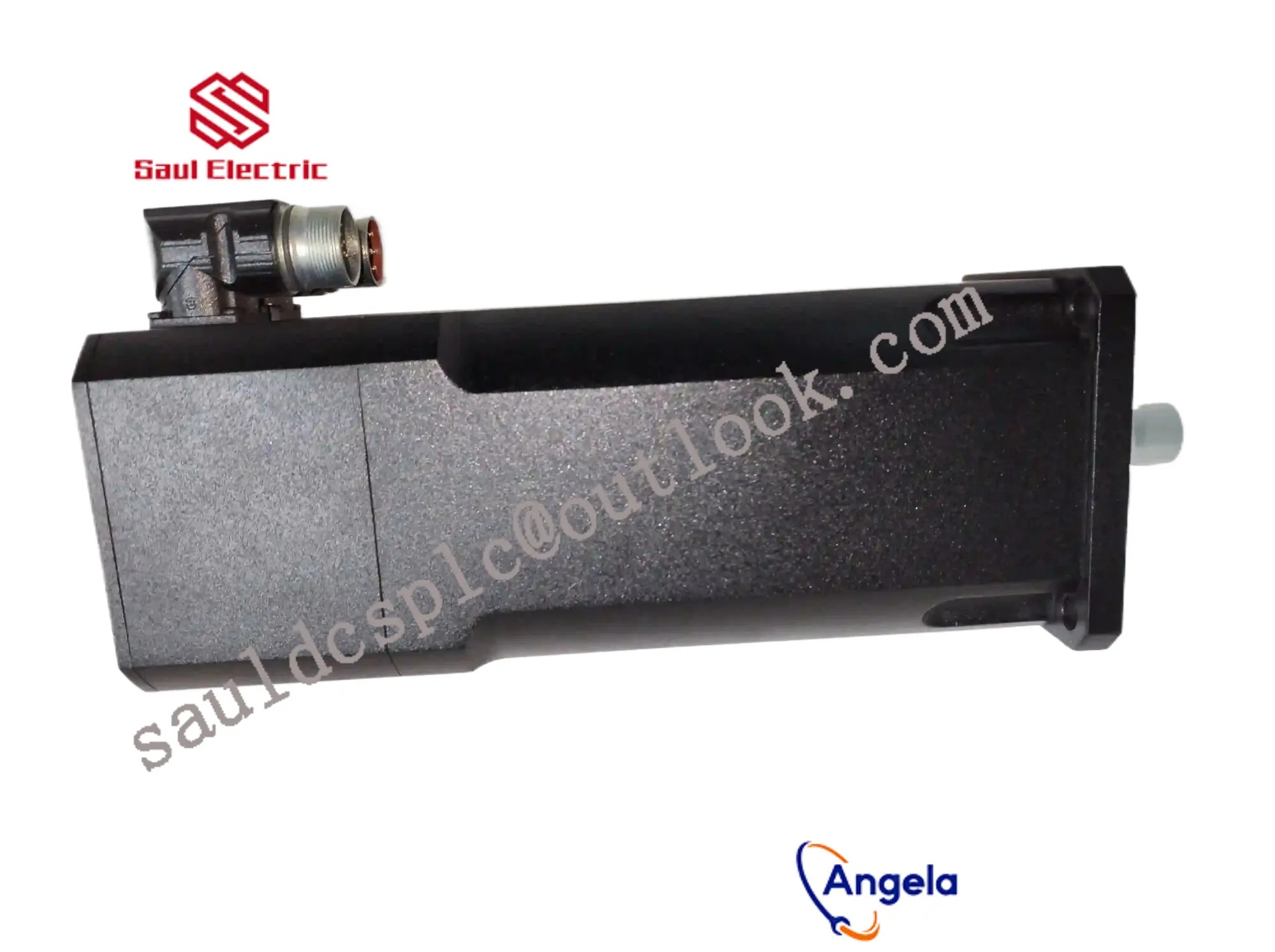
- Genuine Products: The 8LSA43.R0022D100-0 servo motor is manufactured in Austria, ensuring product quality and performance.
- Professional Services: B&R has a professional technical support and after-sales service team capable of providing timely and efficient technical support and solutions to users.
- Customization Options: B&R offers customized servo motor solutions to meet the specific needs of different users.
Why can”t ordinary motors be used as variable frequency motors? The difference between variable frequency motor and ordinary motor
There are certain differences between ordinary motors and variable frequency motors in terms of working principles, structures, and applicable scenarios, so ordinary
motors cannot be directly used as variable frequency motors. Below, we will provide a detailed analysis of the working principles, advantages and disadvantages,
and applicable scenarios of both, hoping to meet your requirements.
1. Working principle
Ordinary motors work based on the principle of electromagnetic induction. When powered on, a torque is generated under the action of an electromagnetic field,
causing the motor to rotate. Its speed and frequency are fixed and require mechanical devices or transmissions to achieve speed regulation.
Variable frequency motor uses a frequency converter to control the power supply frequency and voltage of the motor, thereby achieving precise adjustment of the motor speed.
The frequency converter will convert the fixed frequency power supply of the power grid into adjustable frequency and voltage outputs to achieve control over the operating frequency and speed of the motor.
2. Structural differences
Ordinary motors are generally composed of stator, rotor, and casing. Among them, the stator is made up of coils, while the rotor is driven by the rotation of the motor.
The structure of ordinary motors is relatively simple and suitable for conventional work environments.
Compared to conventional motors, variable frequency motors not only include the structure of a regular motor, but also add a variable frequency converter with adjustable parameters.
Frequency converters are typically composed of rectifiers, inverters, and controllers, used to control the frequency and voltage changes of motor power supply.
This enables variable frequency motors to have higher control performance and adaptability, and can adapt to different operating environments and requirements.
3. Comparison of advantages and disadvantages
The advantages of ordinary motors lie in their simple structure, low cost, and easy maintenance. However, due to the inability to achieve speed regulation
and can only adapt to specific load characteristics, ordinary motors have limitations for applications that require frequent speed regulation.
The advantages of variable frequency motors mainly lie in the ability to flexibly adjust speed, energy saving and consumption reduction, precise control,
and convenient maintenance. It can adjust the frequency and voltage according to the requirements of the load, achieving precise control of the motor speed.
Therefore, variable frequency motors have significant advantages in wideband operation, high load starting, high-precision control, and other situations.
However, compared to ordinary motors, variable frequency motors have higher costs, complex structures, higher requirements for power quality, and require
special frequency converter support. In addition, frequency converters also introduce additional electromagnetic interference and harmonic problems, which need to be solved through equipment such as filters and isolation transformers.
4. Applicable occasions
Ordinary motors are suitable for some common loads, such as fans, water pumps, conveyor belts, etc. Speed regulation can be achieved through mechanical
devices such as transmissions and clutches, but the adjustment range is narrow and the accuracy is not high.
Variable frequency motors are suitable for loads that require precise speed control, such as machine tools, elevators, textile machinery, etc. It can adjust the speed according to the
load characteristics, achieving higher control accuracy and efficiency. In some special work environments, such as those that require frequent variable resistance and frequency conversion, variable frequency motors can better meet the needs.
In summary, there are differences between ordinary motors and variable frequency motors in terms of working principles, structures, advantages and disadvantages, and applicable scenarios.
Ordinary motors are suitable for loads that do not require frequent speed regulation, while variable frequency motors are suitable for loads that require precise speed control. In practical applications,
it is important to choose the appropriate type of motor to meet different work requirements.