


Description
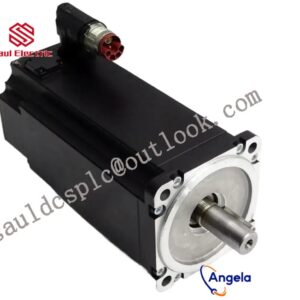
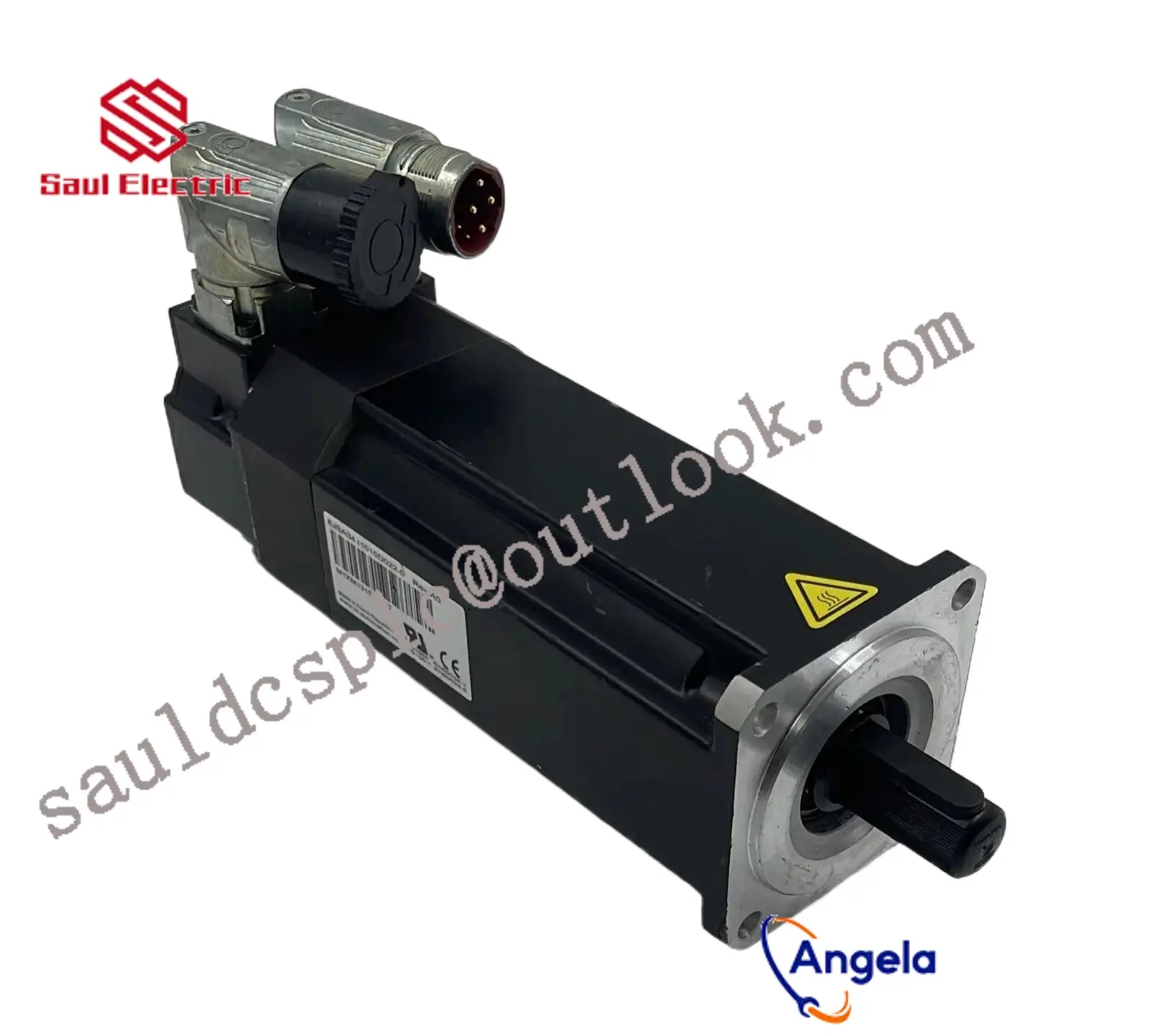
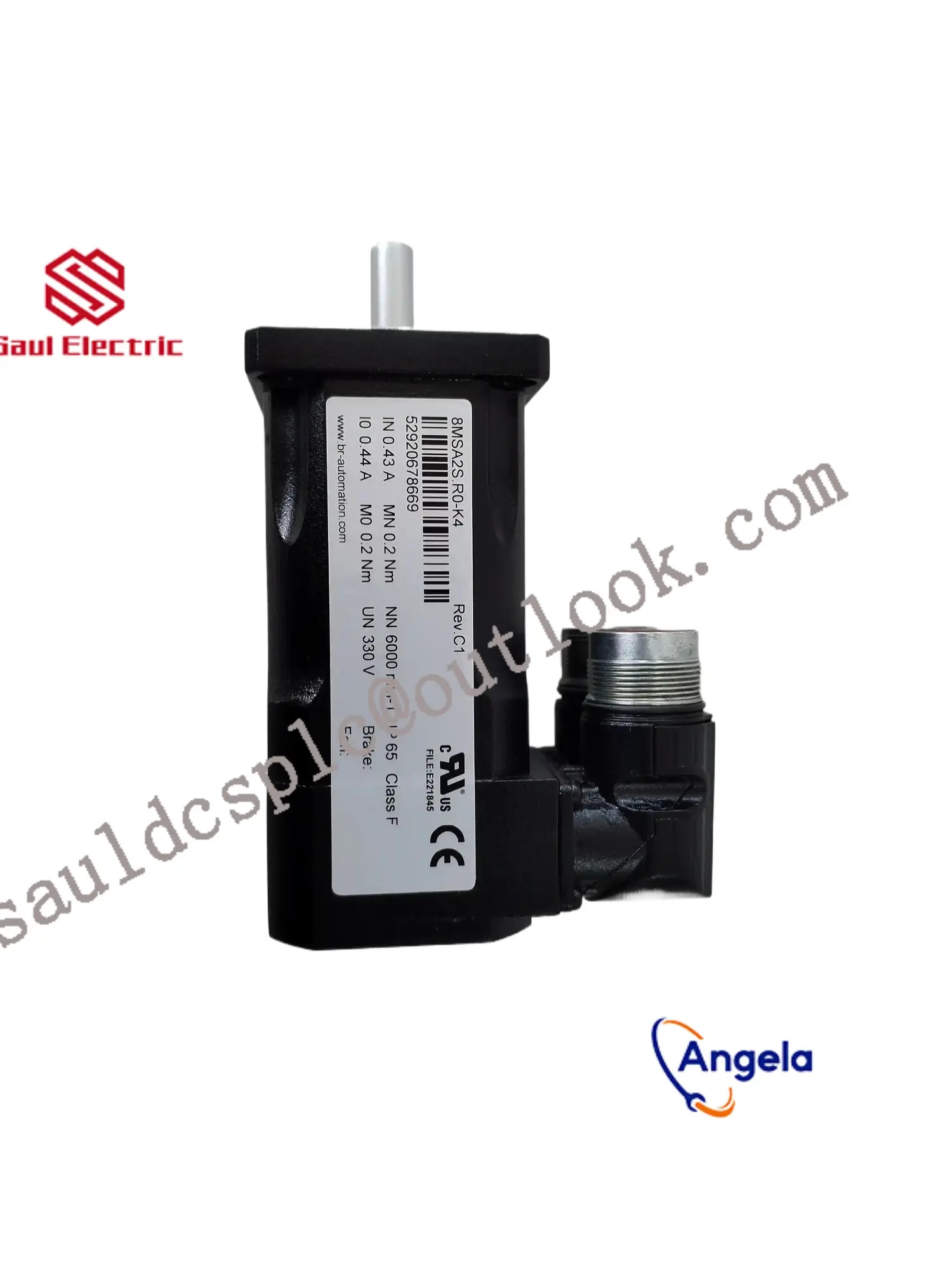
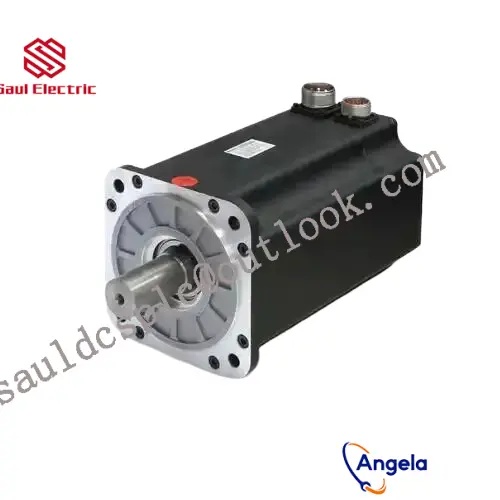
8LSA36.E0030D000-3 is a servo motor from B&R (Bernecker + Rainer), an innovative automation enterprise headquartered in Austria.
B&R 8LSA36.E0030D000-3 Working principle of servo motor
Below is a detailed introduction to this product:
I. Brand Background
B&R is an innovative automation enterprise based in Austria, with branches worldwide. In 2017, B&R became the Machine Automation Division of the ABB Group,
further solidifying its leading position in the industrial automation sector. B&R is committed to integrating cutting-edge technology with
engineering practice to provide complete solutions for machine and factory automation, motion control, HMI (Human-Machine Interface), and integrated safety technology to customers in virtually every industry.
II. Product Features
- High Performance: The 8LSA36.E0030D000-3 servo motor offers high precision, rapid response, and excellent stability, meeting the demands of various complex automation applications.
- Integrated Safety Technology: B&R”s servo motors incorporate advanced safety technologies, such as the openSAFETY standard,
- ensuring the safety of operators while supporting machine functionality. This safety technology adapts to changing configurations and operates reliably worldwide.
- Easy Management: With intelligent safety response capabilities, the 8LSA36.E0030D000-3 servo motor simplifies machine option management without compromising safety levels.
- This helps reduce downtime risks and enhance production efficiency.
- Networked Collaboration: B&R”s integrated, networked safety technology enables coordinated responses to safety events across the entire production line.
- The use of safety standards like openSAFETY ensures secure communication and interoperability between devices from different manufacturers.
- Powerful Software Support: B&R”s Automation Studio software development platform provides robust support for configuring, commissioning,
- and maintaining servo motors. Users can easily accomplish various automation tasks through this platform.
III. Application Areas
The 8LSA36.E0030D000-3 servo motor is widely used in various industrial automation fields, such as packaging machinery, printing machinery,
textile machinery, and robotics. Its high performance and reliability make it an ideal choice for various automation equipment.
IV. Product Advantages
- Genuine Products: The 8LSA36.E0030D000-3 servo motor is manufactured in Austria, ensuring product quality and performance.
- Professional Services: B&R has a professional technical support and after-sales service team capable of providing timely and efficient technical support and solutions to users.
- Customization Options: B&R offers customized servo motor solutions to meet the specific needs of different users.
8LSA36.E0030D000-3 PDF
8LSA36.E0030D000-3 weight:8.8KG
Stepper motors generally do not have overload capacity. AC servo motors have strong overload capacity. Taking Panasonic AC servo system as an example,
it has the ability to handle speed overload and torque overload. Its maximum torque is three times the rated torque and can be used to overcome the inertia moment of the i
nertial load at the moment of starting. Stepper motors do not have this overload capacity. In order to overcome this inertia torque during selection, it is often necessary to
choose motors with larger torque. However, machines do not require such large torque during normal operation, resulting in torque waste.
Different operational performance
The control of stepper motors is open-loop control. If the starting frequency is too high or the load is too large, it is easy to cause step loss or stalling. If the speed is too
high when stopping, it is easy to cause overshoot. Therefore, in order to ensure its control accuracy, the problem of speed increase and decrease should be handled well.
The AC servo drive system is a closed-loop control system, and the driver can directly sample the feedback signal of the motor encoder.
The internal structure consists of a position loop and a speed loop, and
generally does not cause step loss or overshoot of the stepper motor, making the control performance more reliable.
Different speed response performance
It takes 200-400 milliseconds for a stepper motor to accelerate from rest to operating speed (usually a few hundred revolutions per minute). The acceleration performance of the
AC servo system is good. Taking Panasonic MSMA 400W AC servo motor as an example, it only takes a few milliseconds to accelerate from static to its rated speed of
3000RPM, which can be used in control situations that require fast start stop.
In summary, AC servo systems outperform stepper motors in many performance aspects. But in some situations where the requirements are not high, stepper motors
are often used as executive motors. Therefore, in the design process of the control system, it is necessary to comprehensively consider various factors such as control
requirements and costs, and select appropriate control motors.
A stepper motor is an actuator that converts electrical pulses into angular displacement. Simply put, when a stepper driver receives a pulse signal, it drives the stepper
motor to rotate a fixed angle (and step angle) in the set direction.
You can control the angular displacement by controlling the number of pulses to achieve accurate positioning; At the same time, you can control the speed and acceleration
of the motor rotation by controlling the pulse frequency, thus achieving the purpose of speed regulation.
There are three types of stepper motors: permanent magnet (PM), reactive (VR), and hybrid (HB)
Permanent magnet stepping is generally two-phase, with small torque and volume, and a stepping angle of generally 7.5 degrees or 15 degrees;
Reactive stepping is generally three-phase and can achieve high torque output. The stepping angle is generally 1.5 degrees, but the noise and vibration are both significant.
In developed countries such as Europe and America, it was already eliminated in the 1980s;
Hybrid stepping refers to the combination of the advantages of permanent magnet and reactive methods. It is divided into two phases and five phases: the two-phase step
angle is generally 1.8 degrees, while the five phase step angle is generally 0.72 degrees. This type of stepper motor is most widely used.
it has the ability to handle speed overload and torque overload. Its maximum torque is three times the rated torque and can be used to overcome the inertia moment of the i
nertial load at the moment of starting. Stepper motors do not have this overload capacity. In order to overcome this inertia torque during selection, it is often necessary to
choose motors with larger torque. However, machines do not require such large torque during normal operation, resulting in torque waste.
Different operational performance
The control of stepper motors is open-loop control. If the starting frequency is too high or the load is too large, it is easy to cause step loss or stalling. If the speed is too
high when stopping, it is easy to cause overshoot. Therefore, in order to ensure its control accuracy, the problem of speed increase and decrease should be handled well.
The AC servo drive system is a closed-loop control system, and the driver can directly sample the feedback signal of the motor encoder.
The internal structure consists of a position loop and a speed loop, and
generally does not cause step loss or overshoot of the stepper motor, making the control performance more reliable.
Different speed response performance
It takes 200-400 milliseconds for a stepper motor to accelerate from rest to operating speed (usually a few hundred revolutions per minute). The acceleration performance of the
AC servo system is good. Taking Panasonic MSMA 400W AC servo motor as an example, it only takes a few milliseconds to accelerate from static to its rated speed of
3000RPM, which can be used in control situations that require fast start stop.
In summary, AC servo systems outperform stepper motors in many performance aspects. But in some situations where the requirements are not high, stepper motors
are often used as executive motors. Therefore, in the design process of the control system, it is necessary to comprehensively consider various factors such as control
requirements and costs, and select appropriate control motors.
A stepper motor is an actuator that converts electrical pulses into angular displacement. Simply put, when a stepper driver receives a pulse signal, it drives the stepper
motor to rotate a fixed angle (and step angle) in the set direction.
You can control the angular displacement by controlling the number of pulses to achieve accurate positioning; At the same time, you can control the speed and acceleration
of the motor rotation by controlling the pulse frequency, thus achieving the purpose of speed regulation.
There are three types of stepper motors: permanent magnet (PM), reactive (VR), and hybrid (HB)
Permanent magnet stepping is generally two-phase, with small torque and volume, and a stepping angle of generally 7.5 degrees or 15 degrees;
Reactive stepping is generally three-phase and can achieve high torque output. The stepping angle is generally 1.5 degrees, but the noise and vibration are both significant.
In developed countries such as Europe and America, it was already eliminated in the 1980s;
Hybrid stepping refers to the combination of the advantages of permanent magnet and reactive methods. It is divided into two phases and five phases: the two-phase step
angle is generally 1.8 degrees, while the five phase step angle is generally 0.72 degrees. This type of stepper motor is most widely used.