


Description
I. Brand Background
II. Product Features
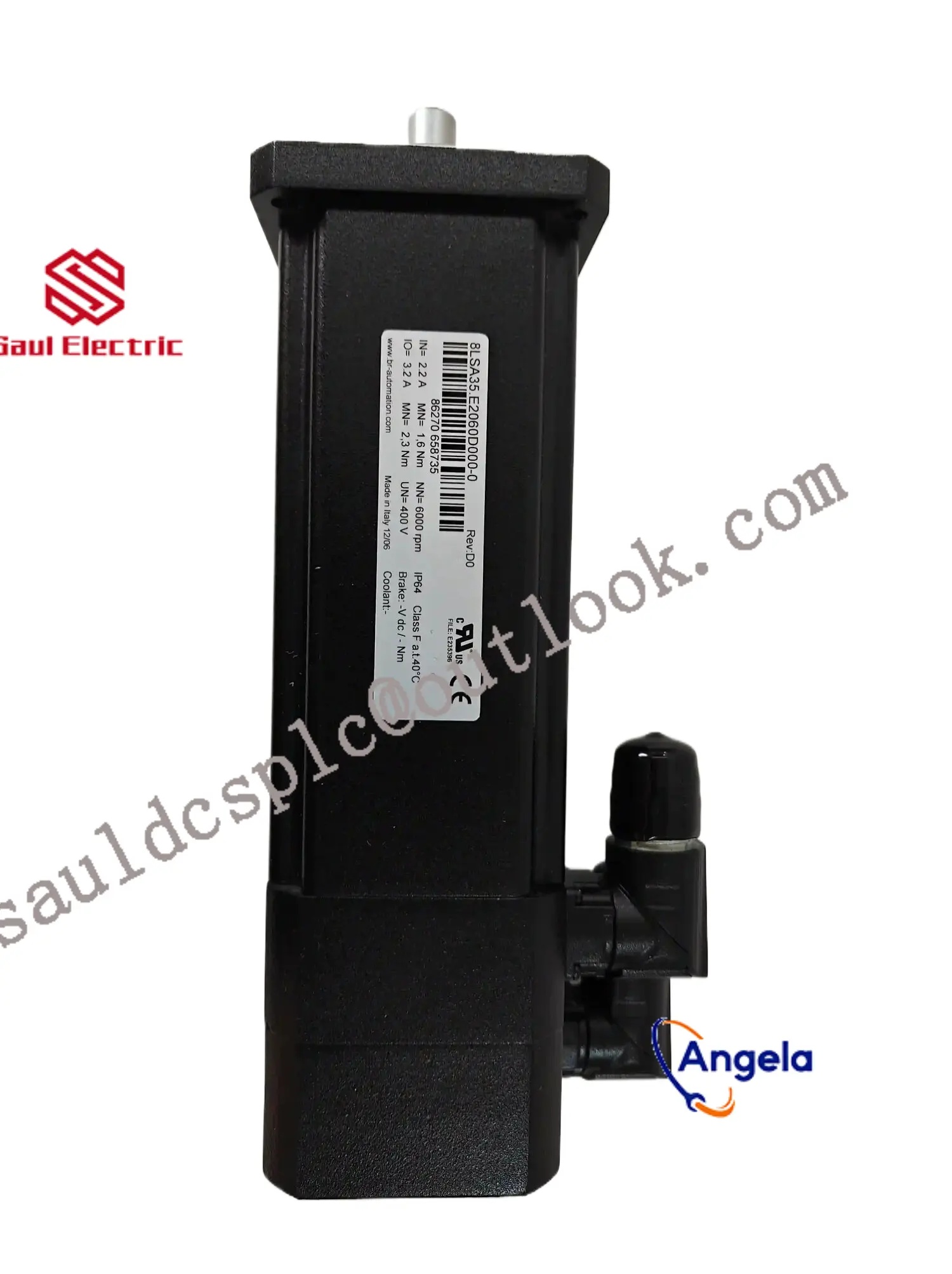
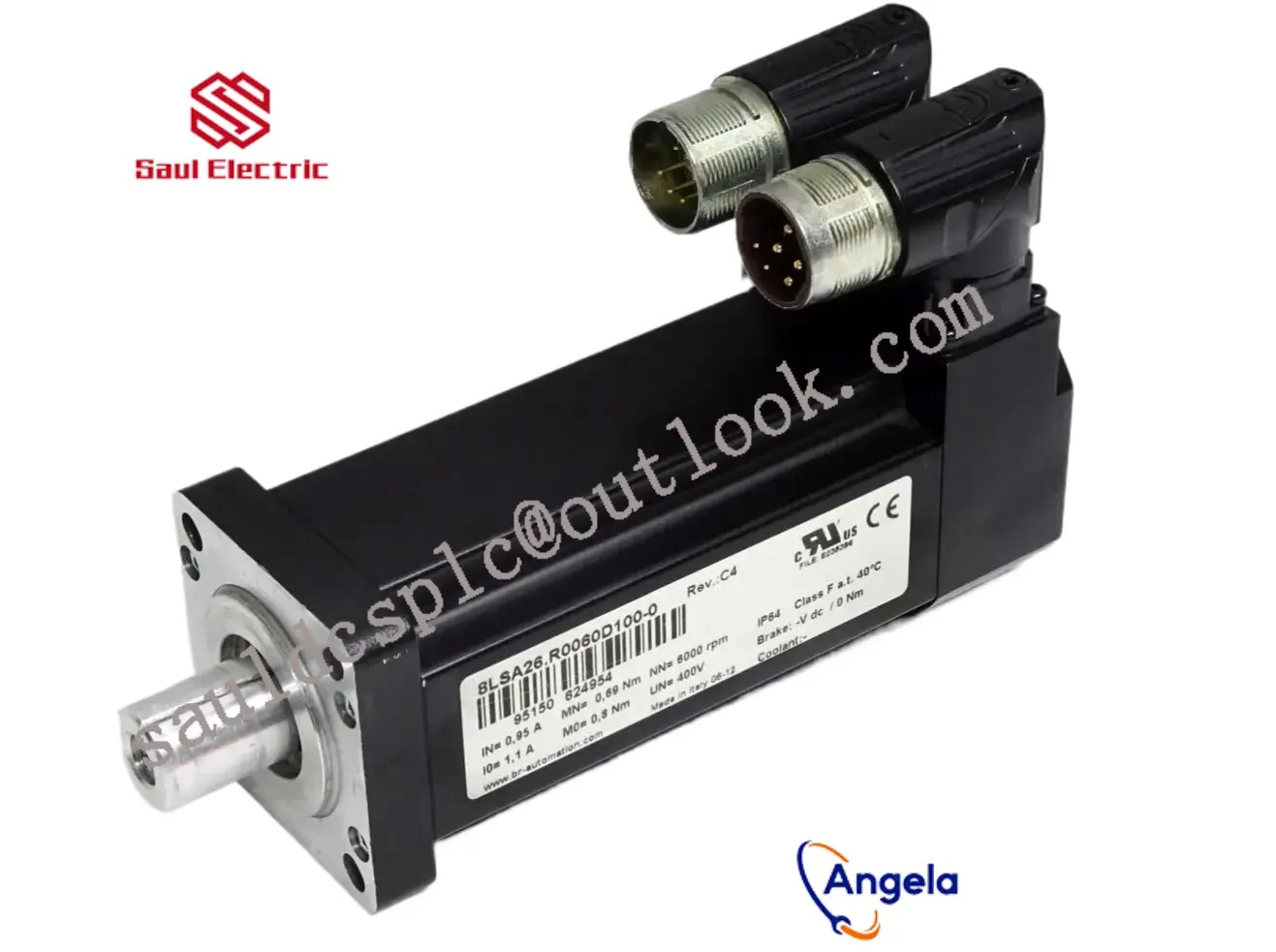
- High Performance: The 8LSA34.E3030D000-0 servo motor offers high precision, rapid response, and excellent stability, meeting the demands of various complex automation applications.
- Integrated Safety Technology: B&R”s servo motors incorporate advanced safety technologies, such as the openSAFETY standard,
- ensuring the safety of operators while supporting machine functionality. This safety technology adapts to changing configurations and operates reliably worldwide.
- Easy Management: With intelligent safety response capabilities, the 8LSA34.E3030D000-0 servo motor simplifies machine option management without compromising safety levels.
- This helps reduce downtime risks and enhance production efficiency.
- Networked Collaboration: B&R”s integrated, networked safety technology enables coordinated responses to safety events across the entire production line.
- The use of safety standards like openSAFETY ensures secure communication and interoperability between devices from different manufacturers.
- Powerful Software Support: B&R”s Automation Studio software development platform provides robust support for configuring, commissioning,
- and maintaining servo motors. Users can easily accomplish various automation tasks through this platform.
III. Application Areas
IV. Product Advantages
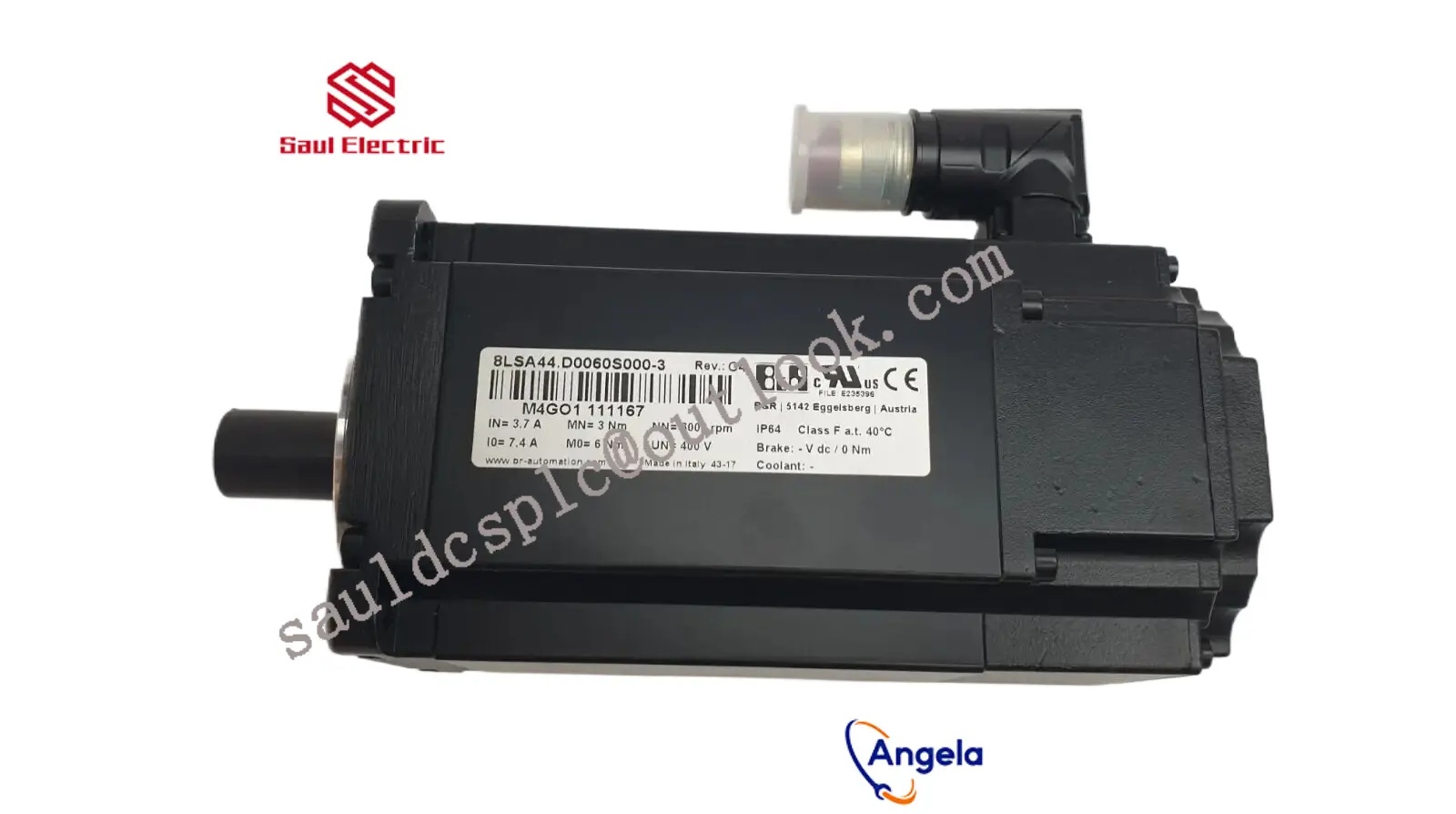
- Genuine Products: The 8LSA34.E3030D000-0 servo motor is manufactured in Austria, ensuring product quality and performance.
- Professional Services: B&R has a professional technical support and after-sales service team capable of providing timely and efficient technical support and solutions to users.
- Customization Options: B&R offers customized servo motor solutions to meet the specific needs of different users.
What is the difference between servo motors and stepper motors? A servo motor is an engine that controls the operation of mechanical components
in a servo system. A stepper motor is an electric motor that converts electrical pulse signals into corresponding angular or linear displacements.
Two types of devices have a wide range of applications in industrial automation control.
1. The low-frequency characteristics of servo motors and stepper motors are different
The servo motor does not experience vibration at low speeds and operates very smoothly; Stepper motors are prone to low-frequency vibration at low speeds.
2. The overload capacity of servo motors and stepper motors is different
Servo motors have strong overload capacity; Stepper motors generally do not have overload capacity.
3. The low workflow of servo motors and stepper motors is different
The working process of a servo motor is to connect a power switch and then connect the servo motor;
The working process of stepper motors generally requires signal pulses and directional pulses.
4. The performance of servo motors and stepper motors is different
The servo motor adopts closed-loop control, which will not cause step loss or overshoot;
The stepper motor is controlled in an open-loop manner, which can easily lead to step loss or overshoot.