


Description
I. Brand Background
II. Product Features
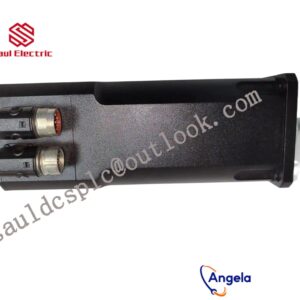
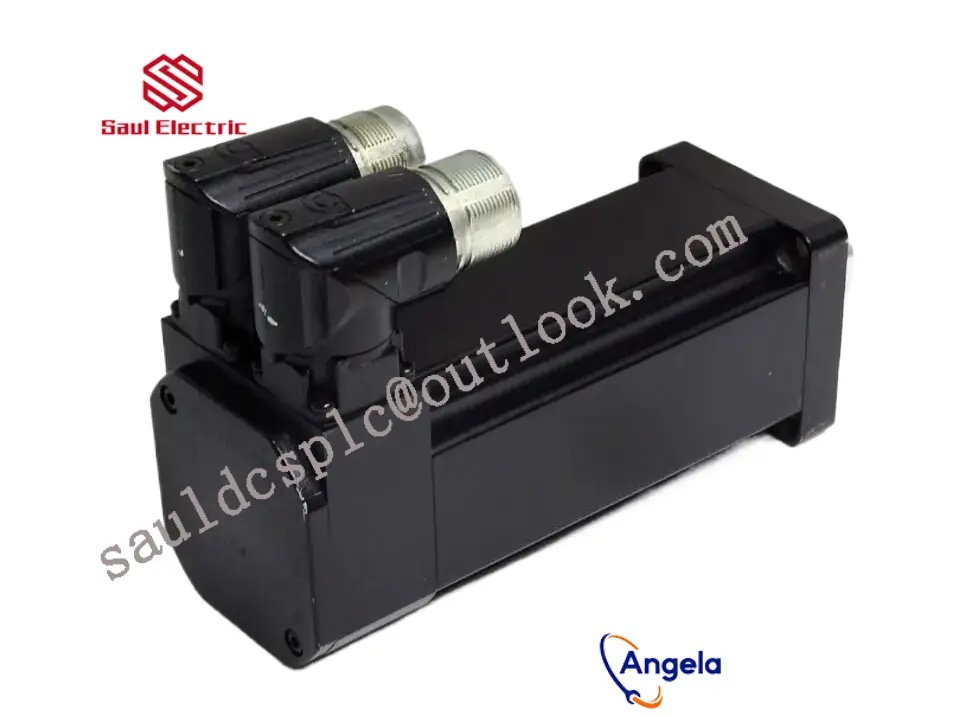
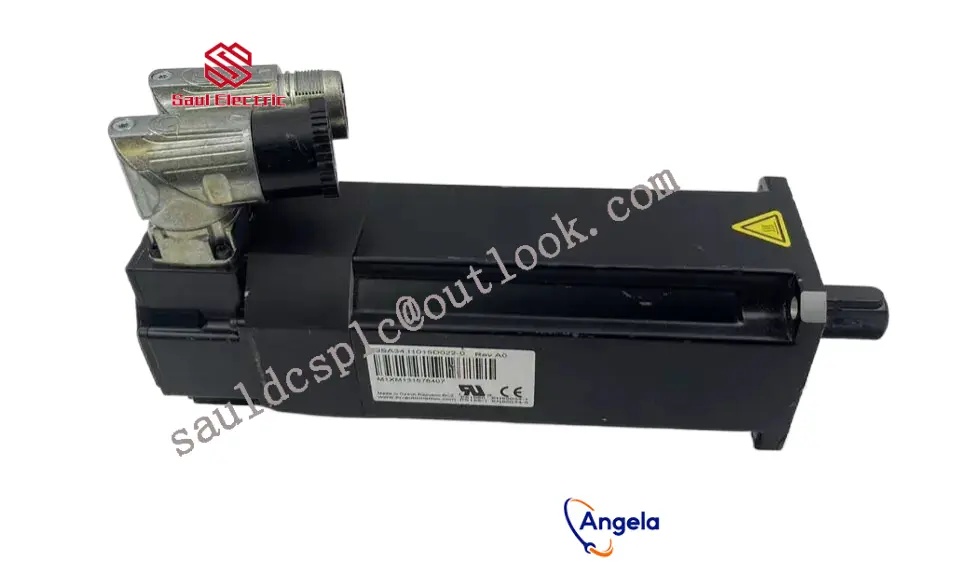
- High Performance: The 8GP30-0MPH4-00003 servo motor offers high precision, rapid response, and excellent stability, meeting the demands of various complex automation applications.
- Integrated Safety Technology: B&R”s servo motors incorporate advanced safety technologies, such as the openSAFETY standard,
- ensuring the safety of operators while supporting machine functionality. This safety technology adapts to changing configurations and operates reliably worldwide.
- Easy Management: With intelligent safety response capabilities, the 8GP30-0MPH4-00003 servo motor simplifies machine option management without compromising safety levels.
- This helps reduce downtime risks and enhance production efficiency.
- Networked Collaboration: B&R”s integrated, networked safety technology enables coordinated responses to safety events across the entire production line.
- The use of safety standards like openSAFETY ensures secure communication and interoperability between devices from different manufacturers.
- Powerful Software Support: B&R”s Automation Studio software development platform provides robust support for configuring, commissioning,
- and maintaining servo motors. Users can easily accomplish various automation tasks through this platform.
III. Application Areas
IV. Product Advantages
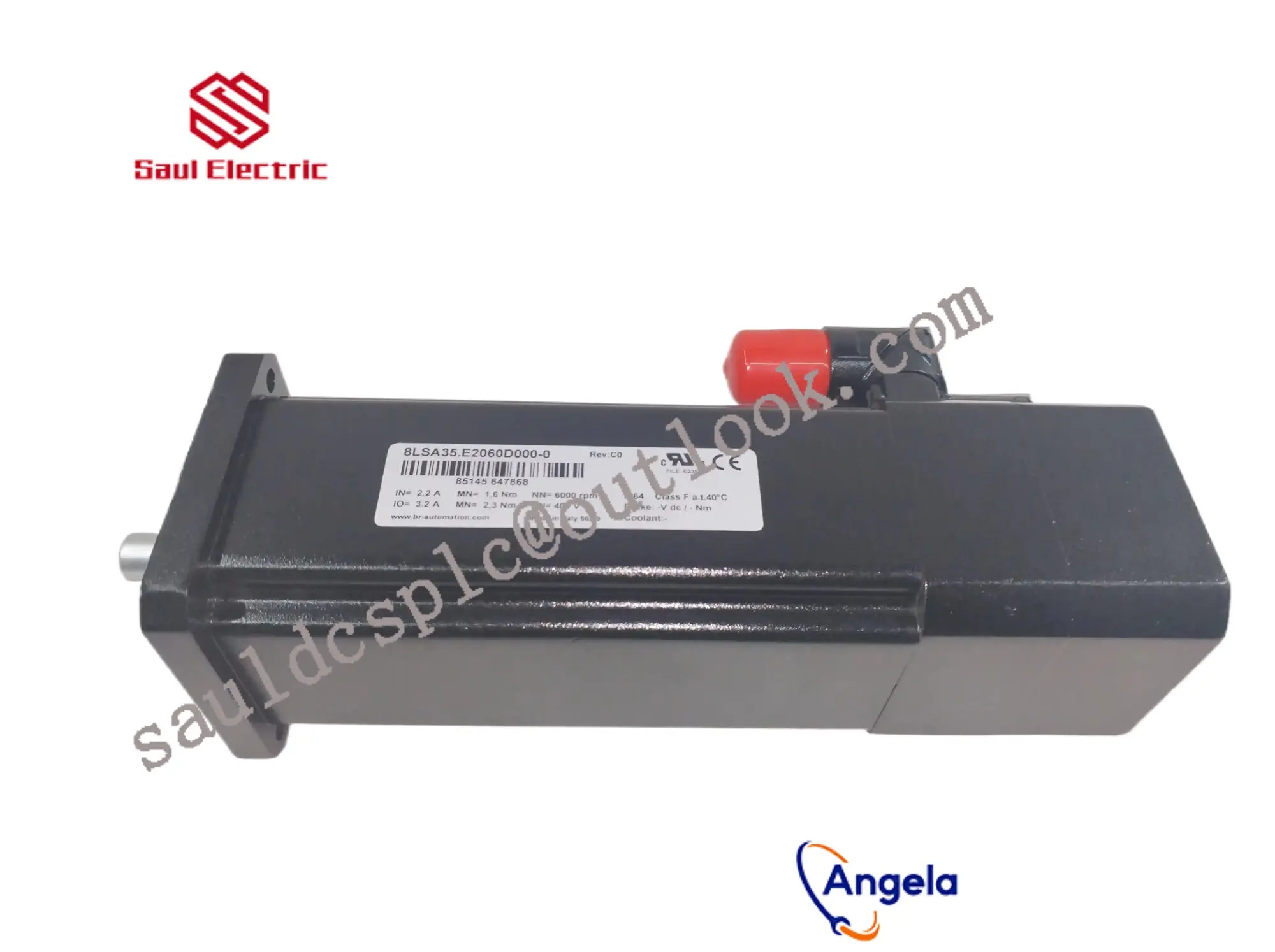
- Genuine Products: The 8GP30-0MPH4-00003 servo motor is manufactured in Austria, ensuring product quality and performance.
- Professional Services: B&R has a professional technical support and after-sales service team capable of providing timely and efficient technical support and solutions to users.
- Customization Options: B&R offers customized servo motor solutions to meet the specific needs of different users.
An electric motor is a device that converts electrical energy into mechanical energy. It generates torque and rotational motion through the interaction of currents
in a magnetic field. Electric motors are key components widely used in various devices and machinery, such as household appliances, industrial machinery,
transportation vehicles, aerospace equipment, etc. According to different principles and purposes, there are many types of motors, such as DC motors, AC motors, stepper motors, brushless motors, etc.
The working principle of a motor is based on the interaction between electromagnetic induction and current, and its basic principle can be summarized as the following steps:
1. In the motor, the power supply provides current to the stator, causing the coils inside the stator to form a magnetic field.
2. The interaction between the stator magnetic field and the coils inside the rotor generates a torque.
3. The rotor begins to rotate, and this rotational motion can be transmitted to mechanical devices such as wheels, fans, pumps, etc.
4. When the rotor rotates, current is also generated in the coils inside the rotor, which generates a magnetic field.
5. This magnetic field will interact with the magnetic field inside the stator, thereby changing the magnitude and direction of the torque.
The working principle of the motor is based on this interaction and feedback process, which continuously changes the current and magnetic field to
enable the rotor to rotate continuously. The working principles of different types of motors vary, but they are all based on this fundamental principle of electromagnetic induction and interaction.
Electric motors are usually composed of power supply, stator, rotor, and transmission mechanism, where the stator and rotor are respectively wrapped in a housing and bearings.
1. Stator: The stator is a fixed part of the motor, usually composed of an iron core and coils. The coils arranged in a circular or planar shape in the stator are commonly referred to as stator coils.
2. Rotor: The rotor is the rotating part of a motor, usually composed of an iron core and coils. The rotor coil can be made of conductors such as copper,
aluminum, etc., and is usually referred to as a rotor coil. The motion of a rotor can generate mechanical energy, such as a rotating shaft.
3. Bearings: Bearings support the rotor and maintain its stability during rotation.
4. Shell: The shell wraps around the stator and rotor, providing protection and fixation.
5. Transmission mechanism: In some motor applications, the transmission mechanism is used to transmit the motion of the motor to mechanical devices such as tires, fan blades, etc.
The structure of different types of motors also varies, for example, the structure of DC motors and AC motors is different. However, the basic structure of a motor includes the above-mentioned parts.