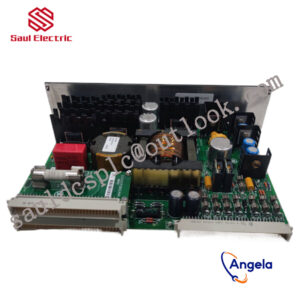



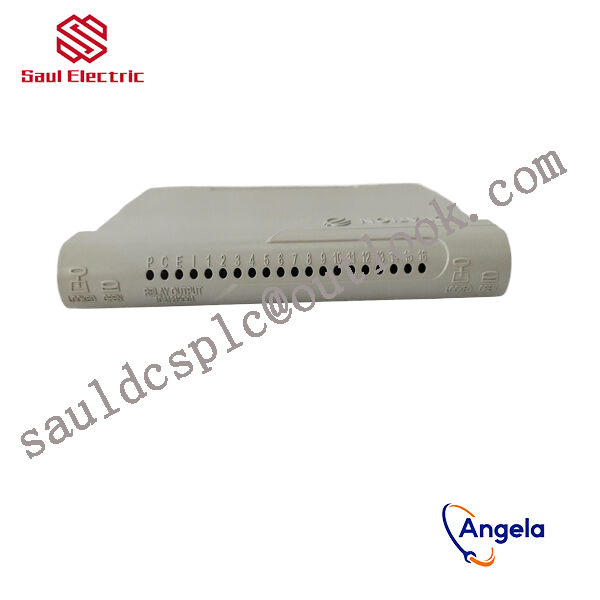
Description
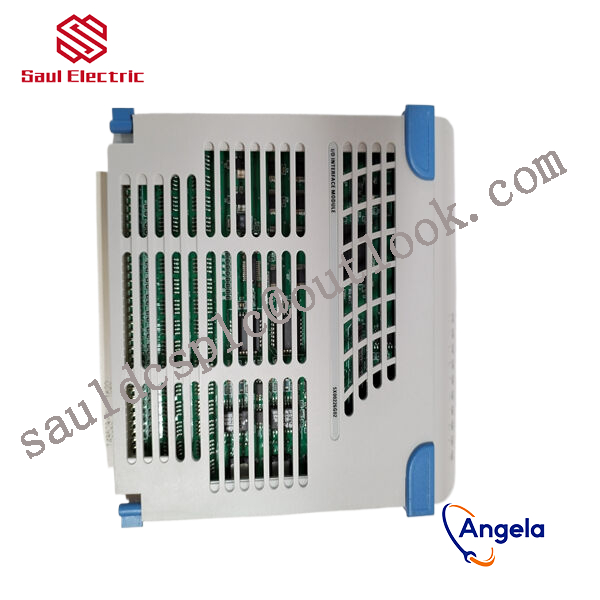
5X00109G02 Emerson Ovation Electromagnetic Output
thereby controlling external devices or circuits.
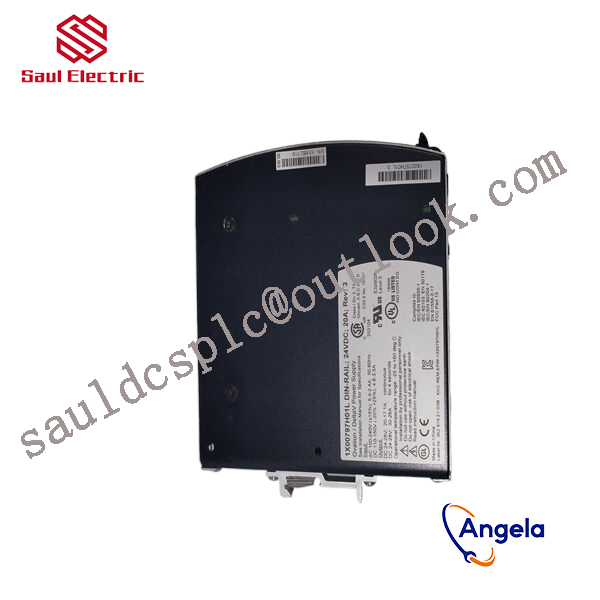
PID controllers are widely used in industrial automation control systems, electronic equipment control, robotics technology, and other fields. In temperature control systems, PID controllers accurately measure the difference between the controlled temperature and the desired temperature, adjust the output of heating or cooling equipment, and stabilize the controlled temperature near the desired value. In robot technology, PID controllers are commonly used for position control. By measuring the difference between the actual position of the robot and the expected position, the actuator output of the robot is adjusted to achieve precise position control. In addition, PID controllers are widely used in fields such as motor control and flow control.
control characteristics
The PID controller has adaptive capability and can dynamically adjust control parameters according to actual situations. It can respond quickly in a stable state and resist external disturbances and system changes. In addition, PID controllers also have the characteristics of precise control and high stability, which can achieve precise control of the system.
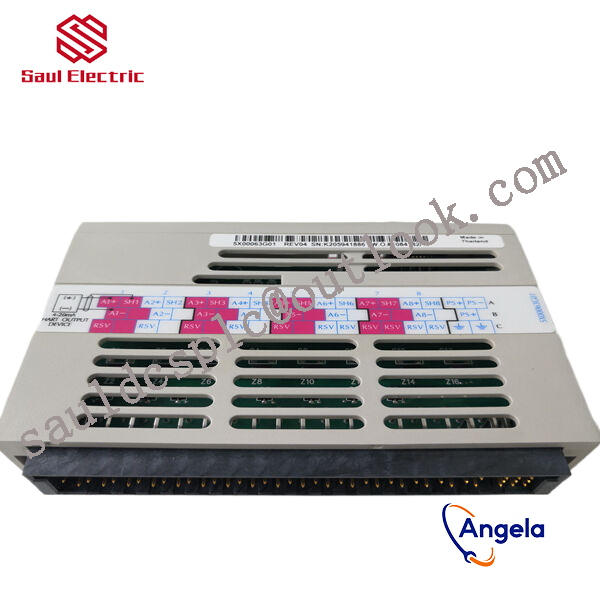
responsible for processing signals from on-site sensors or driving actuator actions. For example, they may need to cooperate with devices such
as BANNER travel switch T30UIPB to receive their transmitted position signals; Or by controlling components such as Burkert solenoid valve 00131421, the on/off of fluid media can be precisely managed.
these modules integrate more complex logic processing capabilities. The core task of a pressure switch is to detect whether the pressure
has reached a preset threshold and output a switch signal. Its function is highly specific and fixed. And modules 5X00109G02 and 1
C31219G01 have the ability to comprehensively judge multiple such switch signals and transmitter signals (such as transmitter 1066-P-HT-60),
and output complex control instructions according to internal logic.