


Description
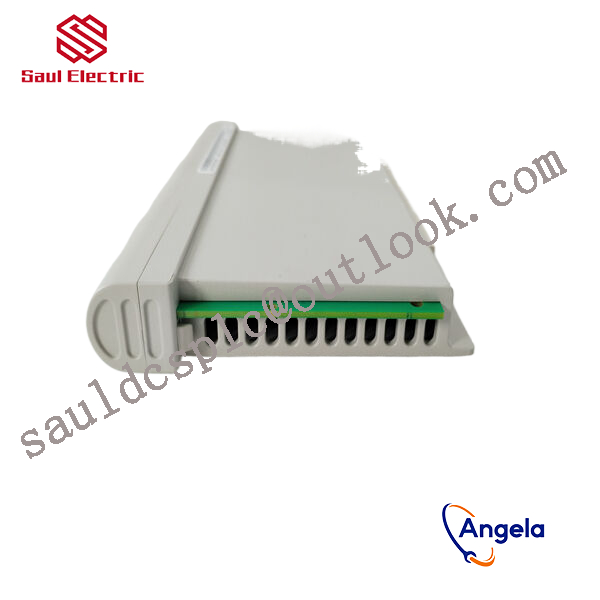
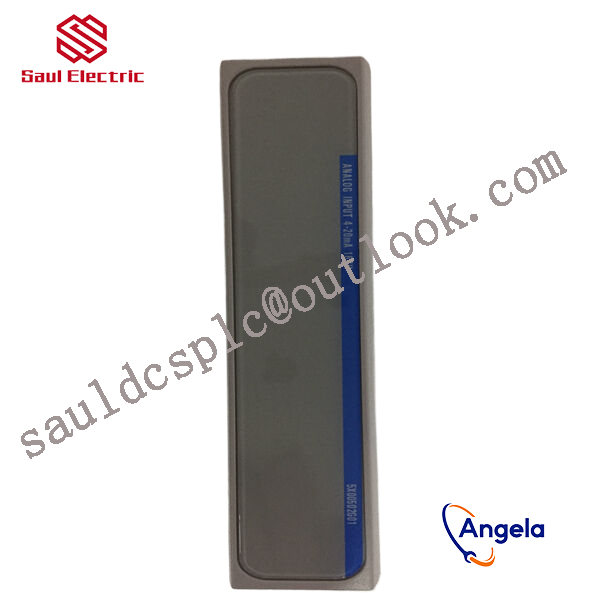
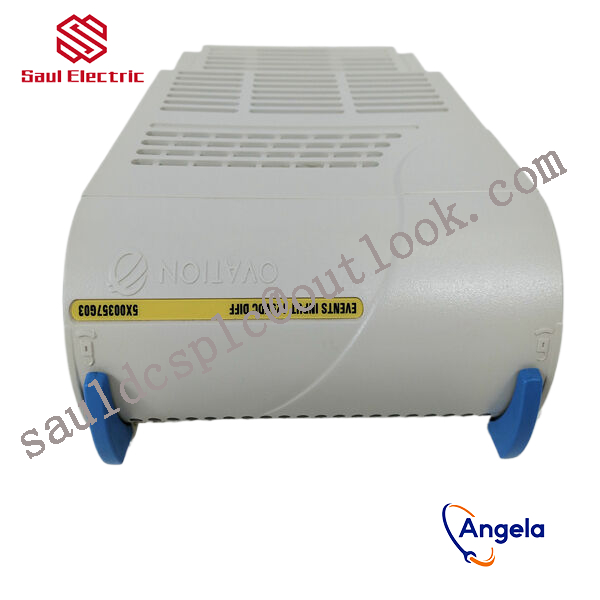
1X01046H01L New Emerson Ovation DCS Card
thereby controlling external devices or circuits.
PID controller, also known as Proportional Integral Derivative Controller, is an extremely important control algorithm in the field of industrial control. It consists of three basic parts: proportional unit (P), integral unit (I), and differential unit (D), and precise control of the controlled object is achieved by adjusting the parameters (Kp, Ki, Kd) of these three parts.
The principle of PID controller
The core idea of PID controller is to predict the future state based on the current state (i.e. deviation) and past state (i.e. integral and derivative of deviation) of the system, and adjust the control quantity accordingly, so that the system output can quickly and accurately track the set value. Specifically:
Proportional (P) control: Generate corresponding control effects based on the size of the error, and the larger the error, the stronger the control effect. Proportional control can quickly respond to errors and reduce steady-state errors, but cannot eliminate steady-state errors.
Integral (I) control: Integrating errors to eliminate static errors (i.e. steady-state errors). As long as there is an error, the integral controller continuously accumulates the output control quantity until the error is zero. Excessive integration can lead to increased overshoot and even oscillation in the system.
Differential (D) control: Reflecting the trend of error changes and generating control effects in advance. Differential control can reduce overshoot, overcome oscillations, improve system stability, and accelerate the dynamic response speed of the system.
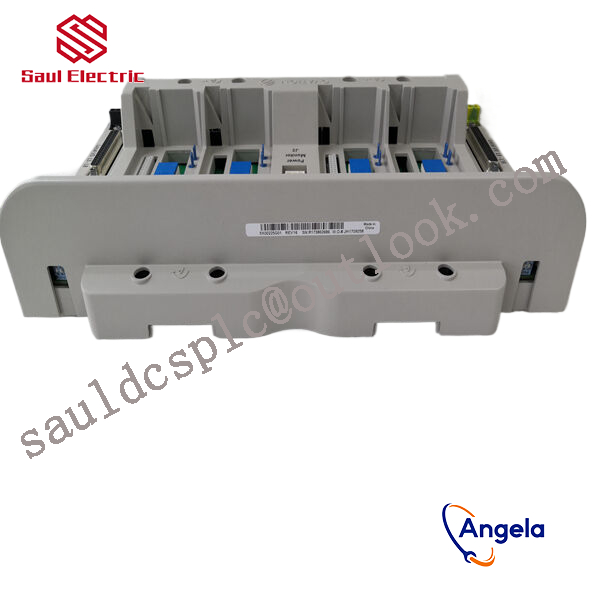
responsible for processing signals from on-site sensors or driving actuator actions. For example, they may need to cooperate with devices such
as BANNER travel switch T30UIPB to receive their transmitted position signals; Or by controlling components such as Burkert solenoid valve 00131421, the on/off of fluid media can be precisely managed.
these modules integrate more complex logic processing capabilities. The core task of a pressure switch is to detect whether the pressure
has reached a preset threshold and output a switch signal. Its function is highly specific and fixed. And modules 1X01046H01L and 1
C31219G01 have the ability to comprehensively judge multiple such switch signals and transmitter signals (such as transmitter 1066-P-HT-60),
and output complex control instructions according to internal logic.