


Description
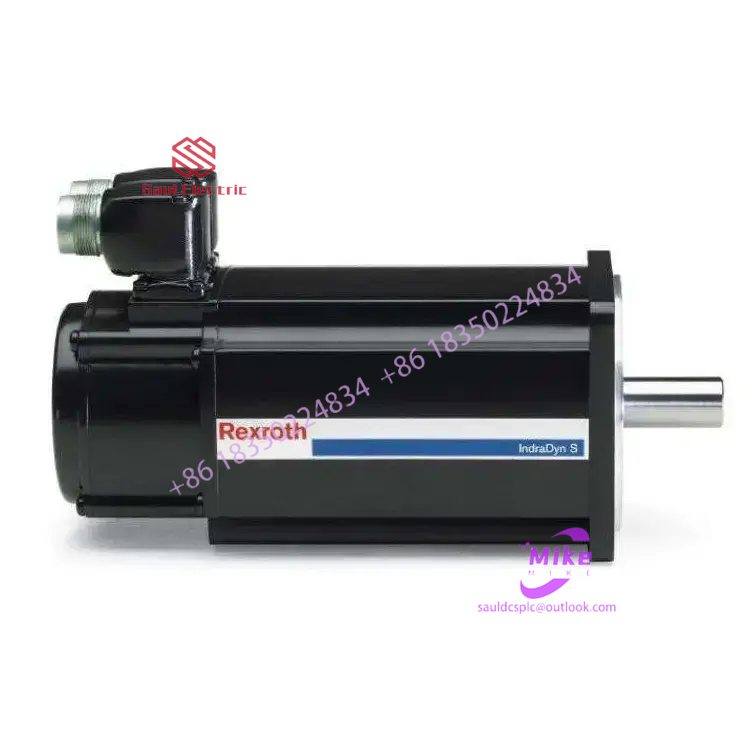
msm031c-0300-nn-m0-ch0 Rexroth”s full range of motors
Introduction to msm031c-0300-nn-m0-ch0 Motor
I. General Overview
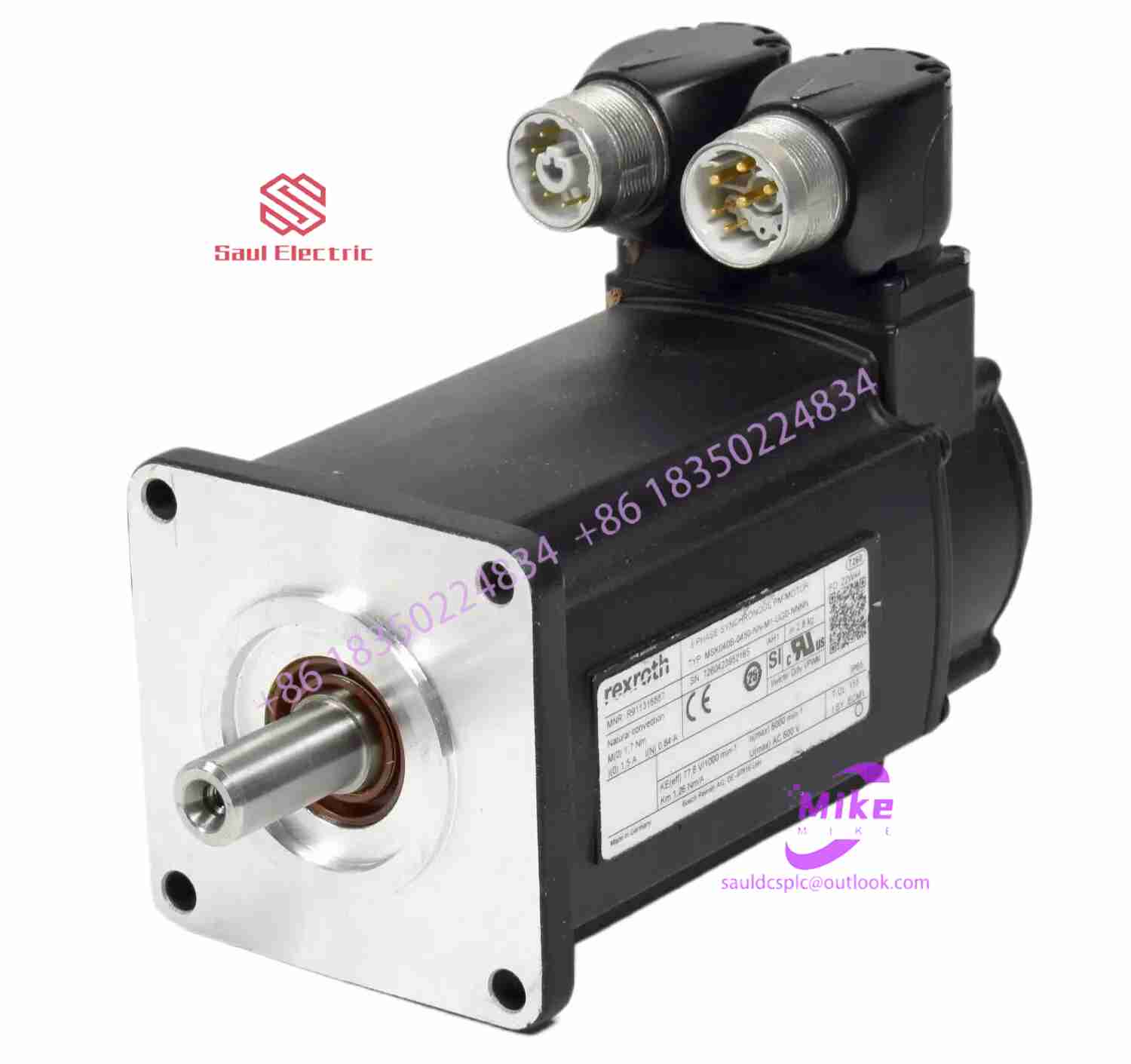
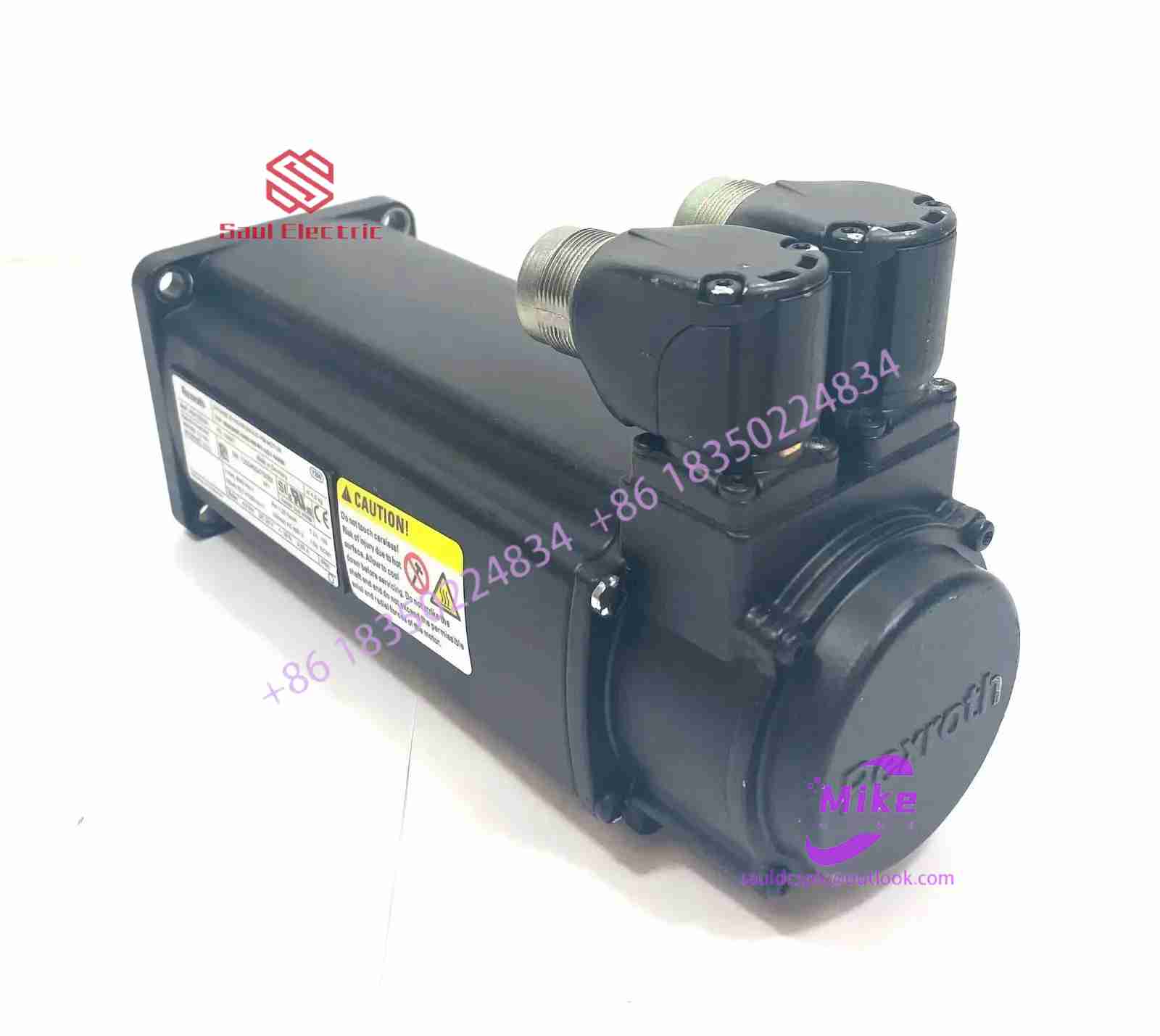
The msm031c-0300-nn-m0-ch0 is a high-performance synchronous servo motor produced by Bosch Rexroth, belonging to the IndraDyn S series. This motor is widely used in industrial automation due to its high torque, high speed, high precision, and excellent environmental adaptability.
II. Key Features
- High Torque Output:
- The maximum torque can reach 631Nm, meeting the needs of various high-load applications.
- Smooth torque output with minimal fluctuations ensures stable equipment operation.
- Wide Speed Range:
- The maximum speed can reach 9000rpm, suitable for applications requiring high-speed operation.
- A wide speed adjustment range allows for flexible adjustments based on actual needs.
- High-Precision Control:
- Equipped with a multi-turn absolute Hiperface encoder with an increment of 128, providing high-precision position feedback.
- High encoder resolution ensures precise and stable motor movement.
- Excellent Environmental Adaptability:
- High protection class, typically IP65 or above, enabling stable operation in harsh environments.
- Optional liquid cooling system available to handle heat dissipation in high-power applications.
- Compact Structure:
- The motor is designed to be compact, with a small size and light weight, facilitating easy installation and maintenance.
- Flat shaft design with shaft sealing rings prevents dust and moisture from entering the motor interior.
III. Application Scenarios
The msm031c-0300-nn-m0-ch0 motor is widely used in various industrial automation fields requiring high precision and high torque, including but not limited to:
- Robot Arms:
- Provides high torque and precise position control, ensuring flexible movement and accurate positioning of robot arms.
- Automated Production Lines:
- Used to drive various automated equipment, such as conveyors and assembly machines, improving production efficiency and product quality.
- Packaging Machinery:
- Suitable for high-speed packaging machinery, such as filling machines and sealing machines, ensuring stable and accurate packaging processes.
- Conveyor Systems:
- Used to drive conveyor belts, rollers, and other conveying equipment, enabling fast and accurate material transportation.
IV. Technical Parameters
- Rated Power: Varies depending on the specific model and application scenario, but typically meets the needs of high-load applications.
- Rated Voltage: Usually an AC voltage, with the specific value determined by the motor model and配套 (matching) drive.
- Rated Current: Determined based on the motor power and voltage, ensuring stable motor operation under rated conditions.
- Encoder Type: Multi-turn absolute Hiperface encoder, providing high-precision position feedback.
- Protection Class: Typically IP65 or above, ensuring stable motor operation in harsh environments.
- Cooling Method: Natural convection cooling or optional liquid cooling system, selected based on application scenario and power requirements.
This introduction provides a comprehensive overview of the msm031c-0300-nn-m0-ch0 motor, highlighting its key features, application scenarios, and technical parameters.
Rudder principle
A bias voltage is generated inside the circuit by a PWM wave, and the motor is driven by a gear reduction to move thepotentiometer.
When the voltage difference is zero, the motor stops, thus achieving the servo effect.
The protocol for servo PWM is the same, but the newest servos may be different.
The protocol is generally: high level width in 0.5ms ~ 2.5ms to control the servo to turn different angles.
Servo motor working principle
The principle of operation of a servo motor is relatively simple, but it works quite efficiently. The servo circuit is built into the
motor unit and uses a flexible shaft, usually equipped with a gear. Electrical signals control the motor and also determine the
amount of shaft movement. The servo motor is simple in construction: a small DC motor,control circuitand a potentiometer.
The DC motor is connected to the control wheel via a gear, and when the motor rotates, the resistance of the potentiometer changes,
allowing the control circuit to precisely regulate the motion and direction.