


Description
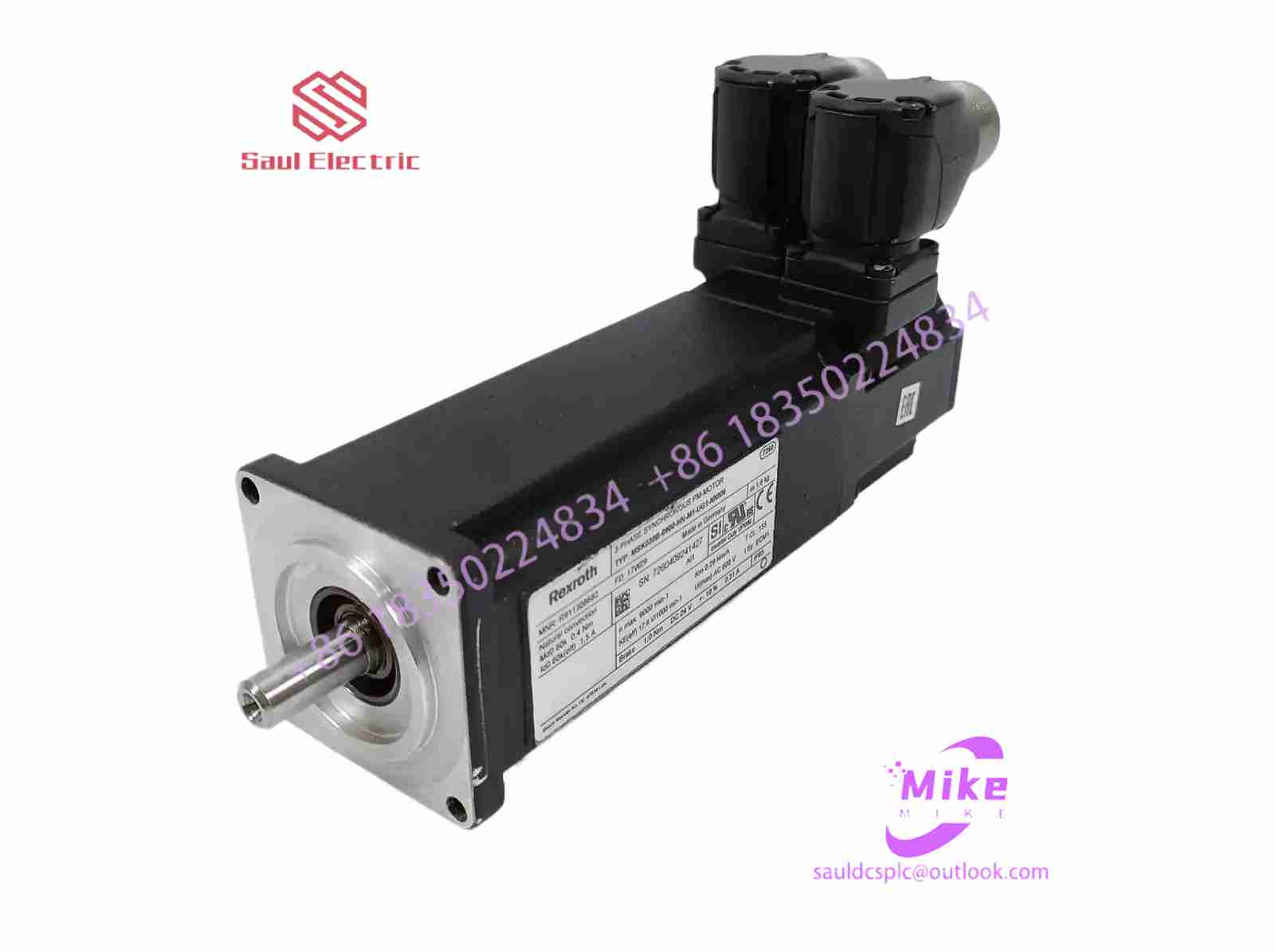
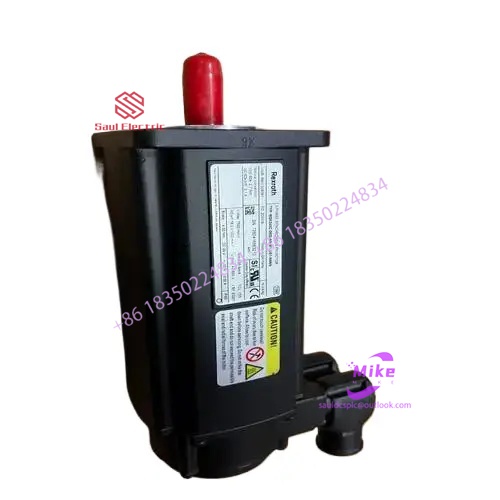
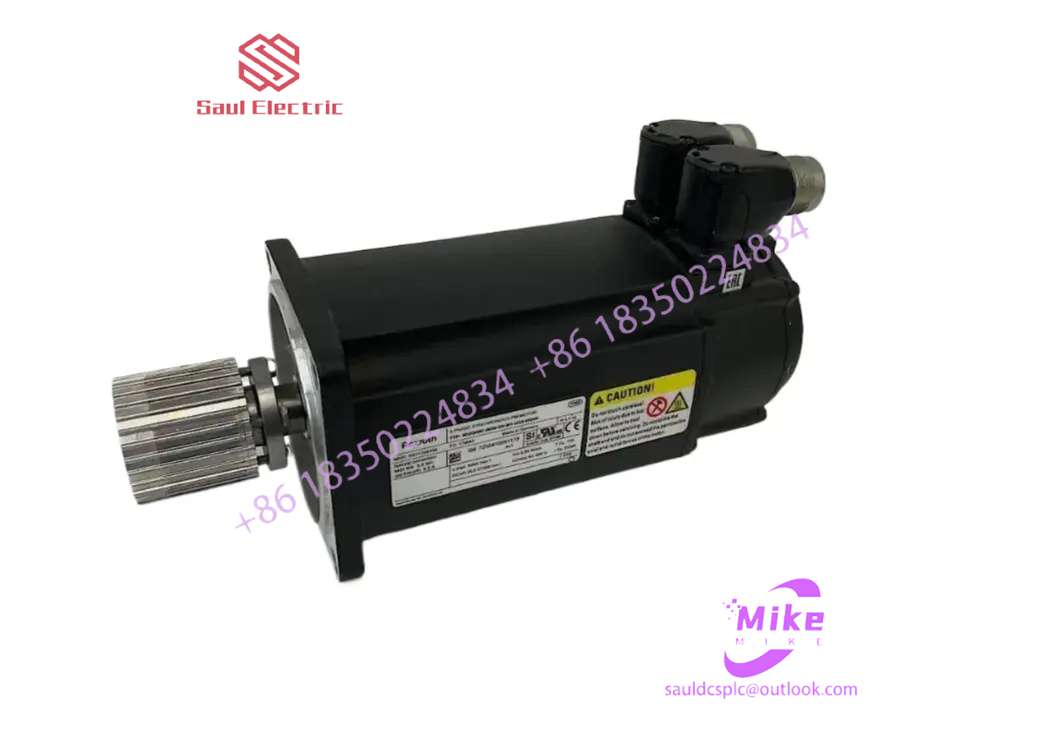
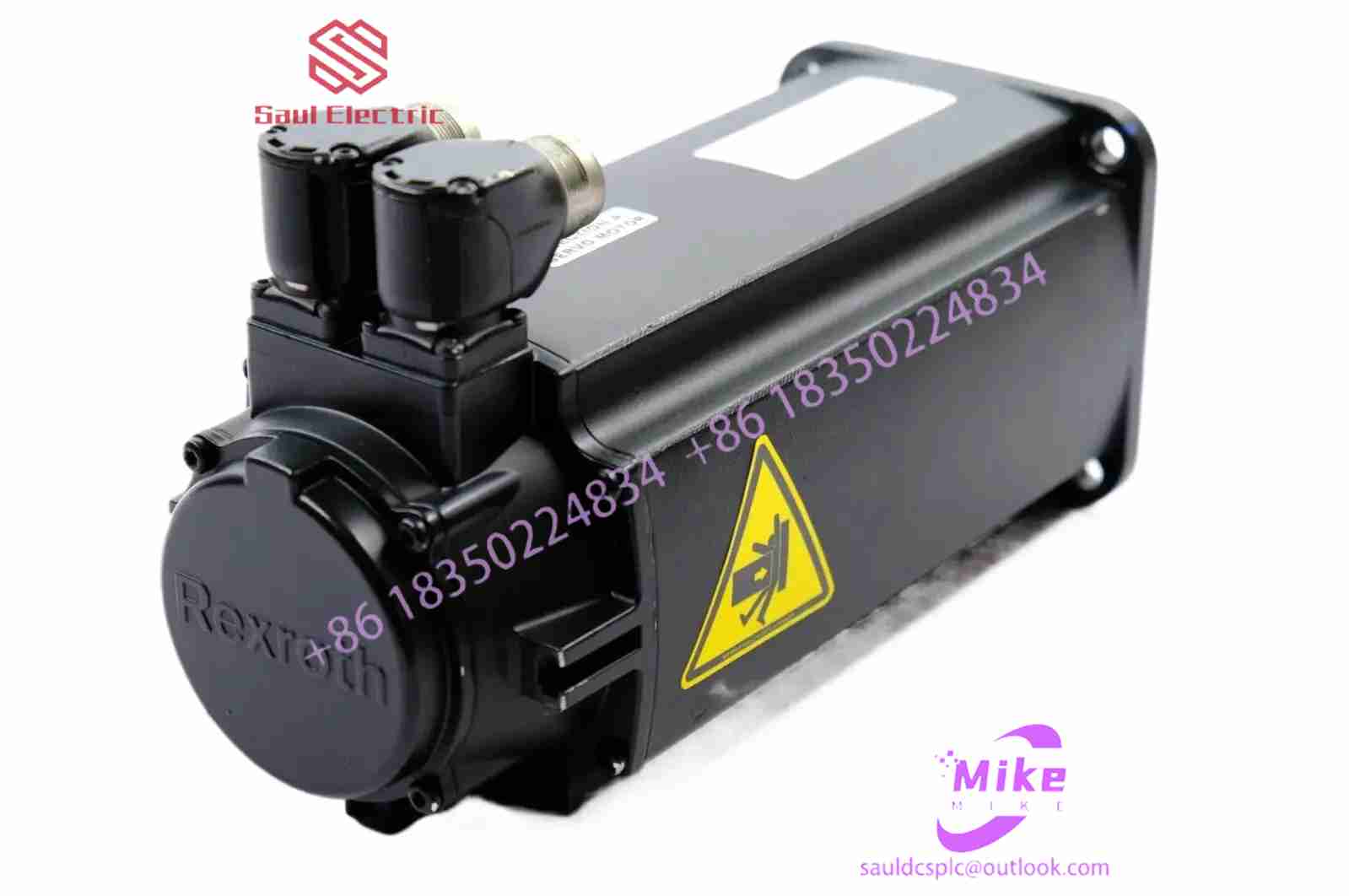
MDD115D-N-020-N2M-130-PAO REXROTH servo motor
Introduction to MDD115D-N-020-N2M-130-PAO Motor
I. General Overview
The MDD115D-N-020-N2M-130-PAO is a high-performance synchronous servo motor produced by Bosch Rexroth, belonging to the IndraDyn S series. This motor is widely used in industrial automation due to its high torque, high speed, high precision, and excellent environmental adaptability.
II. Key Features
- High Torque Output:
- The maximum torque can reach 631Nm, meeting the needs of various high-load applications.
- Smooth torque output with minimal fluctuations ensures stable equipment operation.
- Wide Speed Range:
- The maximum speed can reach 9000rpm, suitable for applications requiring high-speed operation.
- A wide speed adjustment range allows for flexible adjustments based on actual needs.
- High-Precision Control:
- Equipped with a multi-turn absolute Hiperface encoder with an increment of 128, providing high-precision position feedback.
- High encoder resolution ensures precise and stable motor movement.
- Excellent Environmental Adaptability:
- High protection class, typically IP65 or above, enabling stable operation in harsh environments.
- Optional liquid cooling system available to handle heat dissipation in high-power applications.
- Compact Structure:
- The motor is designed to be compact, with a small size and light weight, facilitating easy installation and maintenance.
- Flat shaft design with shaft sealing rings prevents dust and moisture from entering the motor interior.
III. Application Scenarios
The MDD115D-N-020-N2M-130-PAO motor is widely used in various industrial automation fields requiring high precision and high torque, including but not limited to:
- Robot Arms:
- Provides high torque and precise position control, ensuring flexible movement and accurate positioning of robot arms.
- Automated Production Lines:
- Used to drive various automated equipment, such as conveyors and assembly machines, improving production efficiency and product quality.
- Packaging Machinery:
- Suitable for high-speed packaging machinery, such as filling machines and sealing machines, ensuring stable and accurate packaging processes.
- Conveyor Systems:
- Used to drive conveyor belts, rollers, and other conveying equipment, enabling fast and accurate material transportation.
IV. Technical Parameters
- Rated Power: Varies depending on the specific model and application scenario, but typically meets the needs of high-load applications.
- Rated Voltage: Usually an AC voltage, with the specific value determined by the motor model and配套 (matching) drive.
- Rated Current: Determined based on the motor power and voltage, ensuring stable motor operation under rated conditions.
- Encoder Type: Multi-turn absolute Hiperface encoder, providing high-precision position feedback.
- Protection Class: Typically IP65 or above, ensuring stable motor operation in harsh environments.
- Cooling Method: Natural convection cooling or optional liquid cooling system, selected based on application scenario and power requirements.
This introduction provides a comprehensive overview of the MDD115D-N-020-N2M-130-PAO motor, highlighting its key features, application scenarios, and technical parameters.
2、 Overview of DD motor
DD motor, also known as direct drive motor, is a type of motor that directly connects the rotor of the motor to the load. It eliminates
intermediate links such as gears and belts in traditional transmission systems, directly transmitting the rotational force of the motor to the
load. DD motors have the characteristics of high precision, high rigidity, high response speed, and simple maintenance.
Working Principle:
The rotor of DD motor is directly connected to the load, eliminating the intermediate transmission link.
Due to the absence of transmission losses, DD motors can achieve high-precision position control.
Design features:
No intermediate transmission reduces transmission losses and improves efficiency.
High precision, due to the absence of transmission links, high-precision position control can be achieved.
High rigidity, directly driving the structure improves the rigidity of the system.
Easy to maintain, due to its simple structure, the maintenance cost is relatively low.
High response speed, directly driving the structure improves the system”s response speed.