


Description
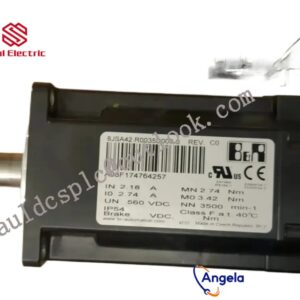
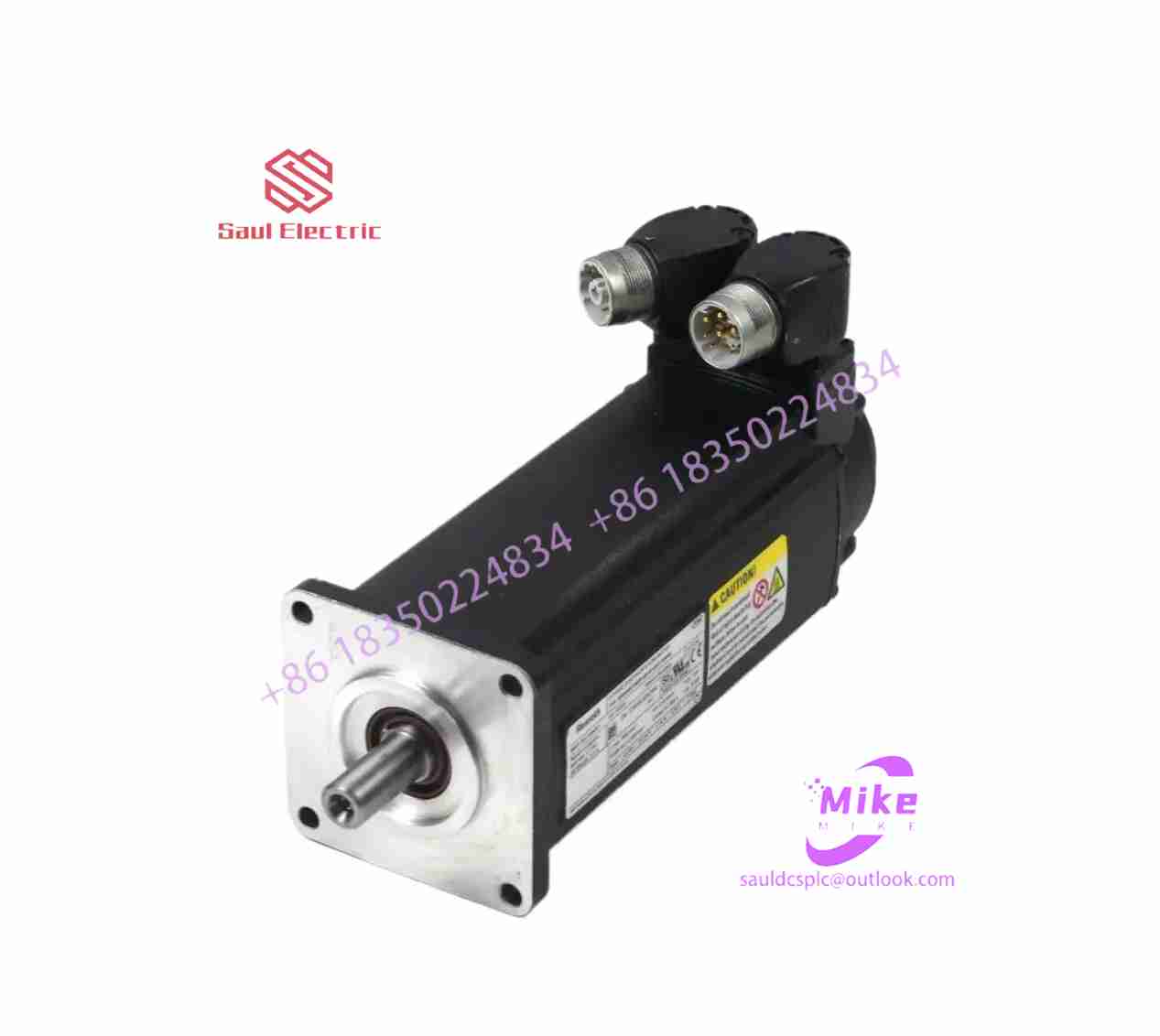
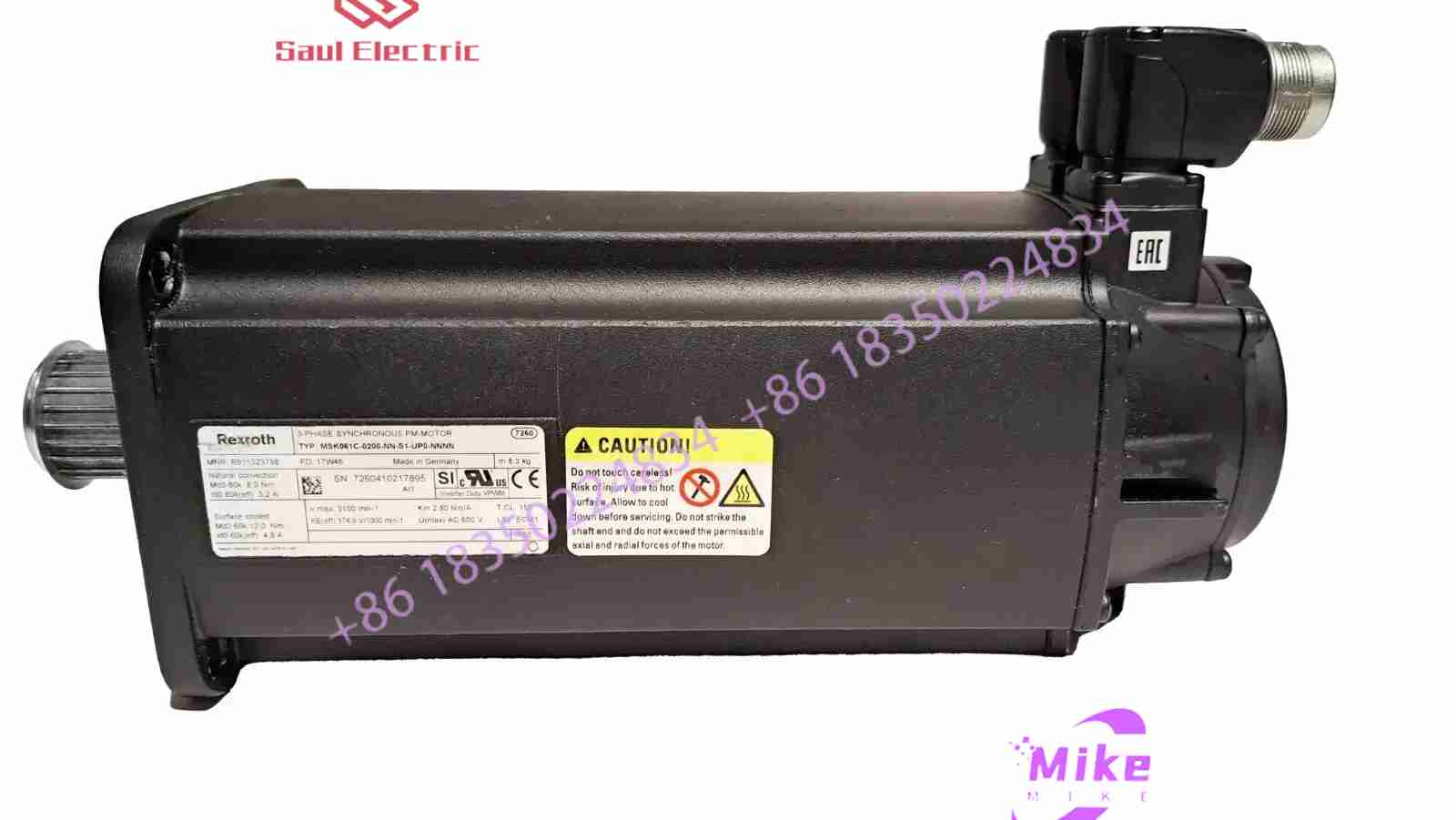
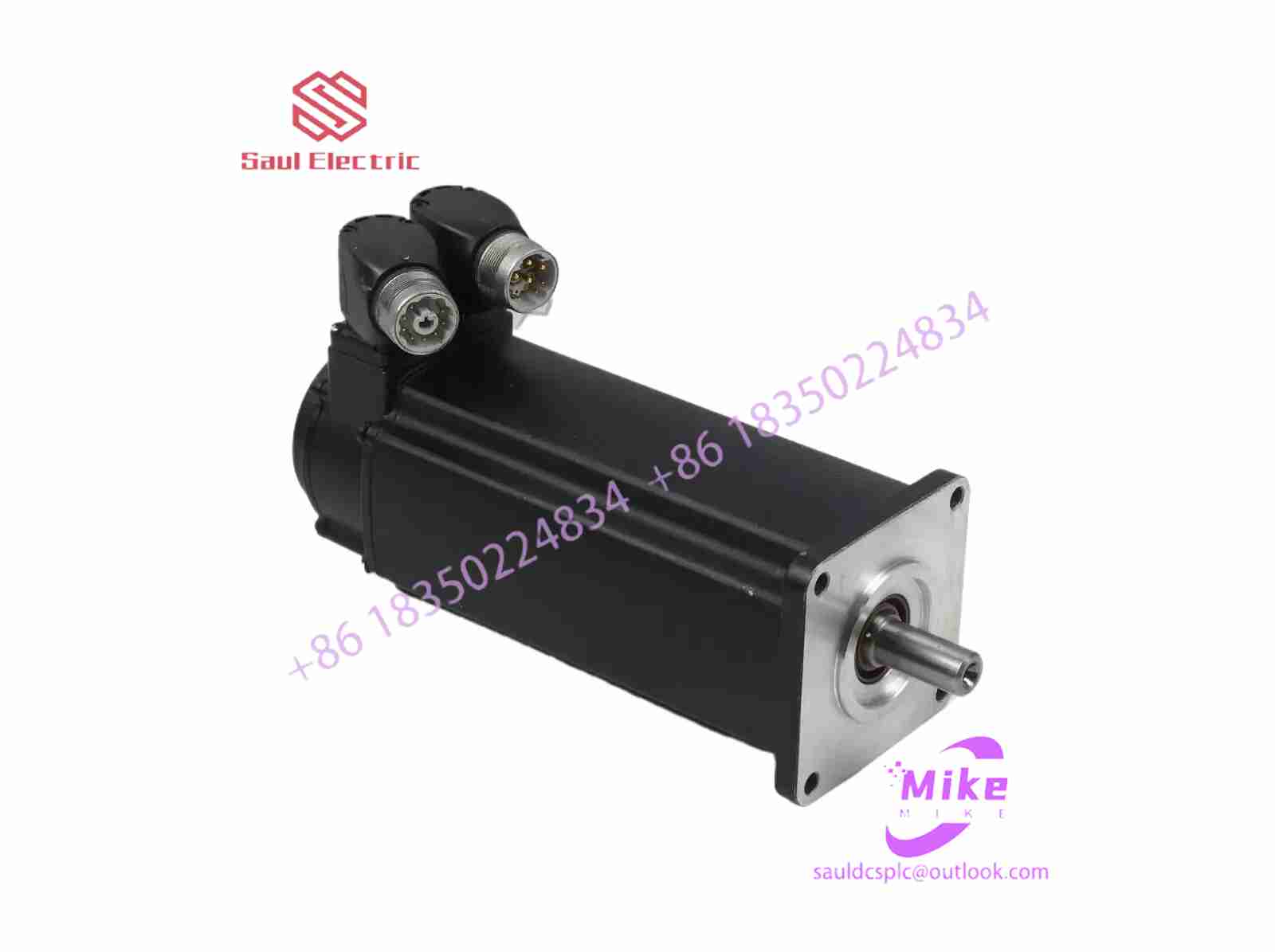
MDD11-N-030-N2M-130GA1 Rexroth Motor Supply
Introduction to MDD11-N-030-N2M-130GA1 Motor
I. General Overview
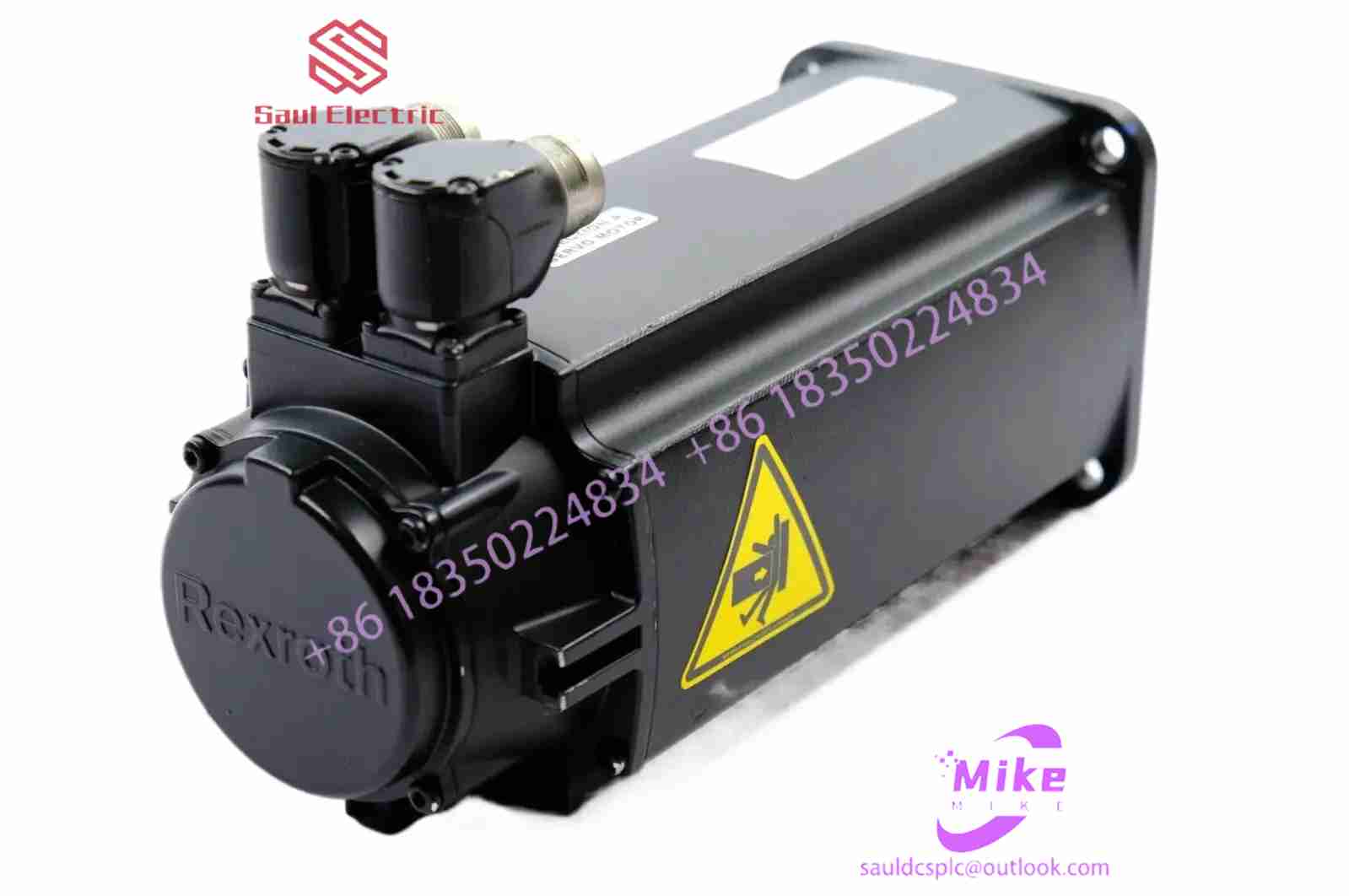
The MDD11-N-030-N2M-130GA1 is a high-performance synchronous servo motor produced by Bosch Rexroth, belonging to the IndraDyn S series. This motor is widely used in industrial automation due to its high torque, high speed, high precision, and excellent environmental adaptability.
II. Key Features
- High Torque Output:
- The maximum torque can reach 631Nm, meeting the needs of various high-load applications.
- Smooth torque output with minimal fluctuations ensures stable equipment operation.
- Wide Speed Range:
- The maximum speed can reach 9000rpm, suitable for applications requiring high-speed operation.
- A wide speed adjustment range allows for flexible adjustments based on actual needs.
- High-Precision Control:
- Equipped with a multi-turn absolute Hiperface encoder with an increment of 128, providing high-precision position feedback.
- High encoder resolution ensures precise and stable motor movement.
- Excellent Environmental Adaptability:
- High protection class, typically IP65 or above, enabling stable operation in harsh environments.
- Optional liquid cooling system available to handle heat dissipation in high-power applications.
- Compact Structure:
- The motor is designed to be compact, with a small size and light weight, facilitating easy installation and maintenance.
- Flat shaft design with shaft sealing rings prevents dust and moisture from entering the motor interior.
III. Application Scenarios
The MDD11-N-030-N2M-130GA1 motor is widely used in various industrial automation fields requiring high precision and high torque, including but not limited to:
- Robot Arms:
- Provides high torque and precise position control, ensuring flexible movement and accurate positioning of robot arms.
- Automated Production Lines:
- Used to drive various automated equipment, such as conveyors and assembly machines, improving production efficiency and product quality.
- Packaging Machinery:
- Suitable for high-speed packaging machinery, such as filling machines and sealing machines, ensuring stable and accurate packaging processes.
- Conveyor Systems:
- Used to drive conveyor belts, rollers, and other conveying equipment, enabling fast and accurate material transportation.
IV. Technical Parameters
- Rated Power: Varies depending on the specific model and application scenario, but typically meets the needs of high-load applications.
- Rated Voltage: Usually an AC voltage, with the specific value determined by the motor model and配套 (matching) drive.
- Rated Current: Determined based on the motor power and voltage, ensuring stable motor operation under rated conditions.
- Encoder Type: Multi-turn absolute Hiperface encoder, providing high-precision position feedback.
- Protection Class: Typically IP65 or above, ensuring stable motor operation in harsh environments.
- Cooling Method: Natural convection cooling or optional liquid cooling system, selected based on application scenario and power requirements.
This introduction provides a comprehensive overview of the MDD11-N-030-N2M-130GA1 motor, highlighting its key features, application scenarios, and technical parameters.
What is the difference between a dual-speed motor and a single-speed motor?
The main difference between a double-speed motor and a single-speed motor is that the double-speed motor has two or more
rated speeds, while the single-speed motor has only one rated speed. The double-speed motor typically consists of two sets of
electromechanical windings and a set of rotating armatures, which can be switched to different windings to obtain different speeds.
The single-speed motor, on the other hand, has only one set of electromechanical windings and a set of rotating armatures, and the speed is fixed.
In addition, the structure of the dual-speed motor and control system are relatively complex, but can more flexibly cope with
different working requirements. However, the structure of the single-speed motor is simple and the control is relatively easy, suitable for some basic application occasions.