


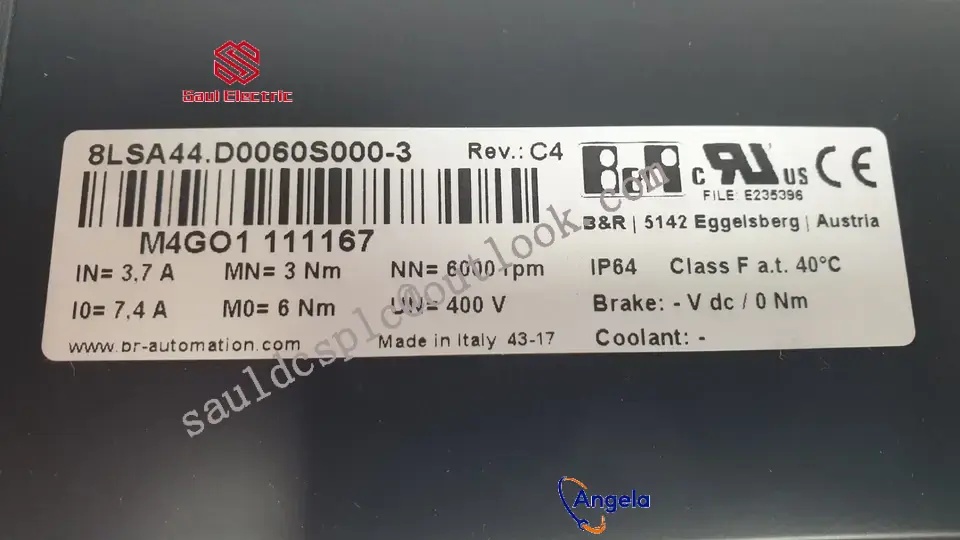
Description
I. Brand Background
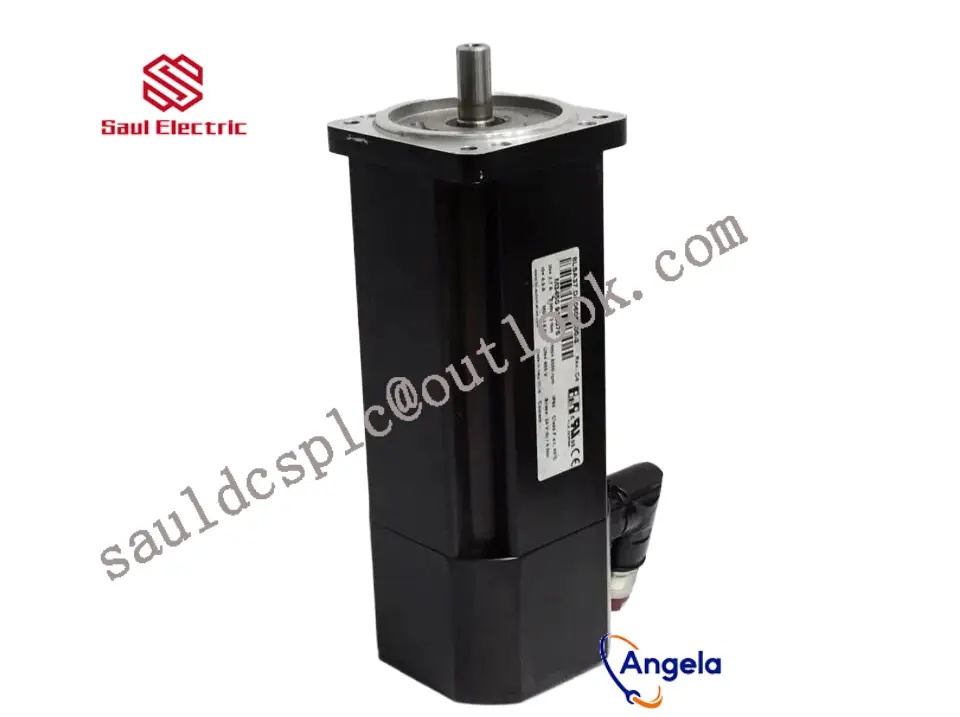
II. Product Features
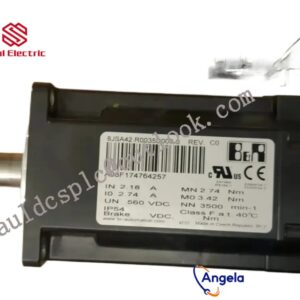
- High Performance: The SBL4-0530-30-1-560/E0S-A servo motor offers high precision, rapid response, and excellent stability, meeting the demands of various complex automation applications.
- Integrated Safety Technology: B&R”s servo motors incorporate advanced safety technologies, such as the openSAFETY standard,
- ensuring the safety of operators while supporting machine functionality. This safety technology adapts to changing configurations and operates reliably worldwide.
- Easy Management: With intelligent safety response capabilities, the SBL4-0530-30-1-560/E0S-A servo motor simplifies machine option management without compromising safety levels.
- This helps reduce downtime risks and enhance production efficiency.
- Networked Collaboration: B&R”s integrated, networked safety technology enables coordinated responses to safety events across the entire production line.
- The use of safety standards like openSAFETY ensures secure communication and interoperability between devices from different manufacturers.
- Powerful Software Support: B&R”s Automation Studio software development platform provides robust support for configuring, commissioning,
- and maintaining servo motors. Users can easily accomplish various automation tasks through this platform.
III. Application Areas
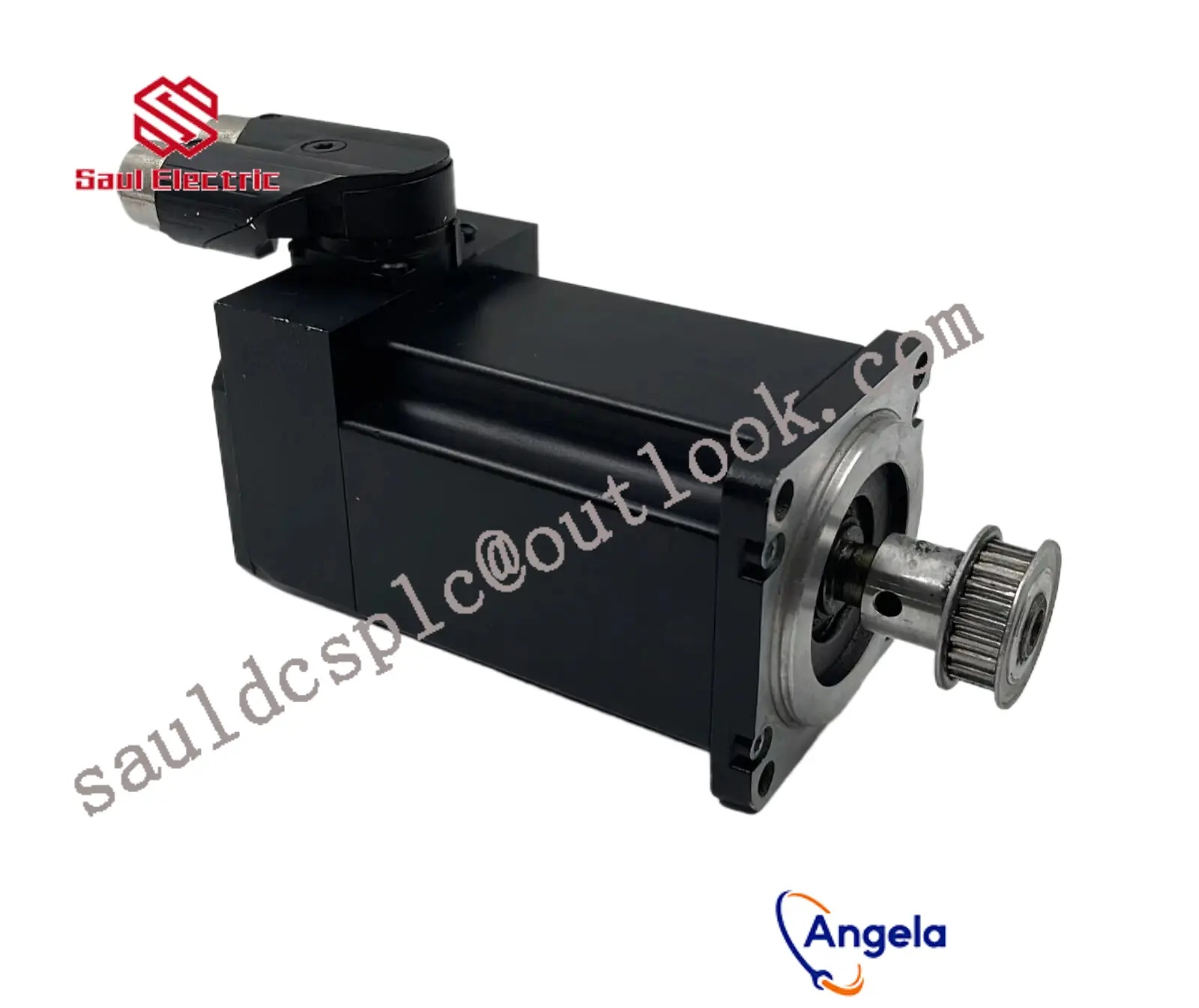
IV. Product Advantages
- Genuine Products: The SBL4-0530-30-1-560/E0S-A servo motor is manufactured in Austria, ensuring product quality and performance.
- Professional Services: B&R has a professional technical support and after-sales service team capable of providing timely and efficient technical support and solutions to users.
- Customization Options: B&R offers customized servo motor solutions to meet the specific needs of different users.
What is an optical axis motor? How does the optical axis motor output
Optical axis motor is an electric drive device based on the principle of optical axis. It utilizes photovoltaic effect and optical axis transmission
mechanism to convert light energy into mechanical energy, achieving driving function.
The working principle of the optical axis motor is based on the photovoltaic effect. The photovoltaic effect refers to the generation of electron hole
pairs when photons are incident on semiconductor materials, resulting in the formation of an electric current. Optical axis motors convert input light energy
into electrical energy and electrical energy into mechanical energy by using semiconductor materials as components of sensors or controllers, achieving driving functions.
Therefore, optical axis motors can not only achieve direct conversion and utilization of light energy, but also efficiently convert electrical and mechanical energy.
The output mode of the optical axis motor is achieved through the optical axis transmission mechanism. The optical axis transmission mechanism refers to a mechanism that
utilizes light energy for transmission and plays a key role in optical axis motors. The optical axis transmission mechanism is mainly composed of an optical axis, an optical axis driver, and a load.
The optical axis is the core component of the optical axis transmission mechanism, which has high transparency and high refractive index. When light passes
through the optical axis, it is efficiently focused and transmitted to the optical axis driver.
Optical axis driver is a device that converts light energy into mechanical energy, usually consisting of a motor and a transmission device. The motor part can choose
different types of motors according to different needs, such as DC motors, stepper motors, etc., and be powered by a power supply. The transmission device converts
the rotational torque and speed output by the motor into the rotational torque and speed of the optical axis, thereby driving the movement of the load.
The load is the motion device or working object output by the optical axis motor. It can be various mechanical devices, instruments, or other equipment. The optical axis
motor outputs mechanical energy to the load through the optical axis transmission mechanism to drive the load.
Optical axis motors have various characteristics and advantages. Firstly, the optical axis motor is driven by light energy and has the characteristics of high efficiency
and environmental protection. It does not require fuel combustion or mechanical transmission components, reducing energy consumption and mechanical losses. Secondly,
the optical axis motor has a small volume and light weight, and can be flexibly installed in equipment with various space limitations. In addition, the optical axis motor has a
fast response speed and precise position control capability, making it suitable for scenarios with high requirements for motion control.
In practical applications, optical axis motors are widely used in the fields of optoelectronics, precision instruments, optical equipment, and more. For example, optical axis
motors can be used in optical systems such as collimation, alignment, and focusing to achieve high-precision optical axial motion. In addition, optical axis motors can also be applied in
fields such as automated production lines and robots to achieve precise position control and automated operations.
In summary, an optical axis motor is an electric drive device that utilizes the photovoltaic effect and optical axis transmission mechanism to convert light energy into mechanical energy.
It achieves driving function through an optical axis transmission mechanism, and has the characteristics of high efficiency, environmental protection, and small size. Optical axis motors
have broad application prospects in the fields of optoelectronics and precision instruments.