


Description
I. Brand Background
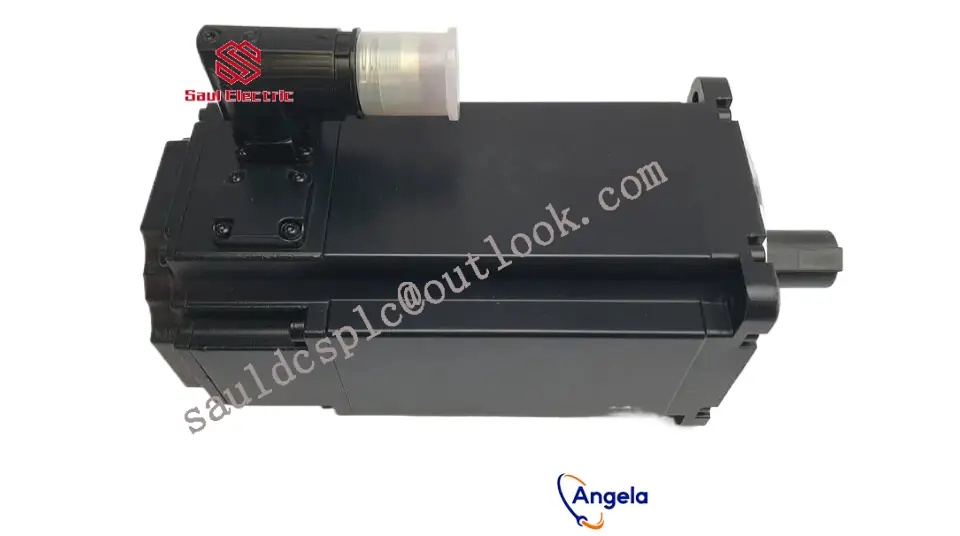
II. Product Features
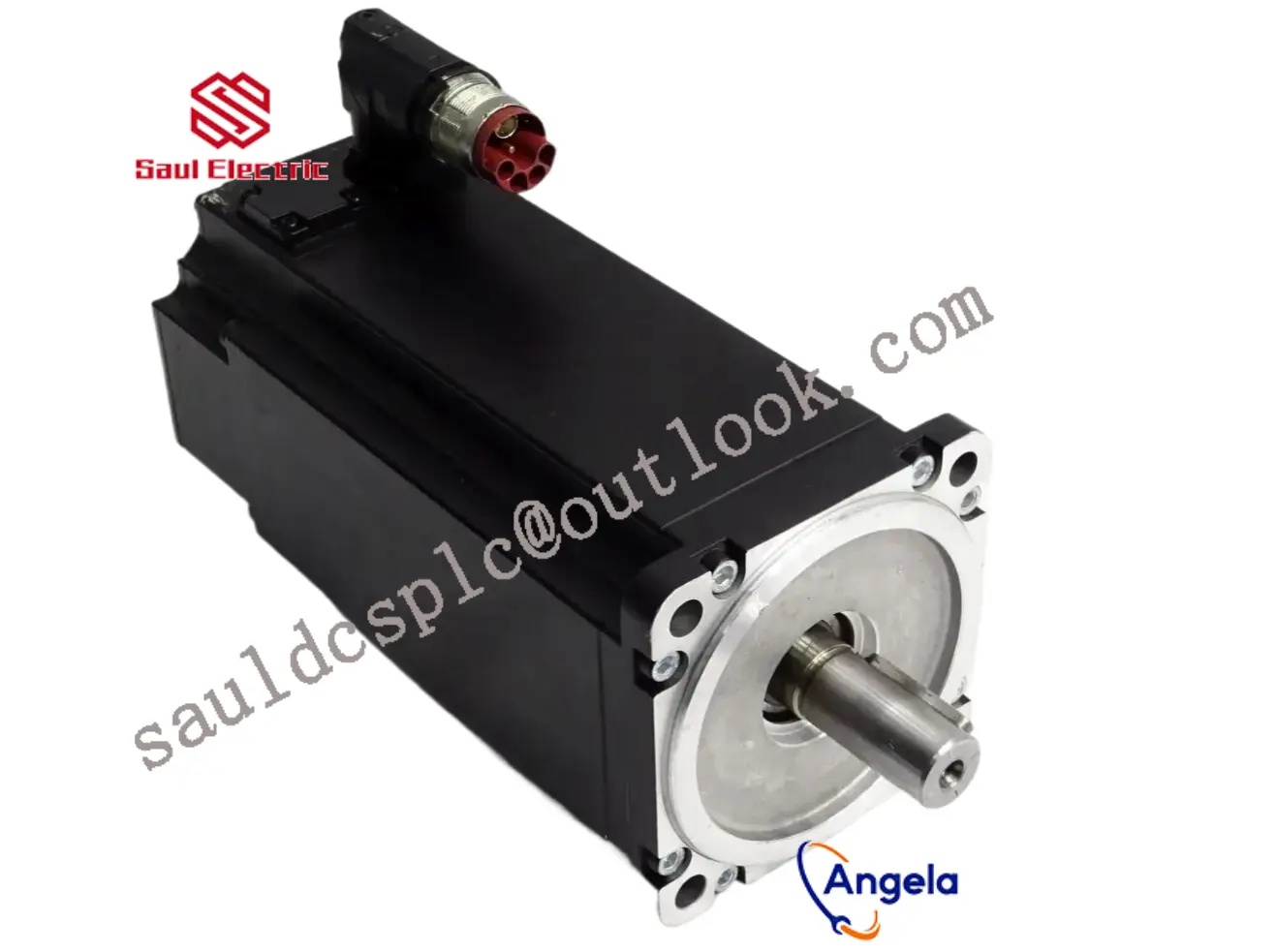
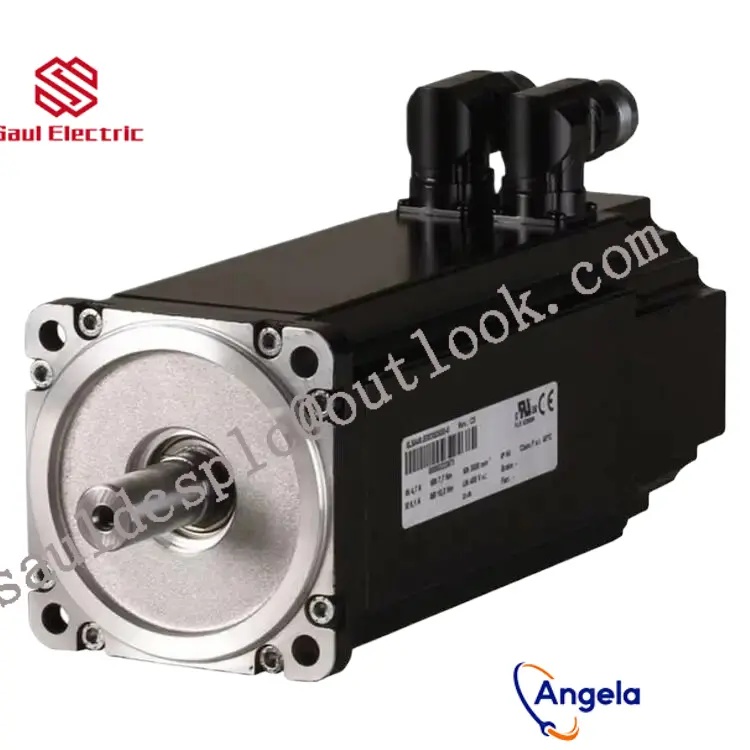
- High Performance: The 8MSA4M.E0-31 servo motor offers high precision, rapid response, and excellent stability, meeting the demands of various complex automation applications.
- Integrated Safety Technology: B&R”s servo motors incorporate advanced safety technologies, such as the openSAFETY standard,
- ensuring the safety of operators while supporting machine functionality. This safety technology adapts to changing configurations and operates reliably worldwide.
- Easy Management: With intelligent safety response capabilities, the 8MSA4M.E0-31 servo motor simplifies machine option management without compromising safety levels.
- This helps reduce downtime risks and enhance production efficiency.
- Networked Collaboration: B&R”s integrated, networked safety technology enables coordinated responses to safety events across the entire production line.
- The use of safety standards like openSAFETY ensures secure communication and interoperability between devices from different manufacturers.
- Powerful Software Support: B&R”s Automation Studio software development platform provides robust support for configuring, commissioning,
- and maintaining servo motors. Users can easily accomplish various automation tasks through this platform.
III. Application Areas
IV. Product Advantages
- Genuine Products: The 8MSA4M.E0-31 servo motor is manufactured in Austria, ensuring product quality and performance.
- Professional Services: B&R has a professional technical support and after-sales service team capable of providing timely and efficient technical support and solutions to users.
- Customization Options: B&R offers customized servo motor solutions to meet the specific needs of different users.
Many engineers have not figured out the difference between brushless motors and brushed motors for a long time?
What is the difference between synchronous motor and asynchronous motor? Are all servo motors AC motors?
Are all servo motors synchronous motors? Do stepper motors belong to DC motors or AC motors? Does the servo motor belong to servo motors, etc
Do you also have many doubts about this? This article will attempt to explain systematic knowledge in plain language,
hoping that reading it will give you a clear understanding of the classification of motors.
DC motor – Even top students and underachievers who have studied physics in high school know that in order to study the
force acting on an electrified conductor in a magnetic field, we trained our left hand to a broken palm, which is exactly the principle
of DC motor. All motors are composed of a stator and a rotor. In a DC motor, in order to make the rotor rotate, the direction of the current needs to
be constantly changed, otherwise the rotor can only rotate half a turn, just like a bicycle pedal. So DC motors require a commutator. Broadly speaking,
DC motors include brushed motors and brushless motors. Brushed motor, also known as DC
motor or carbon brush motor, commonly refers to a brushed DC motor that uses mechanical commutation. The external magnetic poles do not move,
and the internal coils (armature) move. The commutator and rotor coils rotate together, while the brushes and magnets do not move. Therefore,
the commutator and brushes rub against each other to complete the switching of current direction.
Disadvantages of brushed motors: 1. Sparks generated by mechanical commutation cause friction between the commutator and the brush,
electromagnetic interference, high noise, and short lifespan. 2. Poor reliability, frequent failures, and the need for frequent maintenance. 3.
Due to the existence of the commutator, the rotor inertia is limited, the maximum speed is restricted, and the dynamic performance is affected.
Since it has so many drawbacks, why is it still widely used? It has high torque, simple structure, easy maintenance (i.e. replacing carbon brushes), and is cheap.