


Description
I. Brand Background
II. Product Features
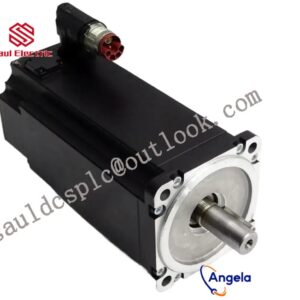
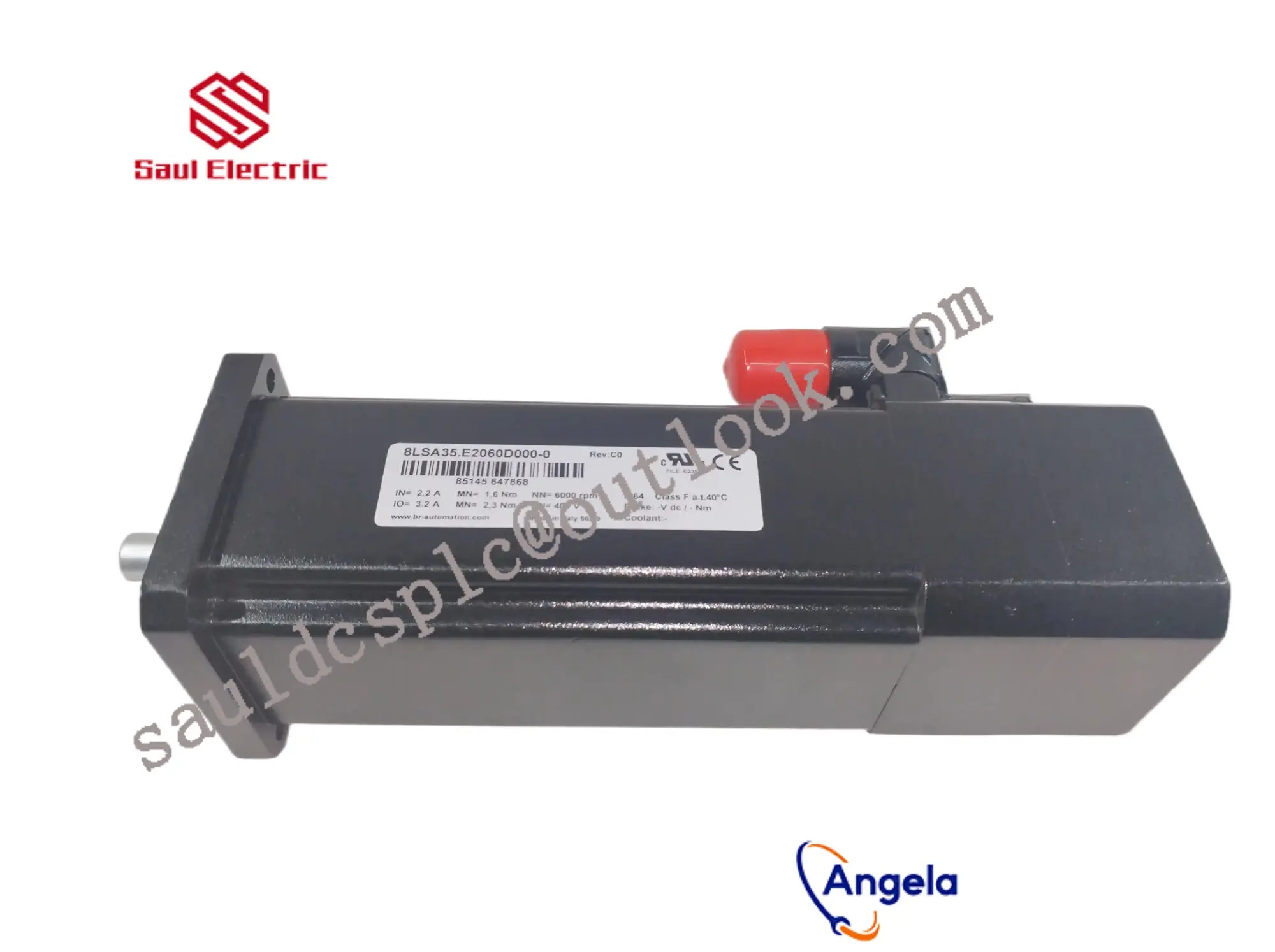
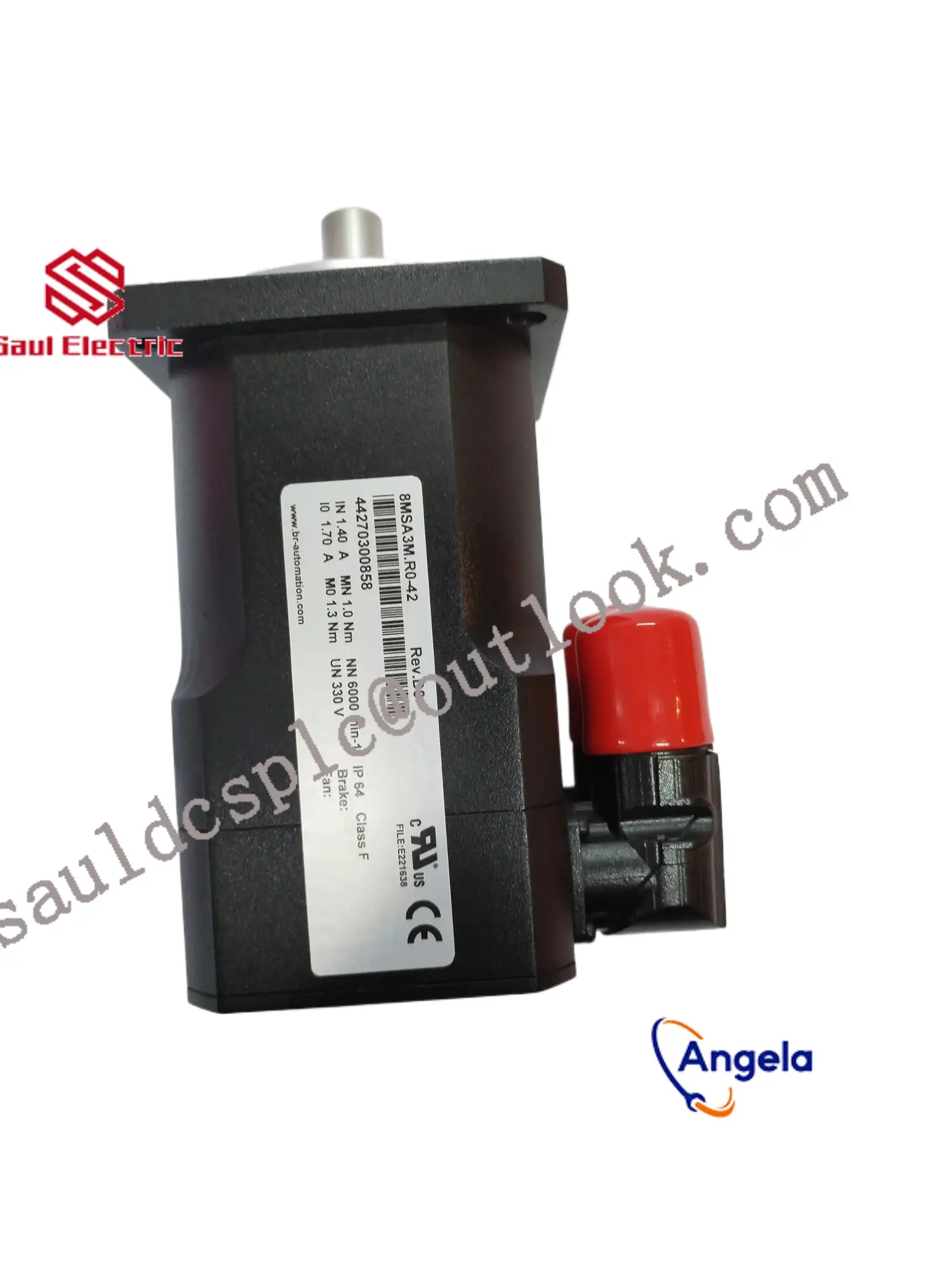
- High Performance: The 8MSA3L.E0B5 servo motor offers high precision, rapid response, and excellent stability, meeting the demands of various complex automation applications.
- Integrated Safety Technology: B&R”s servo motors incorporate advanced safety technologies, such as the openSAFETY standard,
- ensuring the safety of operators while supporting machine functionality. This safety technology adapts to changing configurations and operates reliably worldwide.
- Easy Management: With intelligent safety response capabilities, the 8MSA3L.E0B5 servo motor simplifies machine option management without compromising safety levels.
- This helps reduce downtime risks and enhance production efficiency.
- Networked Collaboration: B&R”s integrated, networked safety technology enables coordinated responses to safety events across the entire production line.
- The use of safety standards like openSAFETY ensures secure communication and interoperability between devices from different manufacturers.
- Powerful Software Support: B&R”s Automation Studio software development platform provides robust support for configuring, commissioning,
- and maintaining servo motors. Users can easily accomplish various automation tasks through this platform.
III. Application Areas
IV. Product Advantages
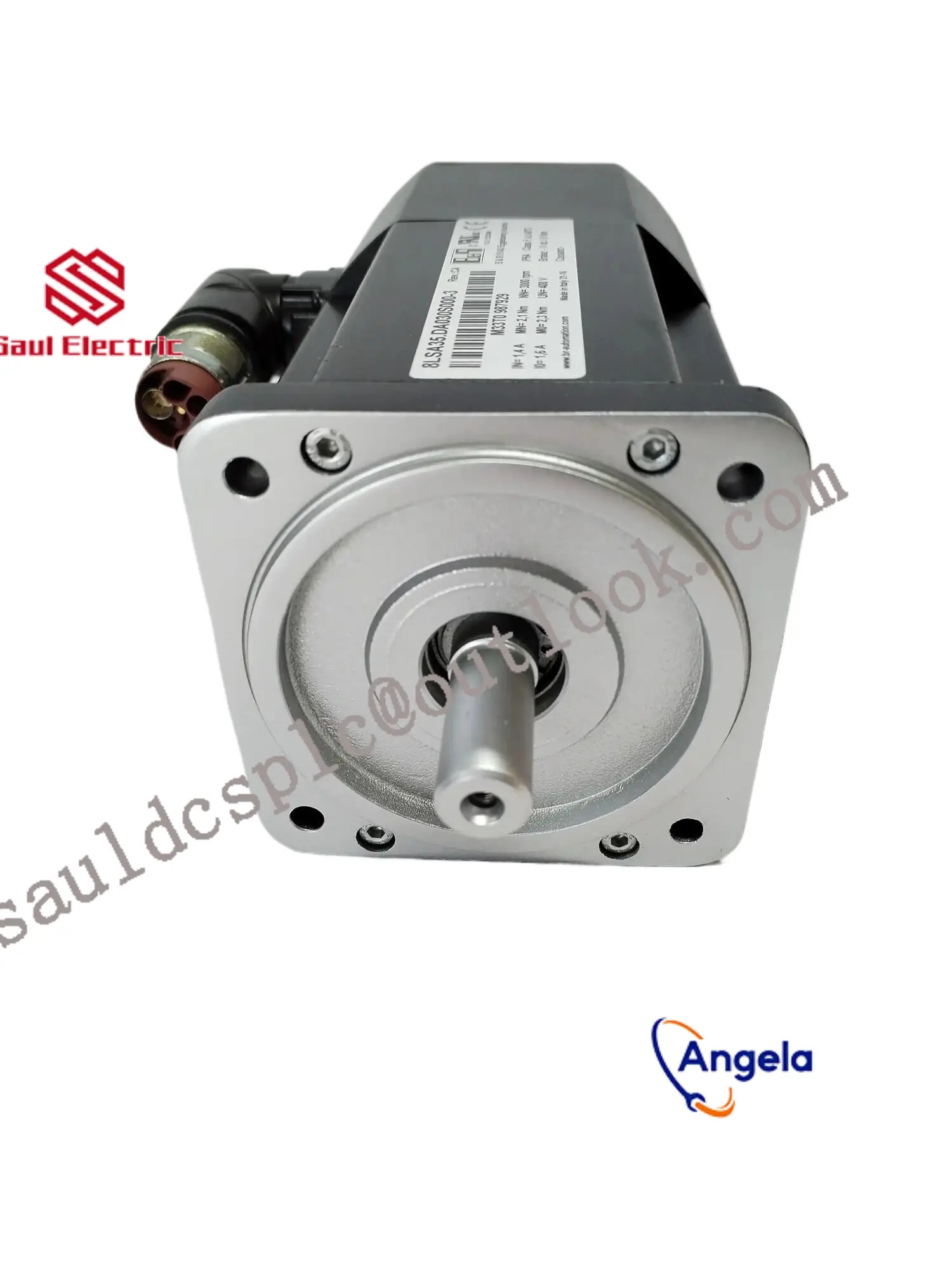
- Genuine Products: The 8MSA3L.E0B5 servo motor is manufactured in Austria, ensuring product quality and performance.
- Professional Services: B&R has a professional technical support and after-sales service team capable of providing timely and efficient technical support and solutions to users.
- Customization Options: B&R offers customized servo motor solutions to meet the specific needs of different users.
What does direct drive motor mean
Direct drive motor is the abbreviation for direct drive motor, which mainly refers to a motor that does not require a transmission device (such as a transmission belt) to drive the load.
Direct drive motor is suitable for various washing machines, with the main advantages of quietness, energy saving, smoothness, and strong power.
An electric motor, commonly known as a “motor”, refers to an electromagnetic device that converts or transmits electrical energy based on the law of electromagnetic induction.
The motor is represented by the letter M (formerly known as D) in the circuit, and its main function is to generate driving torque, which serves as
a power source for electrical appliances or various machinery.
The difference between direct drive motor and magnetic levitation motor/BLDC motor
Both direct drive motors and magnetic levitation motors belong to the category of modern high-tech motors, and their differences mainly lie in their working principles and application fields.
Direct drive motor refers to a motor whose rotor is directly mounted on the drive shaft, transmitting power by directly rotating the drive shaft without any
transmission device (such as gears, belts, etc.). Direct drive motors typically use permanent magnets or electromagnets to generate torque, and have advantages
such as high output efficiency, fast response speed, smoother operation, low noise, and long lifespan. Direct drive motors are commonly used in applications that require
high-precision and high-speed control, such as machine tools, semiconductor production equipment, wind turbines, etc.
Magnetic levitation motor is a type of motor that uses magnetic levitation technology to achieve contactless operation. It uses permanent magnets or electromagnets to
generate a magnetic field, utilizing the interaction of the magnetic field to achieve suspension and rotation between the rotor and stator. Magnetic levitation motors have
advantages such as no friction, no wear, high efficiency, high speed, high precision, and high reliability, making them widely used in high-speed trains, centrifugal compressors, wind turbines, and other fields.
Therefore, although both direct drive motors and magnetic levitation motors are high-tech motors, their working principles and application fields
are different, and they need to be selected according to specific application requirements.
BLDC motor refers to a brushless DC motor that uses permanent magnets or electromagnets to generate a magnetic field, generating electromagnetic i
nduction force between the rotor and stator to achieve rotor rotation. BLDC motors have the advantages of high efficiency, high reliability, low noise, and long lifespan,
and have therefore been widely used in home appliances, industrial equipment, electric vehicles, and other fields.
Therefore, although both direct drive motors and BLDC motors are motors, their driving methods, control methods,
and application fields are different, and they need to be selected according to specific application requirements