


Description
I. Brand Background
II. Product Features
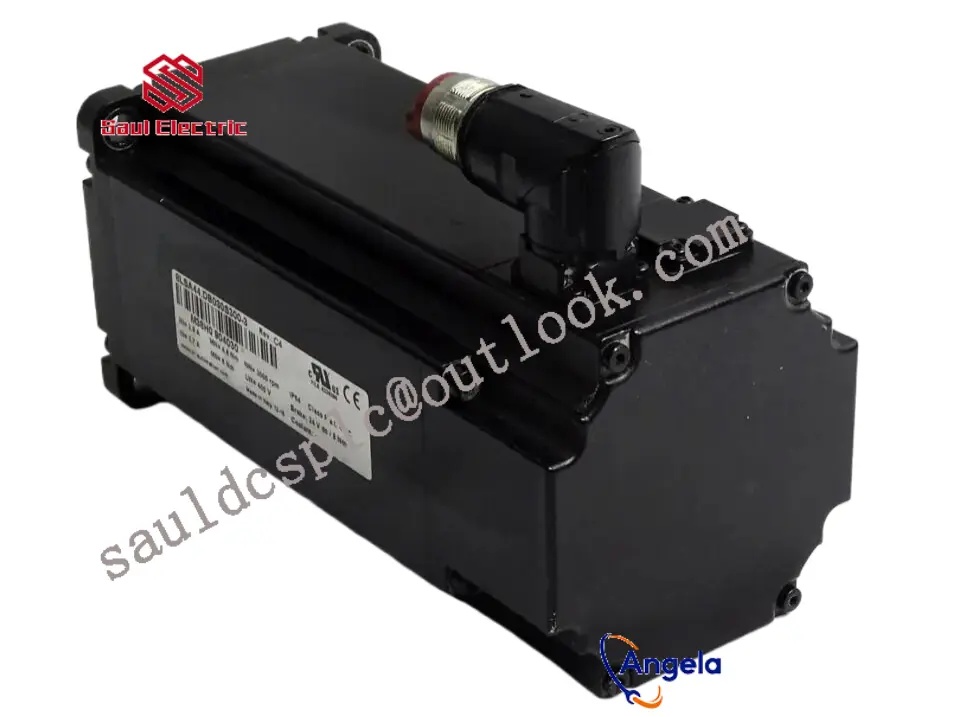
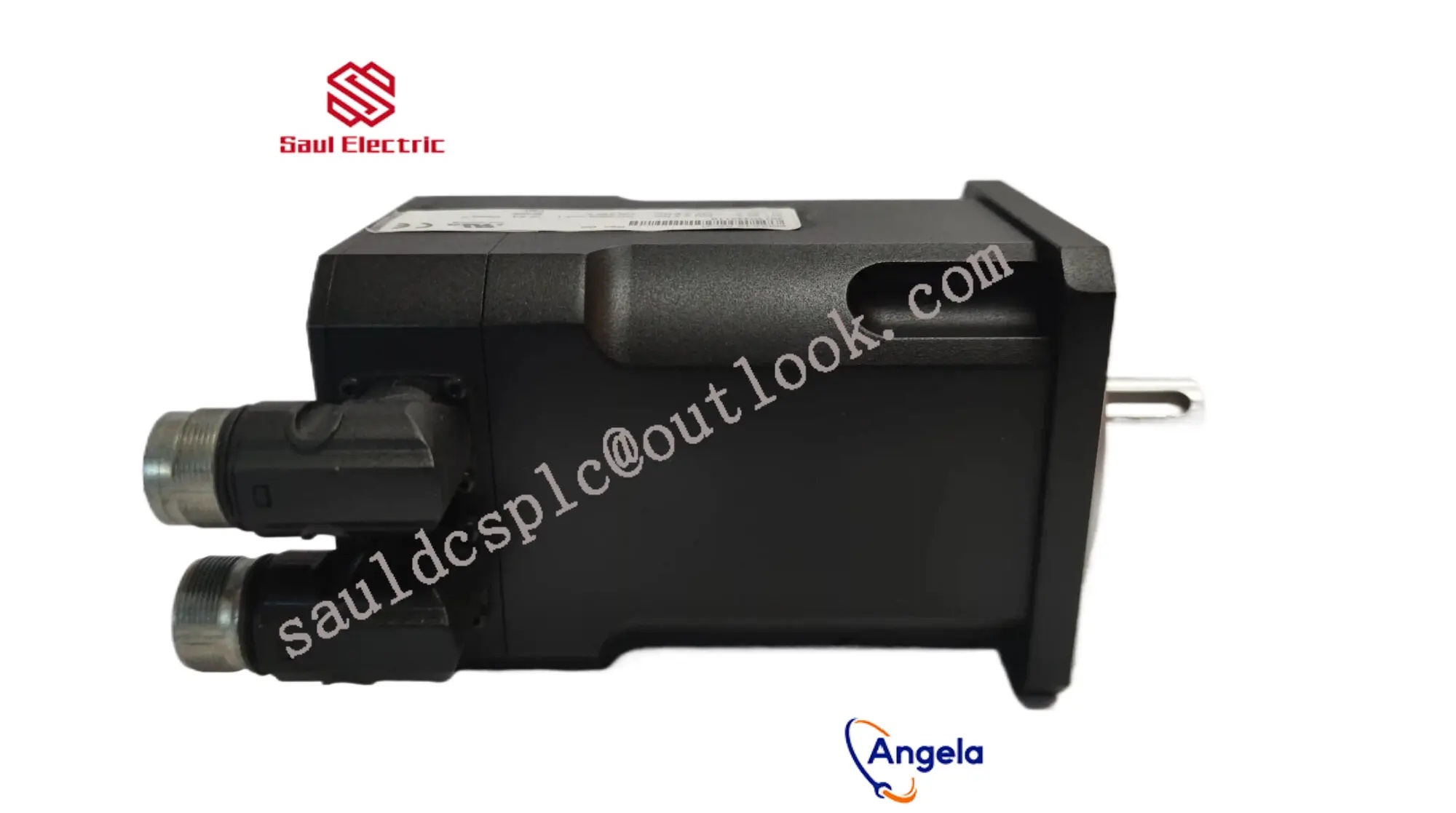
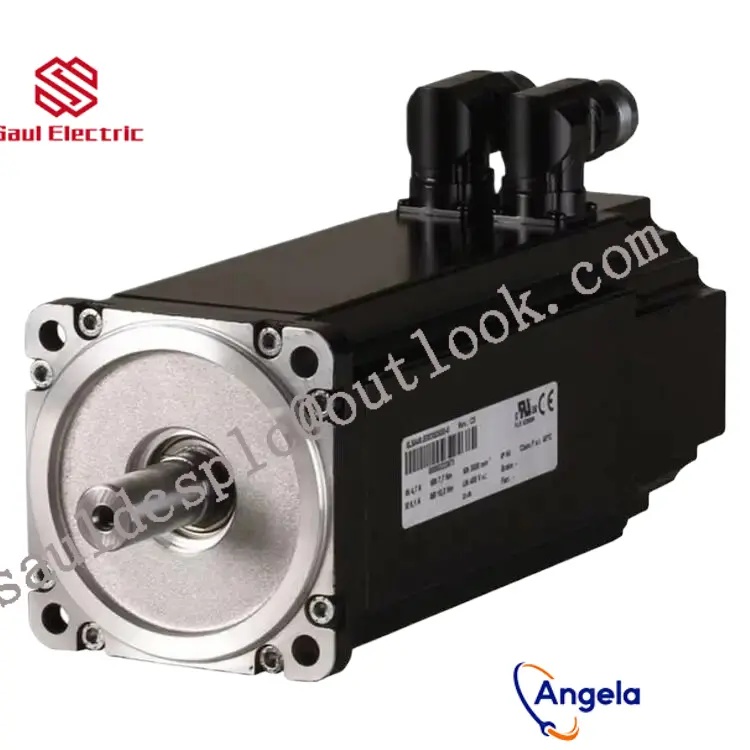
- High Performance: The 8LSA35.EB060D100-0 servo motor offers high precision, rapid response, and excellent stability, meeting the demands of various complex automation applications.
- Integrated Safety Technology: B&R”s servo motors incorporate advanced safety technologies, such as the openSAFETY standard,
- ensuring the safety of operators while supporting machine functionality. This safety technology adapts to changing configurations and operates reliably worldwide.
- Easy Management: With intelligent safety response capabilities, the 8LSA35.EB060D100-0 servo motor simplifies machine option management without compromising safety levels.
- This helps reduce downtime risks and enhance production efficiency.
- Networked Collaboration: B&R”s integrated, networked safety technology enables coordinated responses to safety events across the entire production line.
- The use of safety standards like openSAFETY ensures secure communication and interoperability between devices from different manufacturers.
- Powerful Software Support: B&R”s Automation Studio software development platform provides robust support for configuring, commissioning,
- and maintaining servo motors. Users can easily accomplish various automation tasks through this platform.
III. Application Areas
IV. Product Advantages
- Genuine Products: The 8LSA35.EB060D100-0 servo motor is manufactured in Austria, ensuring product quality and performance.
- Professional Services: B&R has a professional technical support and after-sales service team capable of providing timely and efficient technical support and solutions to users.
- Customization Options: B&R offers customized servo motor solutions to meet the specific needs of different users.
Xiangxiang Technician • March 1, 2023 15:34 • 9905 views • 0 comments
Explanation of the working principle of dual speed motor control
Dual speed motors usually have two speeds, usually high speed and low speed. To achieve dual speed control, two controllers or one controller with a switch can be used.
A common dual speed motor control scheme is to use two controllers, one controller controls high speed and the other controller controls low speed.
Control which controller to start through external signals to achieve dual speed control. The advantage of this scheme is that it is easy to control, but it requires two controllers and has a higher cost.
Another common solution is to use a controller and a conversion switch. The controller outputs a signal to control the conversion switch to switch the wiring of the motor,
thereby changing the speed of the motor. The advantage of this approach is that only one controller is needed, resulting in lower costs. But it is necessary to manually operate the
conversion switch when switching the speed.
No matter which scheme is adopted, the main working principle of the dual speed motor controller is to change the voltage and frequency of the motor to achieve different speeds.
At high speeds, the controller outputs high voltage and high frequency; At low speeds, the controller outputs low voltage and low frequency.
Controllers typically control motor speed based on external signals such as control panels, sensors, etc.
The difference between dual speed motor and ordinary motor
The main difference between a dual speed motor and a regular motor is that a dual speed motor can switch between two different operating speeds, while a regular motor only has one operating speed.
A dual speed motor generally has two sets of windings, each corresponding to a different number of pole pairs. By changing the wiring of the winding, two
different pole pairs can be achieved, thereby achieving two different operating speeds. Dual speed motors can play a good role in applications that require speed regulation, such as fans, pumps, etc.
Ordinary motors have only one set of windings and can usually only operate at one speed. If the speed needs to be adjusted, methods such as using a speed
control device or replacing the motor are required.
What is the difference between a dual speed motor and a single speed motor
The main difference between a dual speed motor and a single speed motor is that a dual speed motor has two or more rated speeds, while a single speed motor only
has one rated speed. A dual speed motor typically consists of two sets of electromagnetic windings and a set of rotating armatures, which can be switched on different
windings to achieve different speeds. A single speed motor only has one set of electromagnetic windings and one set of rotating armature, with a fixed speed.
In addition, the structure and control system of dual speed motors are relatively complex, but they can more flexibly respond to different work requirements. Single speed
motors have a simple structure and are relatively easy to control, making them suitable for some basic application scenarios.