


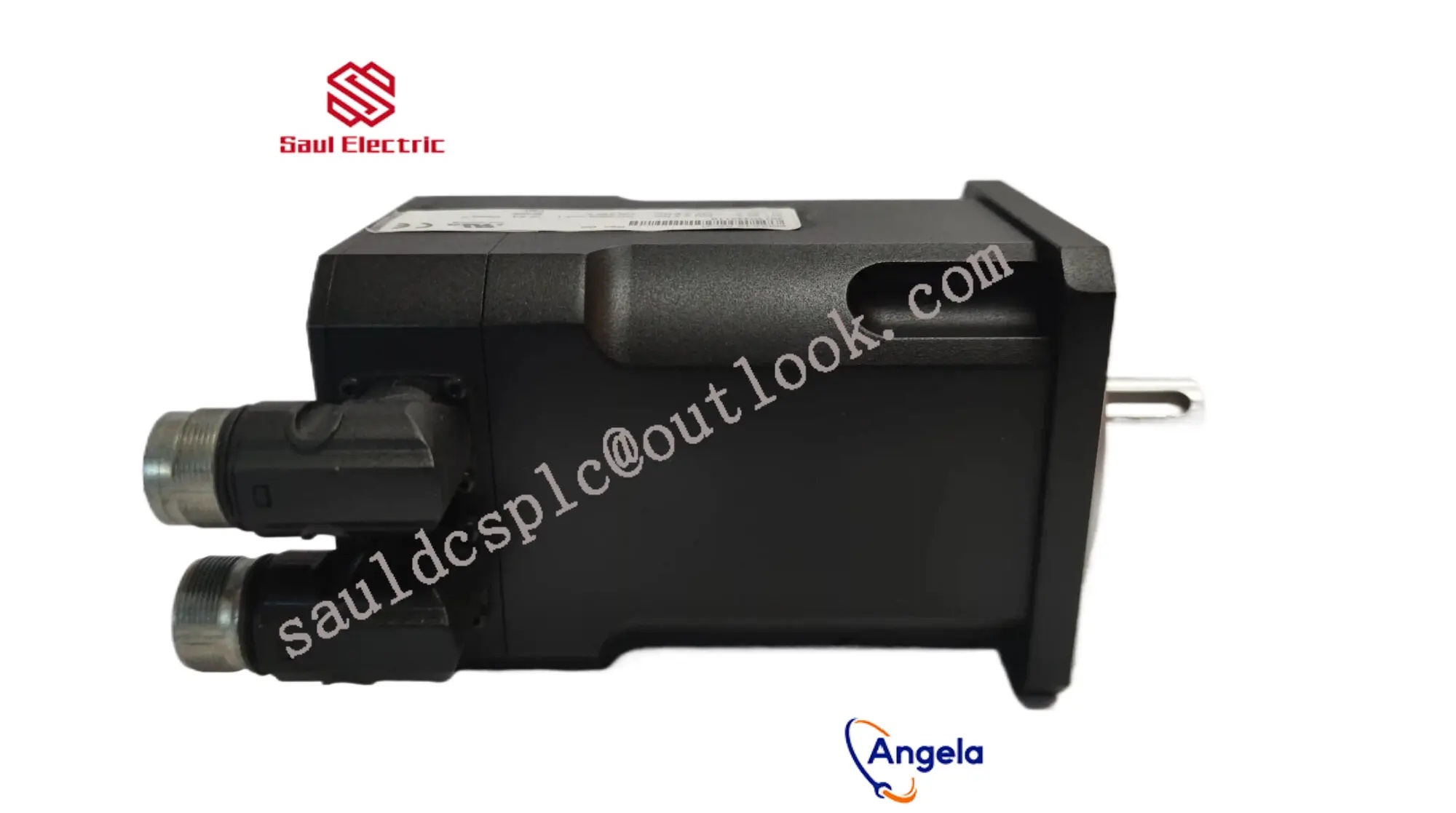
Description
I. Brand Background
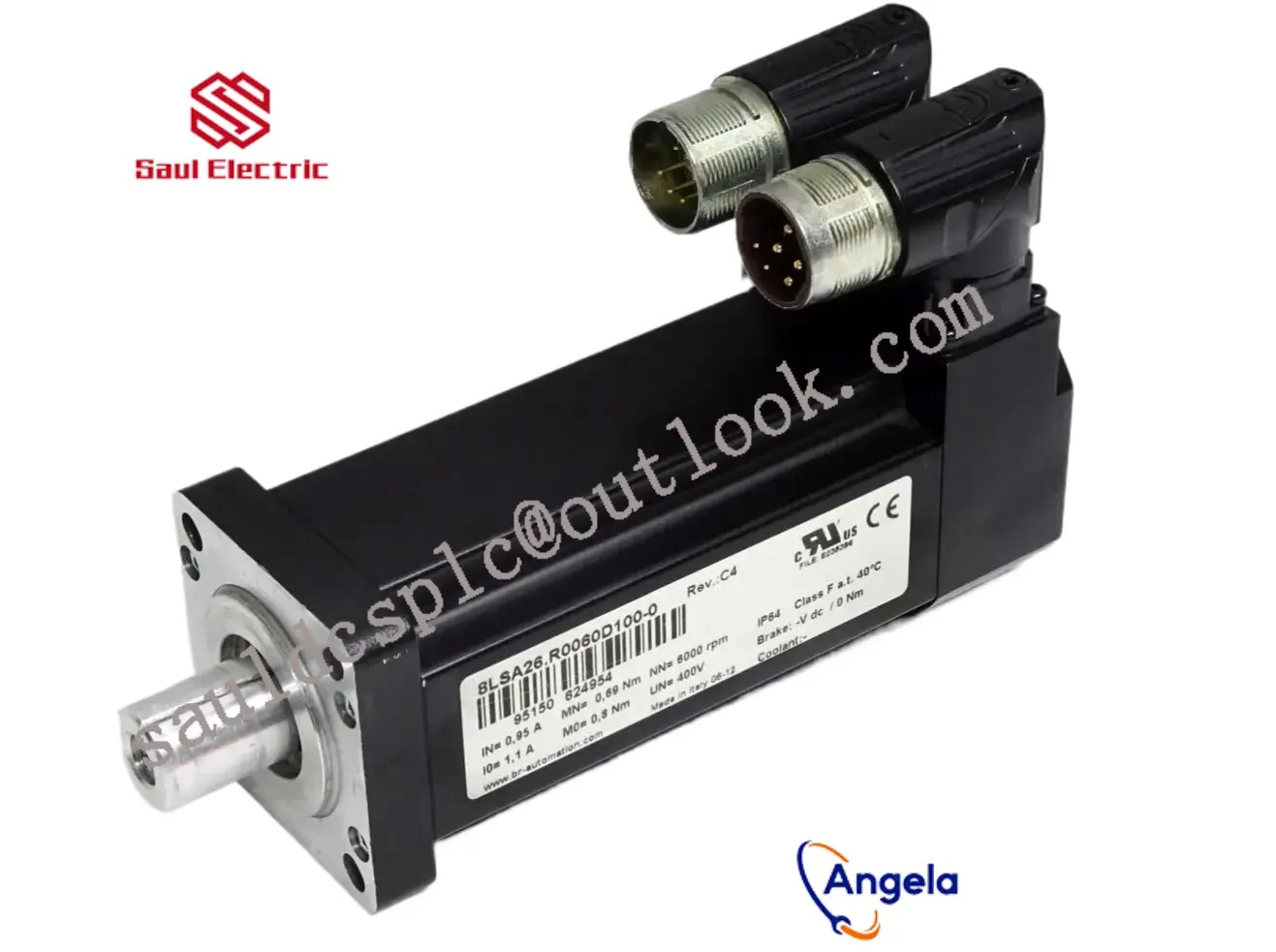
II. Product Features
- High Performance: The 80MPH6.300S114-01 servo motor offers high precision, rapid response, and excellent stability, meeting the demands of various complex automation applications.
- Integrated Safety Technology: B&R”s servo motors incorporate advanced safety technologies, such as the openSAFETY standard,
- ensuring the safety of operators while supporting machine functionality. This safety technology adapts to changing configurations and operates reliably worldwide.
- Easy Management: With intelligent safety response capabilities, the 80MPH6.300S114-01 servo motor simplifies machine option management without compromising safety levels.
- This helps reduce downtime risks and enhance production efficiency.
- Networked Collaboration: B&R”s integrated, networked safety technology enables coordinated responses to safety events across the entire production line.
- The use of safety standards like openSAFETY ensures secure communication and interoperability between devices from different manufacturers.
- Powerful Software Support: B&R”s Automation Studio software development platform provides robust support for configuring, commissioning,
- and maintaining servo motors. Users can easily accomplish various automation tasks through this platform.
III. Application Areas
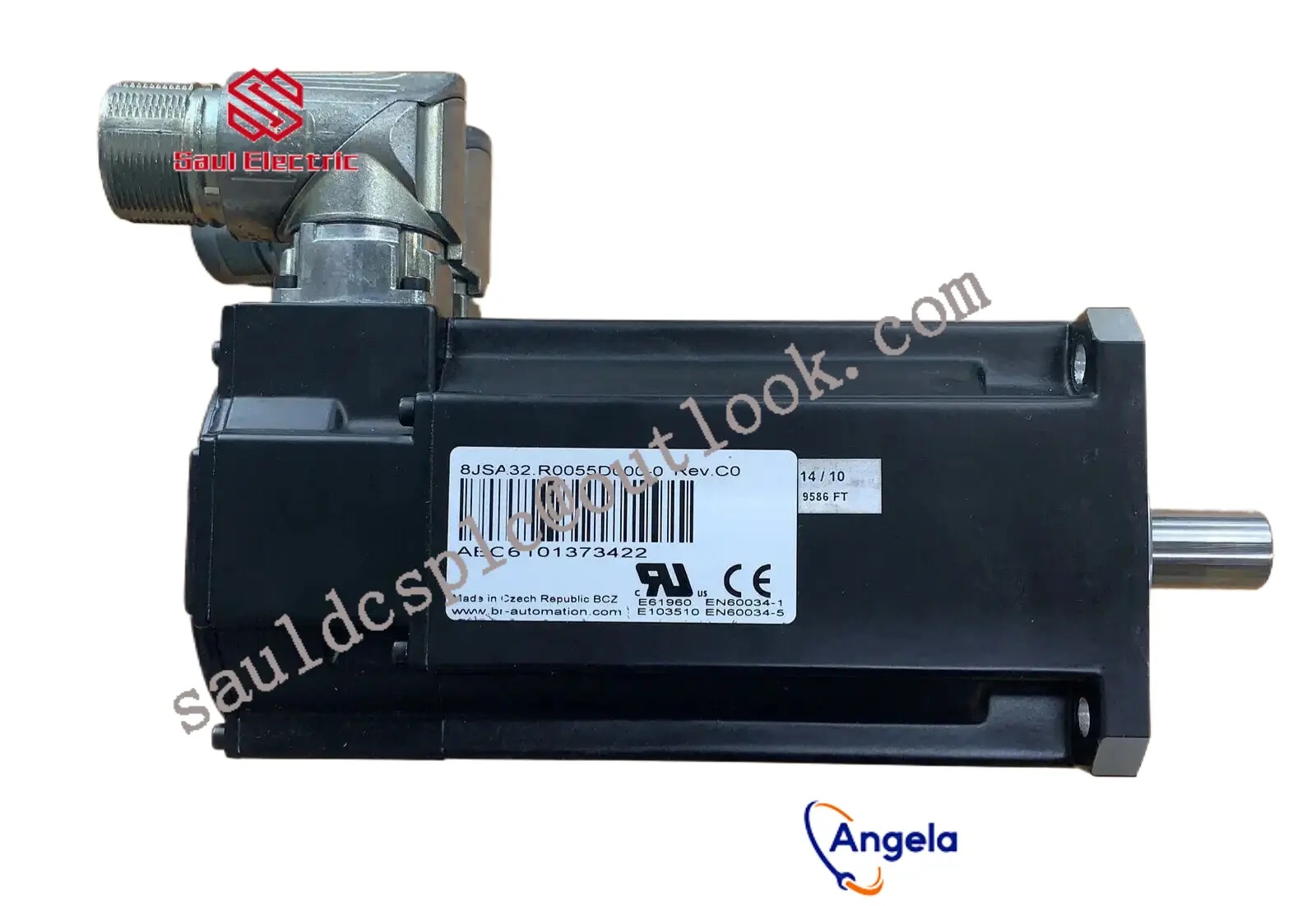
IV. Product Advantages
- Genuine Products: The 80MPH6.300S114-01 servo motor is manufactured in Austria, ensuring product quality and performance.
- Professional Services: B&R has a professional technical support and after-sales service team capable of providing timely and efficient technical support and solutions to users.
- Customization Options: B&R offers customized servo motor solutions to meet the specific needs of different users.
The following figure shows the general structure and comparison of three types of motors: stepper motor, brushed DC motor,
and brushless DC motor. The basic components of these motors are mainly coils, magnets, and rotors. In addition, due to different types,
they are divided into coil fixed type and magnet fixed type.
The following is a structural explanation related to the example diagram. Due to the possibility of other structures being present in a more
detailed division, please understand that the structure introduced in this article is within the larger framework.
The coil of the stepper motor here is fixed on the outside, and the magnet rotates on the inside.
The magnet of the brushed DC motor here is fixed on the outside, and the coil rotates on the inside.
The electric brush and commutator are responsible for supplying power to the coil and changing the direction of current.
The coil of the brushless motor here is fixed on the outside, and the magnet rotates on the inside.
Due to the different types of motors, even if the basic components are the same, their structures may vary.
Detailed explanations will be provided in each section.
PART 05 Brushed Motor
Structure of brushed motor
The following is the appearance of a brushed DC motor commonly used in models, as well as an exploded schematic
diagram of a typical two pole (2 magnets) three slot (3 coils) motor. Perhaps many people have experience dismantling motors and taking out magnets.
It can be seen that the permanent magnet of the brushed DC motor is fixed, and the coil of the brushed DC motor can rotate
around the internal center. The fixed side is called the “stator”, and the rotating side is called the “rotor”.
The following is a structural diagram representing the concept of structure.
There are three commutators (bent metal plates used for current switching) on the periphery of the rotating central axis.
To avoid contact with each other, the commutator is configured with a spacing of 120 ° (360 ° ÷ 3 pieces) between them. The commutator rotates with the rotation of the shaft.
A commutator is connected with one coil end and another coil end, and three commutators and three coils form a circuit network as a whole (ring).
Two electric brushes are fixed at 0 ° and 180 ° to make contact with the commutator. The external DC power supply
is connected to the brush, and the current flows along the path of brush → commutator → coil → brush.
The rotation principle of brushed motors