


Description
I. Brand Background
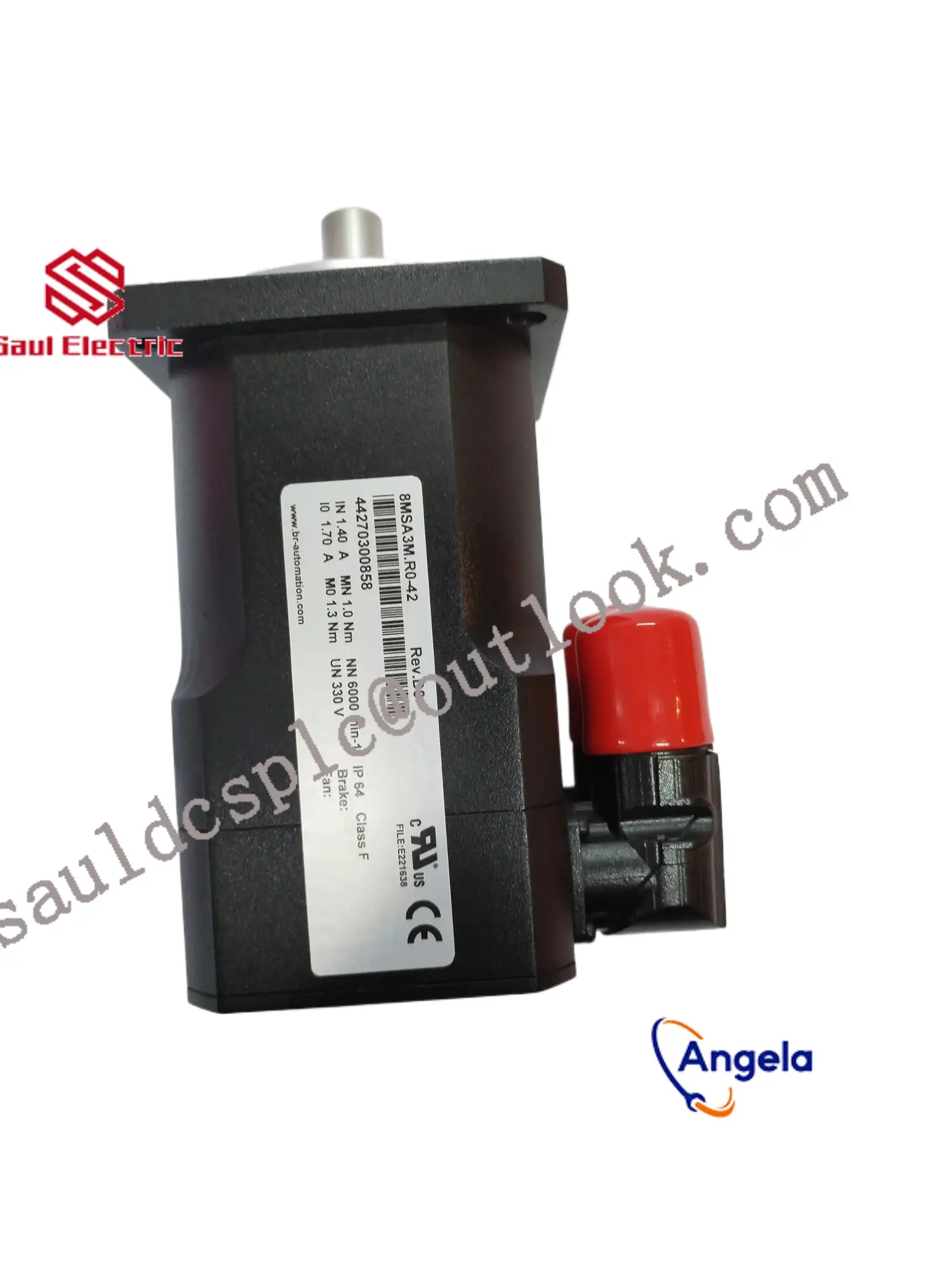
II. Product Features
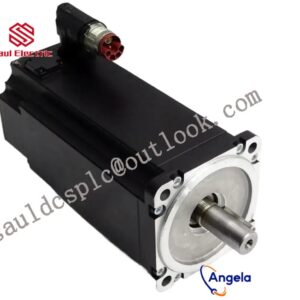
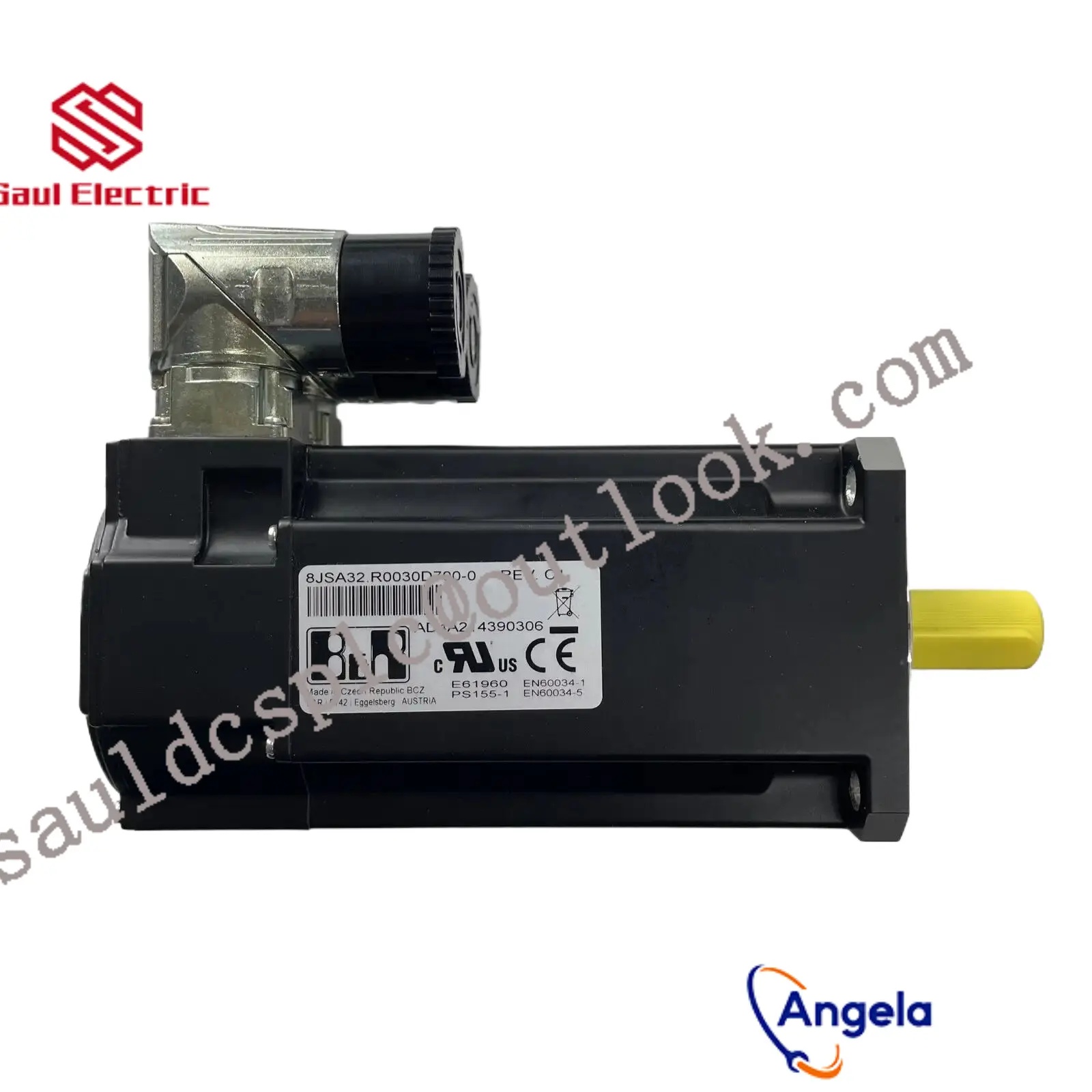
- High Performance: The 80MPD3.300S000-01 servo motor offers high precision, rapid response, and excellent stability, meeting the demands of various complex automation applications.
- Integrated Safety Technology: B&R”s servo motors incorporate advanced safety technologies, such as the openSAFETY standard,
- ensuring the safety of operators while supporting machine functionality. This safety technology adapts to changing configurations and operates reliably worldwide.
- Easy Management: With intelligent safety response capabilities, the 80MPD3.300S000-01 servo motor simplifies machine option management without compromising safety levels.
- This helps reduce downtime risks and enhance production efficiency.
- Networked Collaboration: B&R”s integrated, networked safety technology enables coordinated responses to safety events across the entire production line.
- The use of safety standards like openSAFETY ensures secure communication and interoperability between devices from different manufacturers.
- Powerful Software Support: B&R”s Automation Studio software development platform provides robust support for configuring, commissioning,
- and maintaining servo motors. Users can easily accomplish various automation tasks through this platform.
III. Application Areas
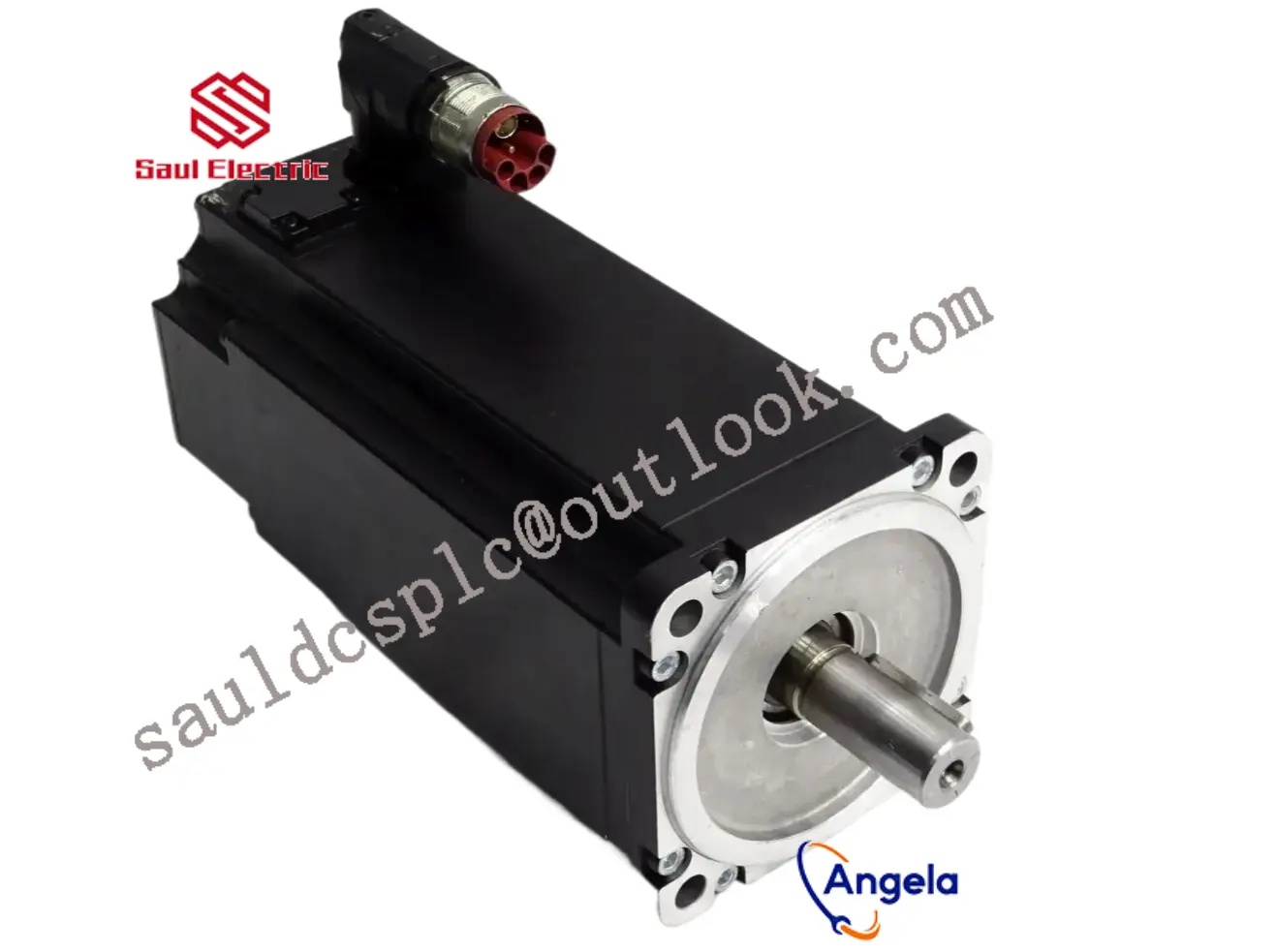
IV. Product Advantages
- Genuine Products: The 80MPD3.300S000-01 servo motor is manufactured in Austria, ensuring product quality and performance.
- Professional Services: B&R has a professional technical support and after-sales service team capable of providing timely and efficient technical support and solutions to users.
- Customization Options: B&R offers customized servo motor solutions to meet the specific needs of different users.
A stepper motor is an open-loop control element that converts electrical pulse signals into angular displacement or linear displacement. In non overloaded situations,
the speed and stopping position of the motor depend only on the frequency and number of pulses of the pulse signal, and are not affected by
load changes. When the stepper driver receives a pulse signal, it drives the stepper motor to rotate a fixed angle in the set direction,
called the “step angle”, and its rotation runs step by step at a fixed angle. By controlling the number of pulses, the angular displacement can
be controlled to achieve accurate positioning; At the same time, the speed and acceleration of the motor can be controlled by controlling the pulse frequency,
thus achieving the purpose of speed regulation.
servo motor
Servo motor, also known as actuator motor, is used as an actuator in automatic control systems to convert received electrical signals into angular displacement
or angular velocity output on the motor shaft. It is divided into two categories: DC and AC servo motors. Its main feature is that when the signal voltage is zero,
there is no self rotation phenomenon, and the speed decreases uniformly with the increase of torque.
Servo motors mainly rely on pulses for positioning. Basically, it can be understood as follows: when a servo motor receives one pulse,
it will rotate the corresponding angle of one pulse to achieve displacement. Because servo motors themselves have the function of emitting pulses,
every time they rotate an angle, they will emit a corresponding number of pulses. This forms a response or closed loop with the pulses received by the servo motor.
In this way, the system will know how many pulses have been sent to the servo motor and how many pulses have been received back. In this way,
the rotation of the motor can be accurately controlled to achieve precise positioning, which can reach 0.001mm.
DC servo motors are divided into brushed and brushless motors. Brushed motors have low cost, simple structure, large starting torque, wide speed range, easy control,
and require maintenance. However, maintenance is inconvenient (such as replacing carbon brushes) and can generate electromagnetic interference,
which has environmental requirements. Therefore, it can be used in cost sensitive general industrial and civilian applications.