


Description
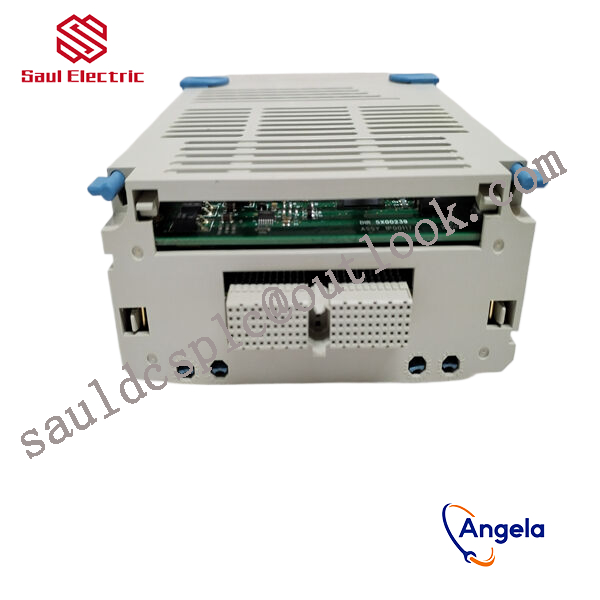
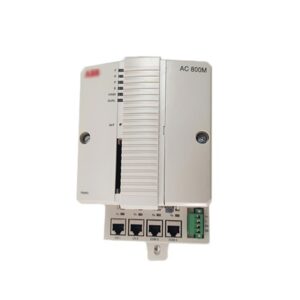
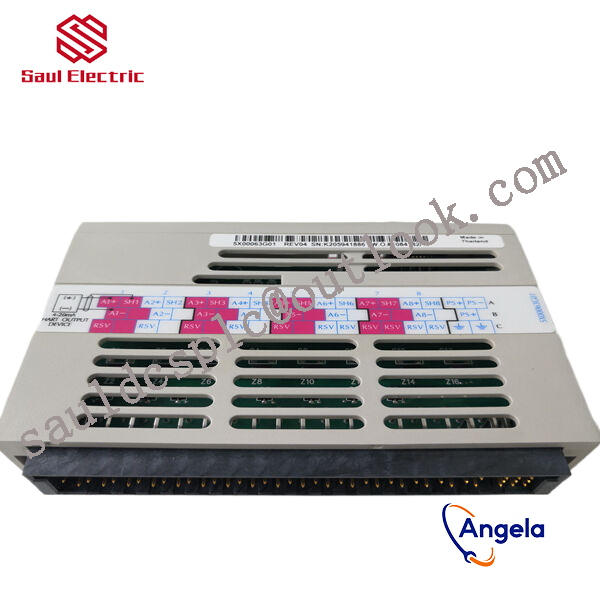
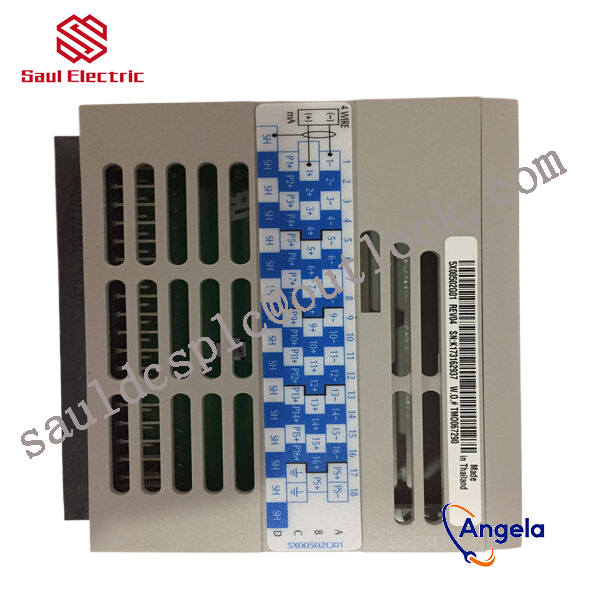
5X00226G02 Emerson Ovation Electromagnetic Output
thereby controlling external devices or circuits.
The development process of CPU controllers can be divided into the following stages:
(1) Early CPUs, such as the Intel 4004, used a 4-bit data bus with a clock frequency of 740kHz and integrated 2300 transistors.
(2) 16 bit CPU: such as Intel 8086, using a 16 bit data bus, with a main frequency of 4.77MHz, and integrating 29000 transistors.
(3) 32-bit CPU: such as Intel 80386, using 32-bit data bus, with a main frequency of 12MHz, integrated with 275000 transistors.
(4) Superscalar CPU: such as Intel Pentium, which adopts superscalar architecture and can execute multiple instructions simultaneously, improving computational efficiency.
(5) Multi core CPU: such as Intel Core i7, which adopts a multi-core architecture and can execute multiple programs simultaneously, improving computing power.
(6) Heterogeneous computing: such as Intel Xeon Phi, which integrates CPU and GPU, can achieve heterogeneous computing and improve computing performance.
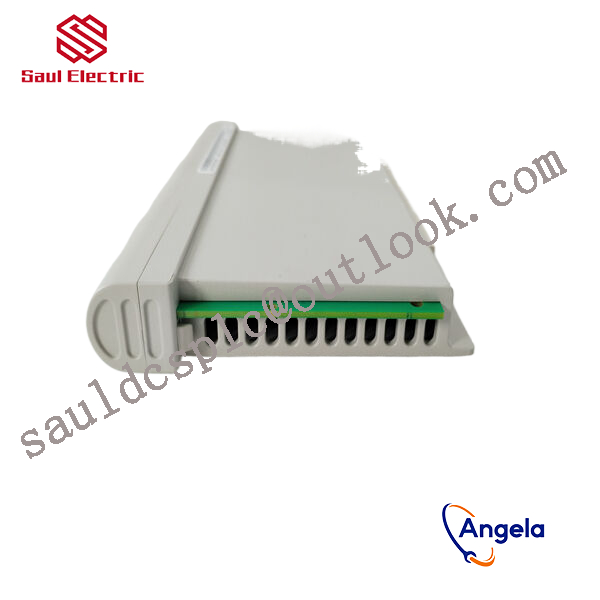
responsible for processing signals from on-site sensors or driving actuator actions. For example, they may need to cooperate with devices such
as BANNER travel switch T30UIPB to receive their transmitted position signals; Or by controlling components such as Burkert solenoid valve 00131421, the on/off of fluid media can be precisely managed.
these modules integrate more complex logic processing capabilities. The core task of a pressure switch is to detect whether the pressure
has reached a preset threshold and output a switch signal. Its function is highly specific and fixed. And modules 5X00226G02 and 1
C31219G01 have the ability to comprehensively judge multiple such switch signals and transmitter signals (such as transmitter 1066-P-HT-60),
and output complex control instructions according to internal logic.