


Description
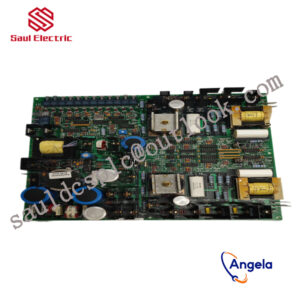
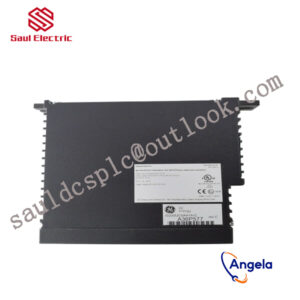
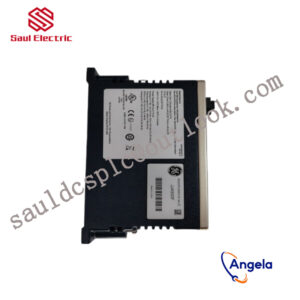
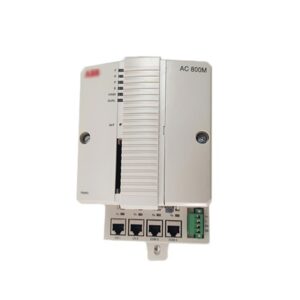
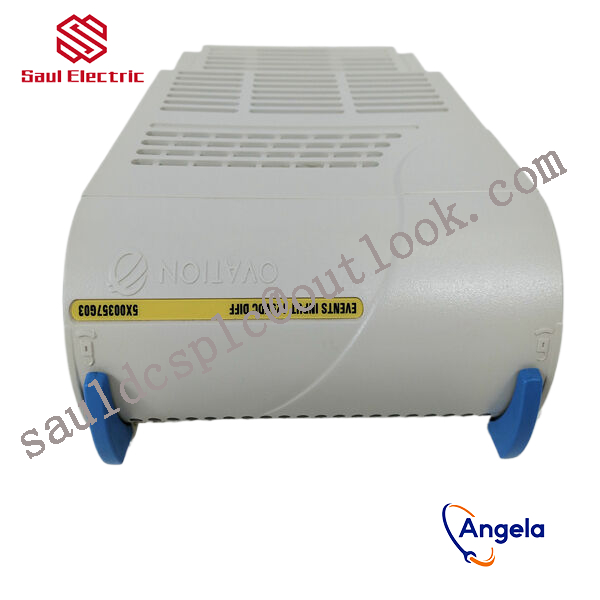
1C31222G01 Emerson redundant system output module
thereby controlling external devices or circuits.

You can see that there are 14 instructions related to I/O pins in BS-1. The reason for emphasizing this point is that the input-output pins are the only way for BASIC Stamp to communicate with the outside world. BS-1 has 8 input/output pins (numbered 0 to 7), and BS-2 has 16 input/output pins (numbered 0 to 15).
These input and output pins are bidirectional, which means that input values can be read from the pins and output through the pins. The easiest way to send values to a pin is to use the HIGH or LOW command. Using the statement ‘high 3’ can emit a 1 (+5 volts) on pin 3, while using ‘LOW’ will emit a 0 (ground). The third pin here can be selected arbitrarily – you can output level signals to any pin from 0 to 7.
There are many interesting instructions about input and output pins. For example, if you follow the POT instruction to connect a capacitor in parallel across a potentiometer (variable resistor), the POT instruction can read the potentiometer settings. PWM commands can emit modulation signals with pulse width. Adding control and driver functions to Stamps is much easier with instructions like this. For detailed information about language, please refer to the documentation. In addition, books such as Scott Edward’s Programming and Customizing the BASIC Stamp Computer, which contain a large number of example projects, are also extremely beneficial.
Practical operation of BASIC Stamp
If you want to actually operate BASIC Stamp, it is very easy to get started. All you need is a desktop computer and a BASIC Stamp starter kit. The introductory toolkit includes a Stamp microcontroller, programming cable, and an application running on a desktop computer that downloads BASIC programs into Stamp.
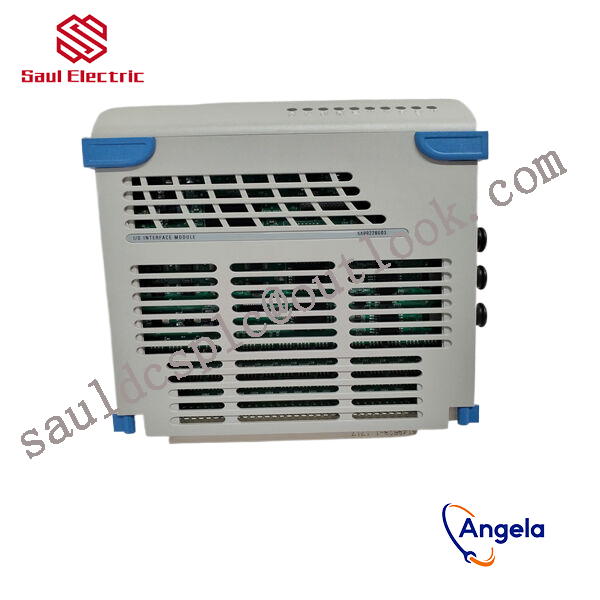
responsible for processing signals from on-site sensors or driving actuator actions. For example, they may need to cooperate with devices such
as BANNER travel switch T30UIPB to receive their transmitted position signals; Or by controlling components such as Burkert solenoid valve 00131421, the on/off of fluid media can be precisely managed.
these modules integrate more complex logic processing capabilities. The core task of a pressure switch is to detect whether the pressure
has reached a preset threshold and output a switch signal. Its function is highly specific and fixed. And modules 1C31222G01 and 1
C31219G01 have the ability to comprehensively judge multiple such switch signals and transmitter signals (such as transmitter 1066-P-HT-60),
and output complex control instructions according to internal logic.