


Description
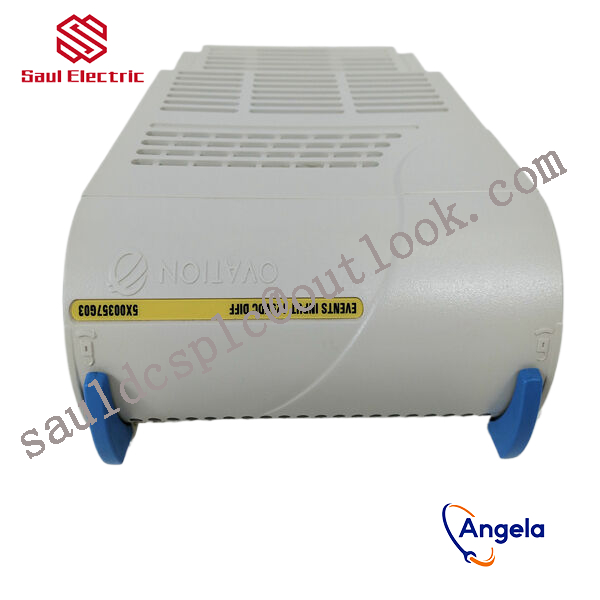
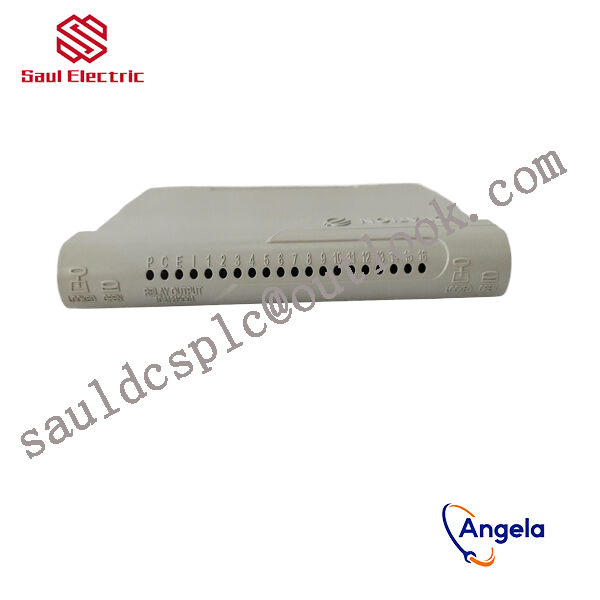
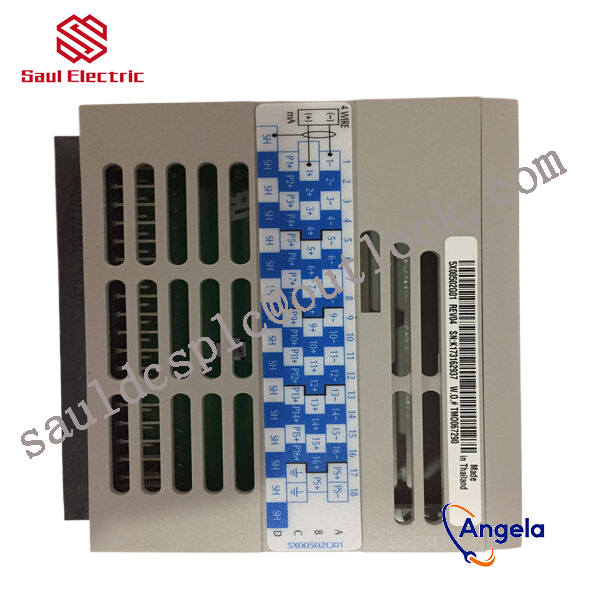
1C31164G02 New Emerson Ovation DCS Card
thereby controlling external devices or circuits.
The regulation of current controllers is a crucial link in electronic devices and power systems. Correctly adjusting the current controller can not only ensure the normal operation of the equipment, but also improve the efficiency and stability of the system. Below, we will explore in detail the adjustment methods of current controllers and explain them in conjunction with specific application scenarios.
1、 Basic principles
The main function of a current controller is to regulate the current in the circuit to reach a predetermined value or meet specific control requirements. Its working principle is usually based on feedback control principle, which compares the difference between the actual current and the set current, and adjusts the control signal accordingly to achieve the purpose of controlling the current. Current controllers can be widely used in various fields such as electric vehicles, industrial equipment, household appliances, and electronic musical instruments.
2、 Adjustment method
1. Adjust the resistance
Resistance is one of the key factors affecting the magnitude of current in a circuit. By changing the size of the resistor, it is easy to adjust the current in the circuit. In practical operation, current regulation can be achieved by rotating the potentiometer or replacing resistors with different resistance values. It should be noted that when adjusting the resistance, the parameters of other components in the circuit should be considered to ensure the stability and safety of the circuit.
2. Adjust the capacitor
The size of the capacitor also affects the current in the circuit. In some circuits, the charging and discharging process of capacitors can affect the waveform and magnitude of the current. Therefore, by replacing capacitors of different capacities or adjusting the voltage of capacitors, it is also possible to adjust the current. However, the adjustment of capacitors usually requires a deeper understanding of the circuit to ensure that it does not introduce unnecessary interference or affect the stability of the circuit.
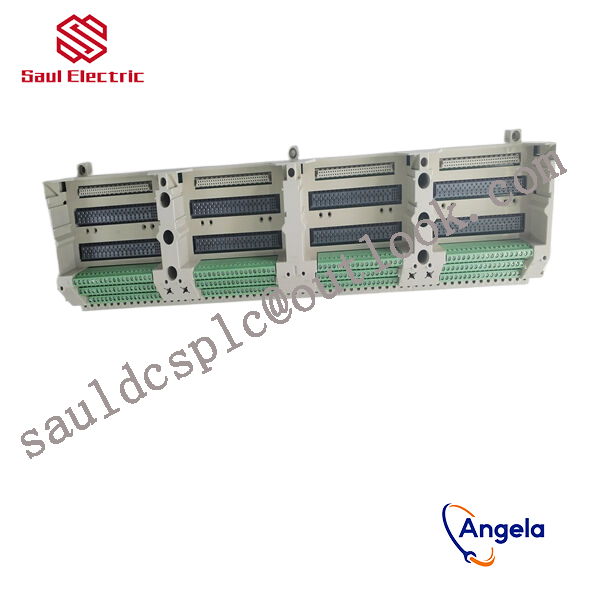
responsible for processing signals from on-site sensors or driving actuator actions. For example, they may need to cooperate with devices such
as BANNER travel switch T30UIPB to receive their transmitted position signals; Or by controlling components such as Burkert solenoid valve 00131421, the on/off of fluid media can be precisely managed.
these modules integrate more complex logic processing capabilities. The core task of a pressure switch is to detect whether the pressure
has reached a preset threshold and output a switch signal. Its function is highly specific and fixed. And modules 1C31164G02 and 1
C31219G01 have the ability to comprehensively judge multiple such switch signals and transmitter signals (such as transmitter 1066-P-HT-60),
and output complex control instructions according to internal logic.