


Description
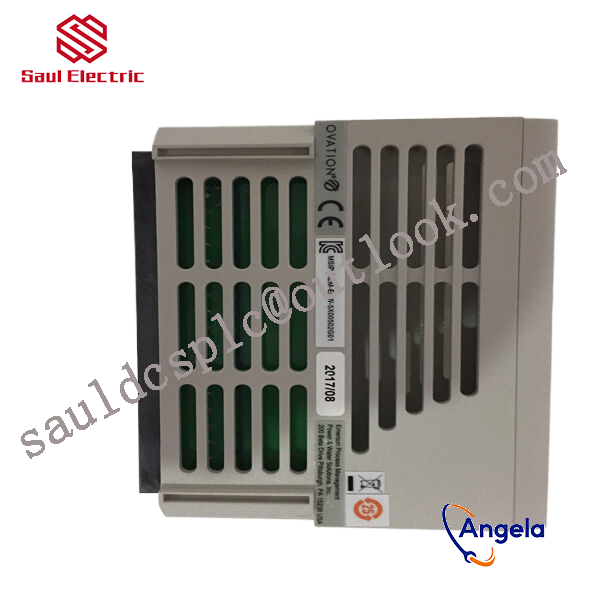
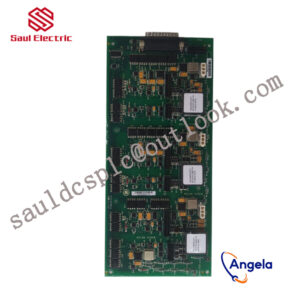
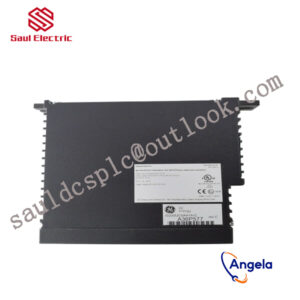
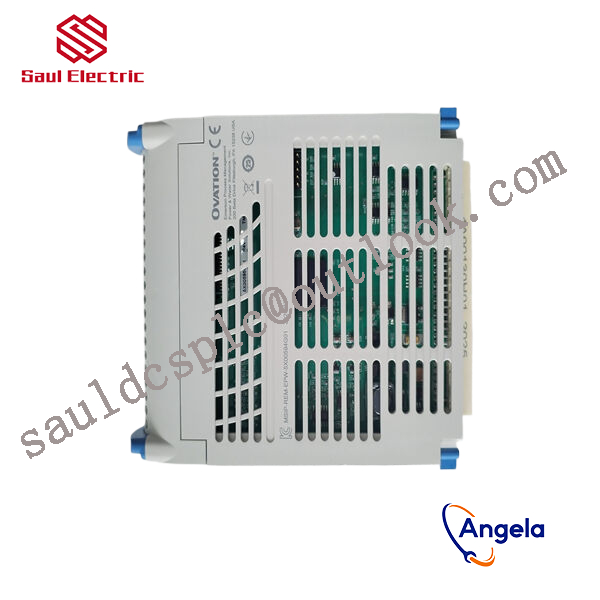
1C31147G01 Relay output logic module Emerson
thereby controlling external devices or circuits.
Due to the wide variety of models and types of stepper motors and drivers, users should have certain considerations when choosing, so as to choose the products they need with the best performance and lowest price.
1. Firstly, determine the torque required for the stepper motor to drive the load.
The simplest method is to add a lever on the load shaft, pull the lever with a spring scale, and multiply the tension by the length of the force arm to obtain the load torque. Or theoretically calculated based on load characteristics.
Due to the fact that stepper motors are control motors, the maximum torque of commonly used stepper motors currently does not exceed 45Nm. The higher the torque, the higher the cost. If the torque of the motor you choose is large or exceeds this range, you can consider adding a reduction device.
2. Determine the maximum operating speed of the stepper motor.
The speed index is crucial in the selection of stepper motors. The characteristic of stepper motors is that as the motor speed increases, the torque decreases, and the speed of its decrease is related to many parameters, such as the driving voltage of the driver, the phase current of the motor, the phase inductance of the motor, the size of the motor, etc. The general rule is that the higher the driving voltage, the slower the torque decrease; The larger the phase current of the motor, the slower the torque decrease. When designing the scheme, www.diangon.com should control the motor speed within 600 rpm or 800 rpm. However, this statement is not standardized and can be referred to in the ‘Torque Frequency Characteristics’.
3. Based on the two important indicators of maximum torque and maximum speed of the load, and referring to the ‘Torque Frequency Characteristics’, one can choose a suitable stepper motor for oneself. If you think the motor you have chosen is too large, you can consider adding and reducing devices, which can save costs and make your design more flexible. To choose a suitable reduction ratio, it is necessary to comprehensively consider the relationship between torque and speed and select the best solution.
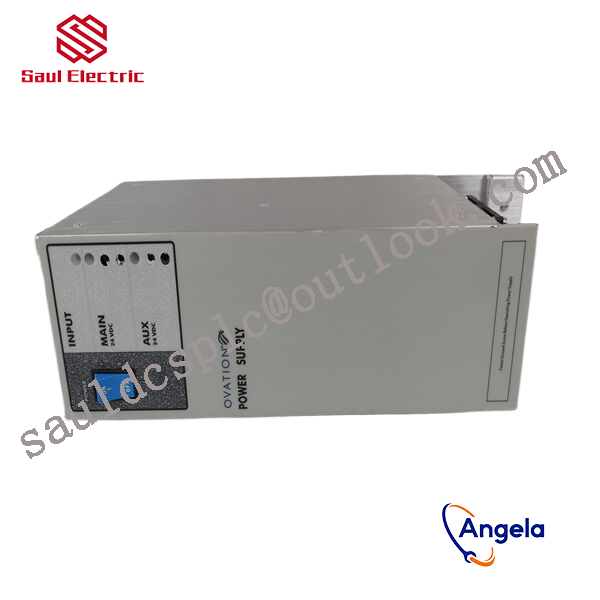
responsible for processing signals from on-site sensors or driving actuator actions. For example, they may need to cooperate with devices such
as BANNER travel switch T30UIPB to receive their transmitted position signals; Or by controlling components such as Burkert solenoid valve 00131421, the on/off of fluid media can be precisely managed.
these modules integrate more complex logic processing capabilities. The core task of a pressure switch is to detect whether the pressure
has reached a preset threshold and output a switch signal. Its function is highly specific and fixed. And modules 1C31147G01 and 1
C31219G01 have the ability to comprehensively judge multiple such switch signals and transmitter signals (such as transmitter 1066-P-HT-60),
and output complex control instructions according to internal logic.