


Description
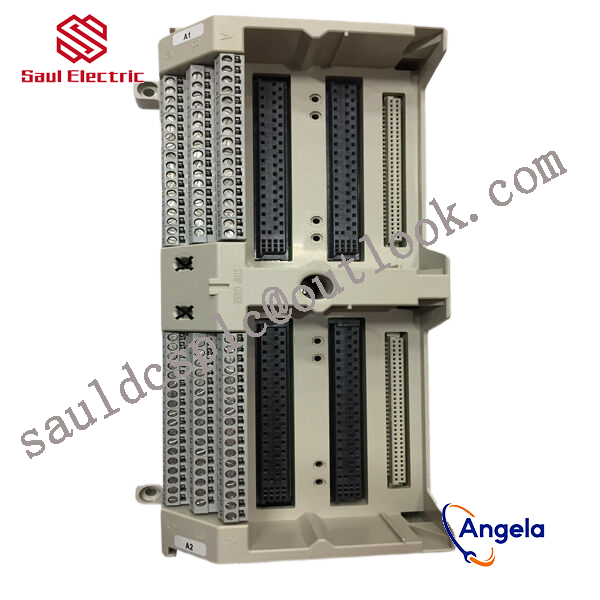
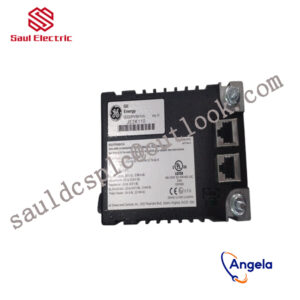
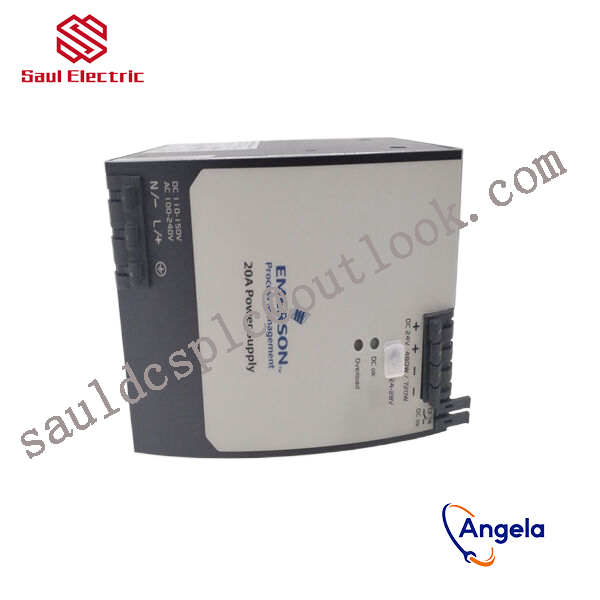
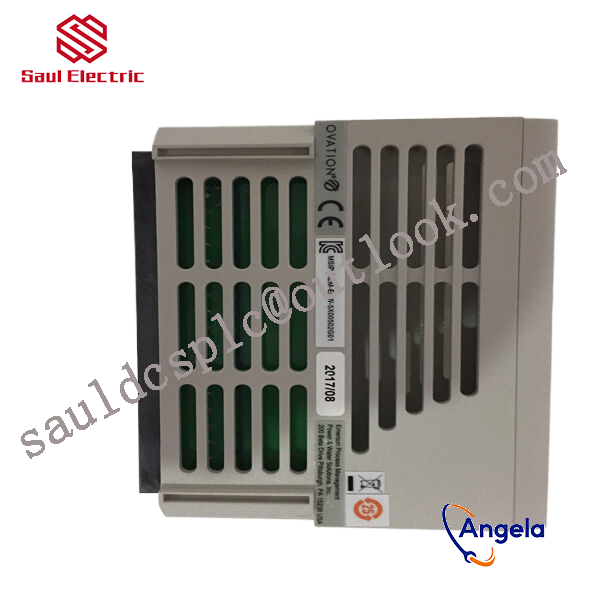
1C31129G03 Emerson redundant system output module
thereby controlling external devices or circuits.
Speed regulation method for stepper motor driver
With the rapid development of power electronics technology, the performance indicators of variable frequency speed regulation can fully reach or even exceed those of DC motor speed regulation systems. The stepper motor driver adjusts the speed of the stepper motor by adjusting the pulse frequency of the input driver and the subdivision parameters of the driver, which is actually controlling the number of steps of the stepper motor per unit time.
1、 Changing the number of pole pairs for speed regulation: Advantages: ① No additional slip loss, high efficiency; ② The control circuit is simple, easy to maintain, and has a low price; ③ Cooperating with stator voltage regulation or electromagnetic differential clutch can achieve smooth speed regulation with high efficiency. Disadvantages: Stepwise speed regulation cannot achieve seamless speed regulation, and due to limitations in motor structure and manufacturing processes, only 2-3 pole pairs of stepped speed regulation can usually be achieved, with a relatively limited speed range.
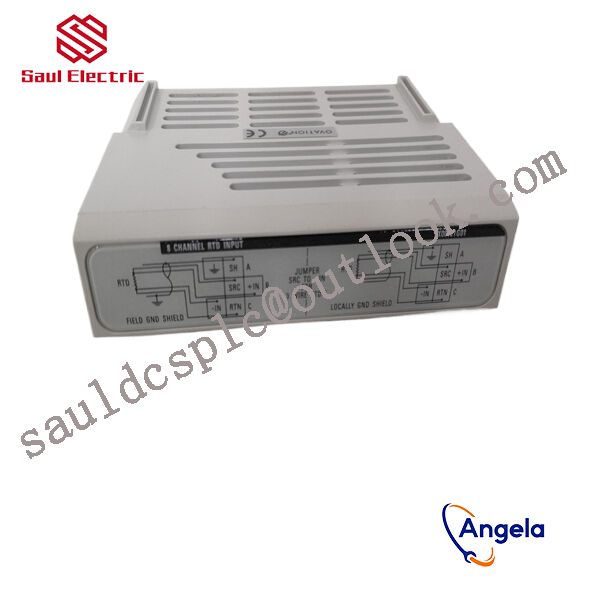
responsible for processing signals from on-site sensors or driving actuator actions. For example, they may need to cooperate with devices such
as BANNER travel switch T30UIPB to receive their transmitted position signals; Or by controlling components such as Burkert solenoid valve 00131421, the on/off of fluid media can be precisely managed.
these modules integrate more complex logic processing capabilities. The core task of a pressure switch is to detect whether the pressure
has reached a preset threshold and output a switch signal. Its function is highly specific and fixed. And modules 1C31129G03 and 1
C31219G01 have the ability to comprehensively judge multiple such switch signals and transmitter signals (such as transmitter 1066-P-HT-60),
and output complex control instructions according to internal logic.