


Description
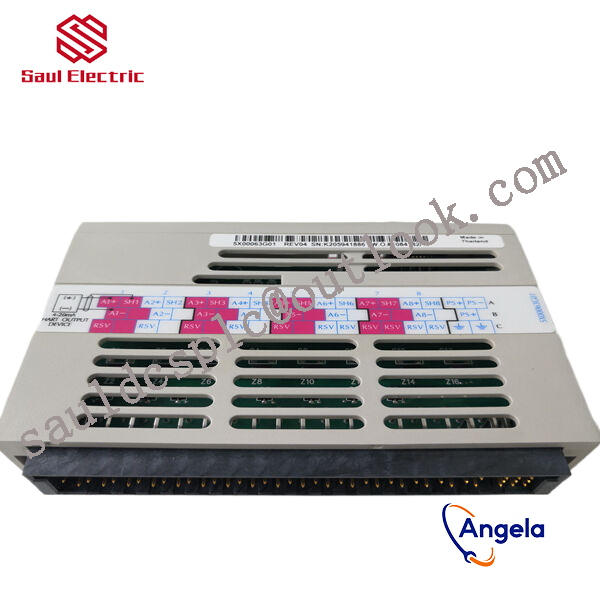
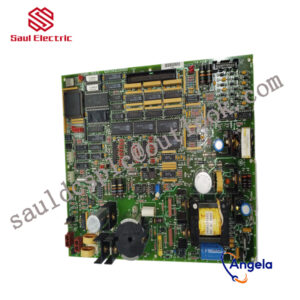
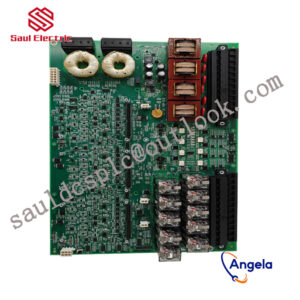
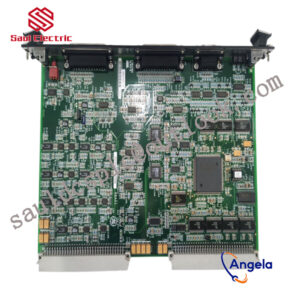
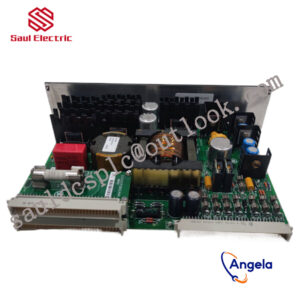
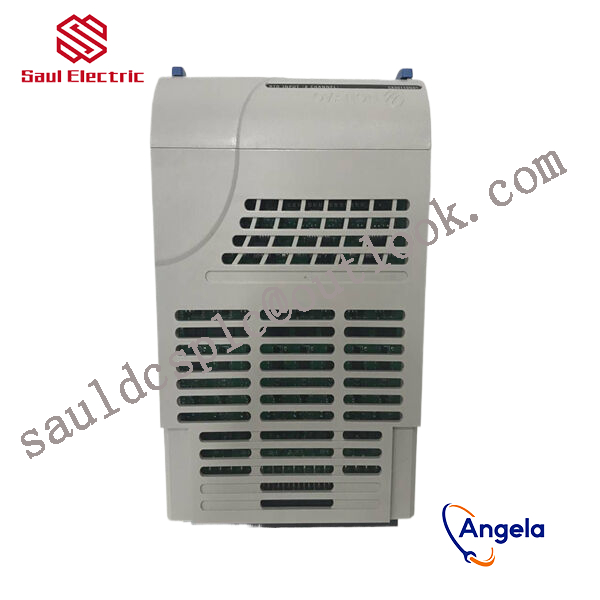
1C31113G04 Emerson redundant system output module
thereby controlling external devices or circuits.
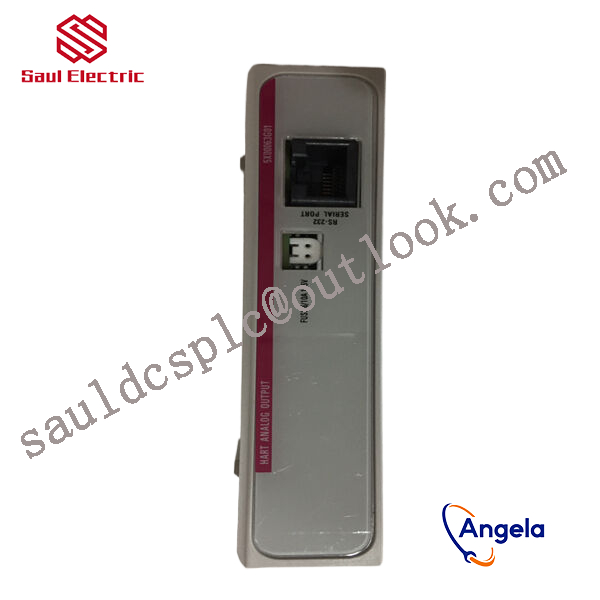
Programmable logic controller is a digital operational electronic system specifically designed for use in industrial environments. It uses a programmable memory to store instructions for performing logical operations, sequential control, timing, counting, and arithmetic operations internally, and controls various types of mechanical equipment or production processes through digital or analog input and output.
5. Characteristics of PLC
(1) High reliability. Due to the use of single-chip microcomputers in most PLCs, the integration level is high, coupled with corresponding protection circuits and self diagnostic functions, which improves the reliability of the system.
(2) Programming is easy. PLC programming often uses relay control ladder diagrams and command statements, which are much fewer in number than microcomputer instructions. Except for medium and high-end PLCs, general small PLCs only have about 16 instructions. Due to its visual and simple appearance, ladder diagrams are easy to master, convenient to use, and even do not require computer expertise for programming.
(3) Flexible configuration. Due to the modular structure adopted by PLC, users only need to combine them easily to flexibly change the functions and scale of the control system, making it applicable to any control system.
(4) The input/output function modules are complete. One of the major advantages of PLC is that it has corresponding templates for different field signals (such as DC or AC, switch values, digital or analog values, voltage or current, etc.), which can be directly connected to industrial devices (such as buttons, switches, sensing current transmitters, motor starters or control valves, etc.) and connected to the CPU motherboard through a bus.
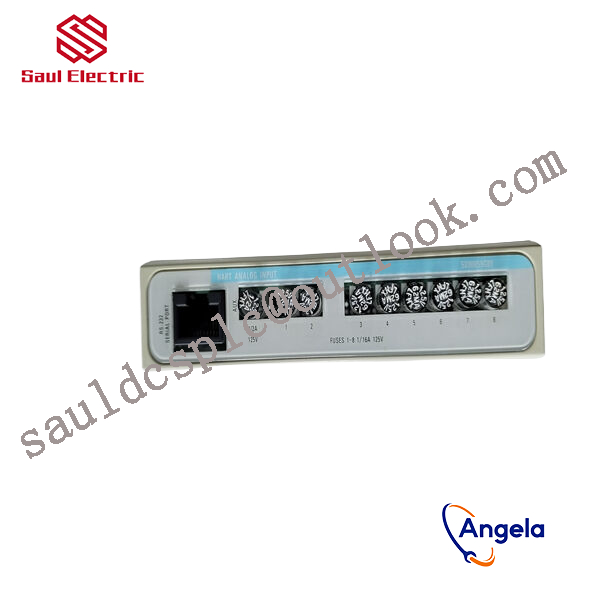
responsible for processing signals from on-site sensors or driving actuator actions. For example, they may need to cooperate with devices such
as BANNER travel switch T30UIPB to receive their transmitted position signals; Or by controlling components such as Burkert solenoid valve 00131421, the on/off of fluid media can be precisely managed.
these modules integrate more complex logic processing capabilities. The core task of a pressure switch is to detect whether the pressure
has reached a preset threshold and output a switch signal. Its function is highly specific and fixed. And modules 1C31113G04 and 1
C31219G01 have the ability to comprehensively judge multiple such switch signals and transmitter signals (such as transmitter 1066-P-HT-60),
and output complex control instructions according to internal logic.