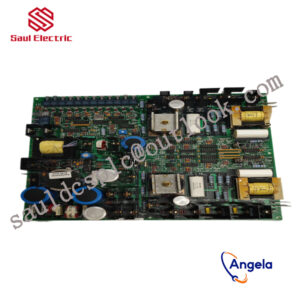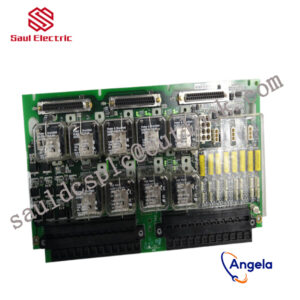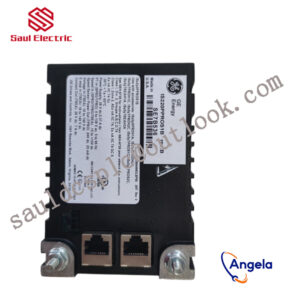



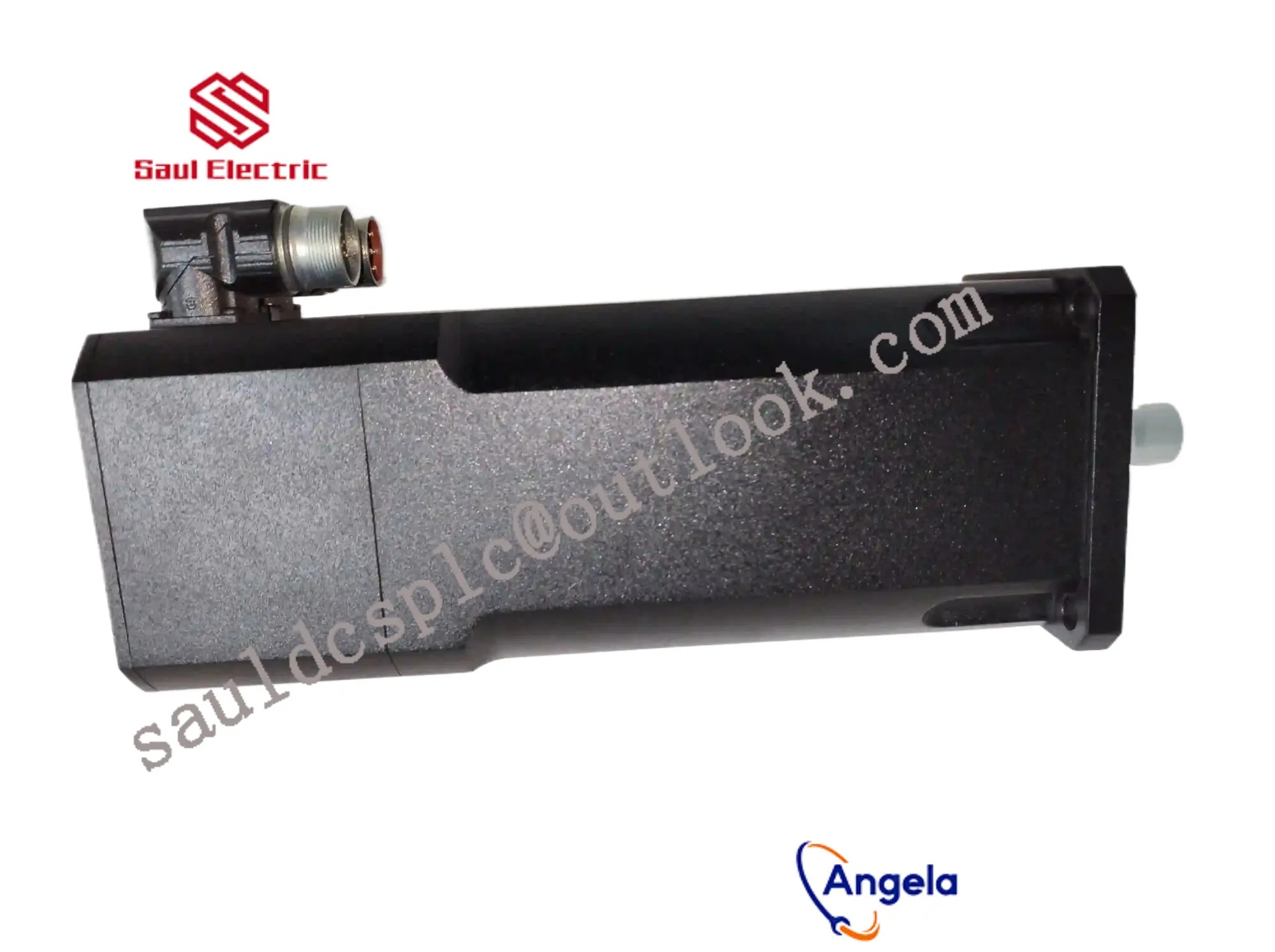
Description
I. Brand Background
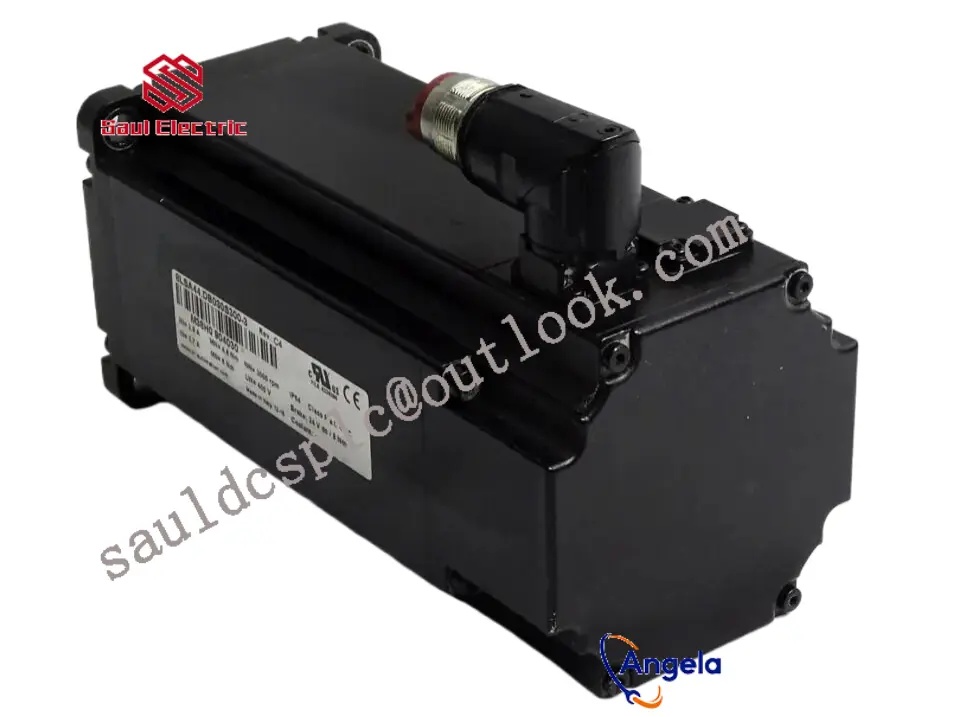
II. Product Features
- High Performance: The 8LMA54.DB022CG00-0 servo motor offers high precision, rapid response, and excellent stability, meeting the demands of various complex automation applications.
- Integrated Safety Technology: B&R”s servo motors incorporate advanced safety technologies, such as the openSAFETY standard,
- ensuring the safety of operators while supporting machine functionality. This safety technology adapts to changing configurations and operates reliably worldwide.
- Easy Management: With intelligent safety response capabilities, the 8LMA54.DB022CG00-0 servo motor simplifies machine option management without compromising safety levels.
- This helps reduce downtime risks and enhance production efficiency.
- Networked Collaboration: B&R”s integrated, networked safety technology enables coordinated responses to safety events across the entire production line.
- The use of safety standards like openSAFETY ensures secure communication and interoperability between devices from different manufacturers.
- Powerful Software Support: B&R”s Automation Studio software development platform provides robust support for configuring, commissioning,
- and maintaining servo motors. Users can easily accomplish various automation tasks through this platform.
III. Application Areas
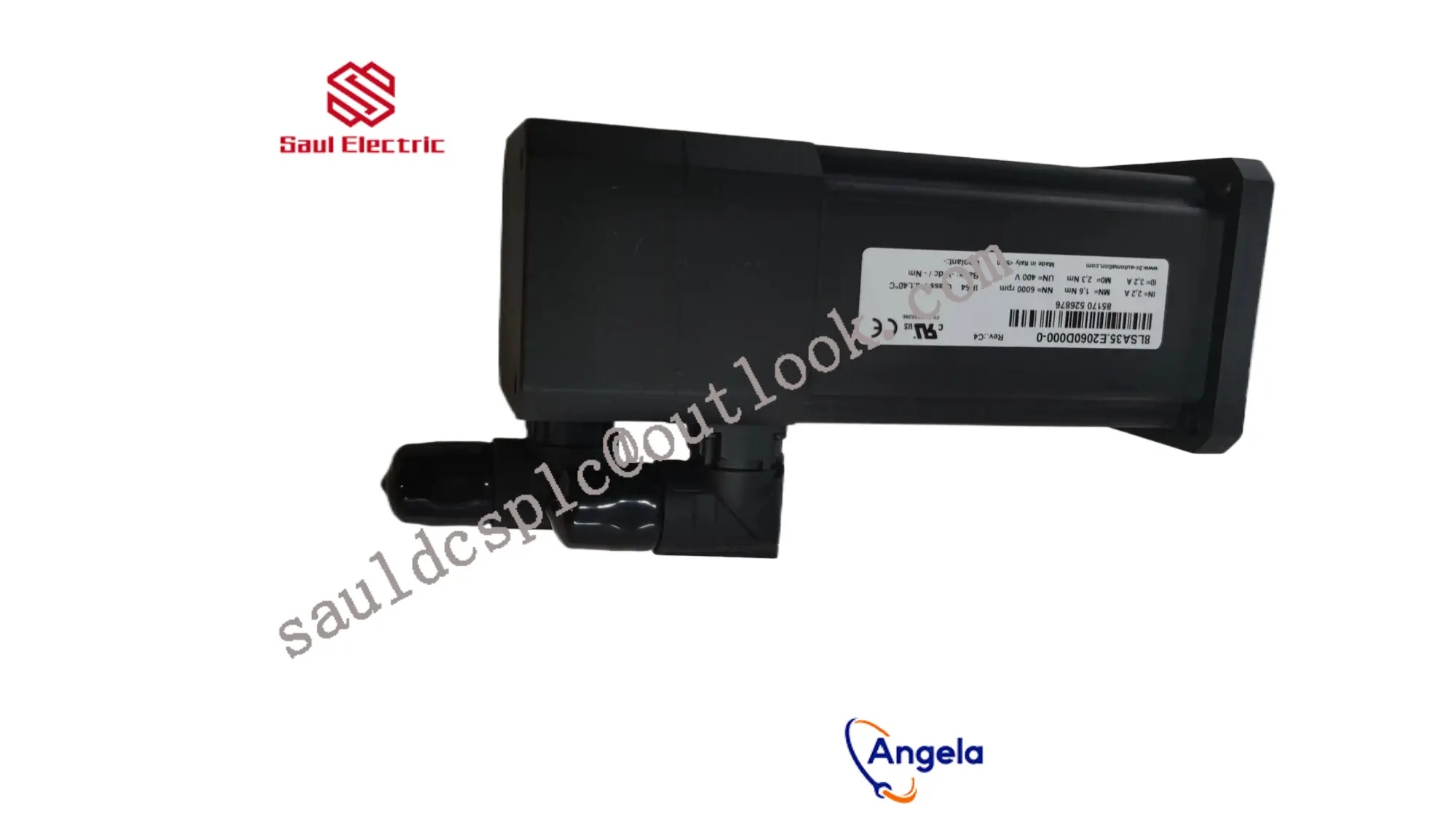
IV. Product Advantages
- Genuine Products: The 8LMA54.DB022CG00-0 servo motor is manufactured in Austria, ensuring product quality and performance.
- Professional Services: B&R has a professional technical support and after-sales service team capable of providing timely and efficient technical support and solutions to users.
- Customization Options: B&R offers customized servo motor solutions to meet the specific needs of different users.
What does variable frequency motor mean
Variable frequency motor refers to a motor that uses frequency conversion technology to control the motor speed. Frequency conversion technology uses
electronic devices to control the speed of motors, thereby achieving control over the speed, power, and efficiency of motors.
The variable frequency motor is a highly automated motor equipment composed of a dedicated variable frequency induction motor and a frequency converter for AC speed regulation. Currently,
this combination has completely replaced traditional mechanical and DC speed regulation schemes; With the amazing development of power electronics technology and microelectronics technology,
the use of “dedicated variable frequency induction motor+frequency converter” AC speed regulation method is leading a revolution in the field of speed regulation
that replaces traditional speed regulation methods with its excellent performance and economy.
Due to the unparalleled advantages in speed regulation and control of variable frequency motors, the degree of mechanical automation and production efficiency have been greatly
improved; EPS power supply, as a trend in the future development of frequency converter technology, has its own characteristics. However, due to the demand for high-speed or low-speed operation,
dynamic response of speed, etc. in the frequency conversion motor system, strict requirements will be put forward for the electric motor as the main power source,
which will bring innovation in various aspects such as electromagnetic, structural, and insulation to the frequency conversion motor. It can be said that due to the superiority of variable frequency motors
over ordinary motors in variable frequency control, we can easily see the presence of variable frequency motors wherever they are used.
How much energy does a variable frequency motor save compared to a regular motor
The fact that frequency converters can save electricity is undeniable. In some cases, they can save more than 40% of electricity, but in other cases,
they can be more wasteful than not connecting a frequency converter!
The frequency converter achieves energy saving through light load voltage reduction. As the speed of the load does not change much, even if the voltage is reduced, the energy
saving is very weak. However, when used in a fan environment, it is different. When a smaller air volume is required, the motor will reduce speed.
We know that the energy consumption of the fan is proportional to the power of 1.7 of the speed, so the motor”s torque will sharply decrease,
and the energy-saving effect is obvious. If we use it on oil wells, it will waste a lot of electricity and even more electricity due to the use of braking resistors on the return trip.
Of course, if the environment requires speed regulation, the energy-saving effect of frequency converters is still quite significant. In situations
where there is no speed regulation, the frequency converter will not save power, only improve the power factor.
1. If two identical motors work at 50HZ power frequency, one uses a frequency converter and the other does not, and the speed and torque
are both at the rated state of the motor, can the frequency converter save power? How much can be saved?
Answer: In this case, the frequency converter can only improve the power factor and cannot save electricity.
2. If the torque of these two motors does not reach the rated torque state of the motors (with the same frequency and speed of 50HZ), how much electricity can the one with a frequency converter save?
Answer: If automatic energy-saving operation is used, the frequency converter can operate at reduced voltage at this time, which can save some electricity, but the power saving is not significant.
3. Under the same conditions, how much can be saved in the unloaded state, and which of these three states saves more?
Answer: Dragging type loads in an unloaded state cannot save much electricity.