


Description
I. Brand Background
II. Product Features
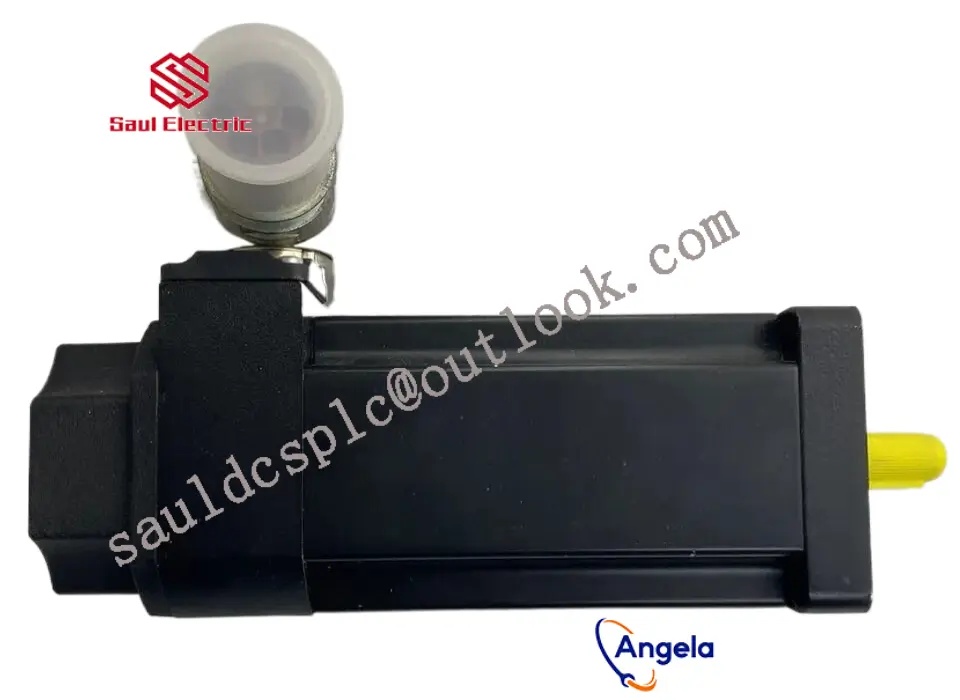
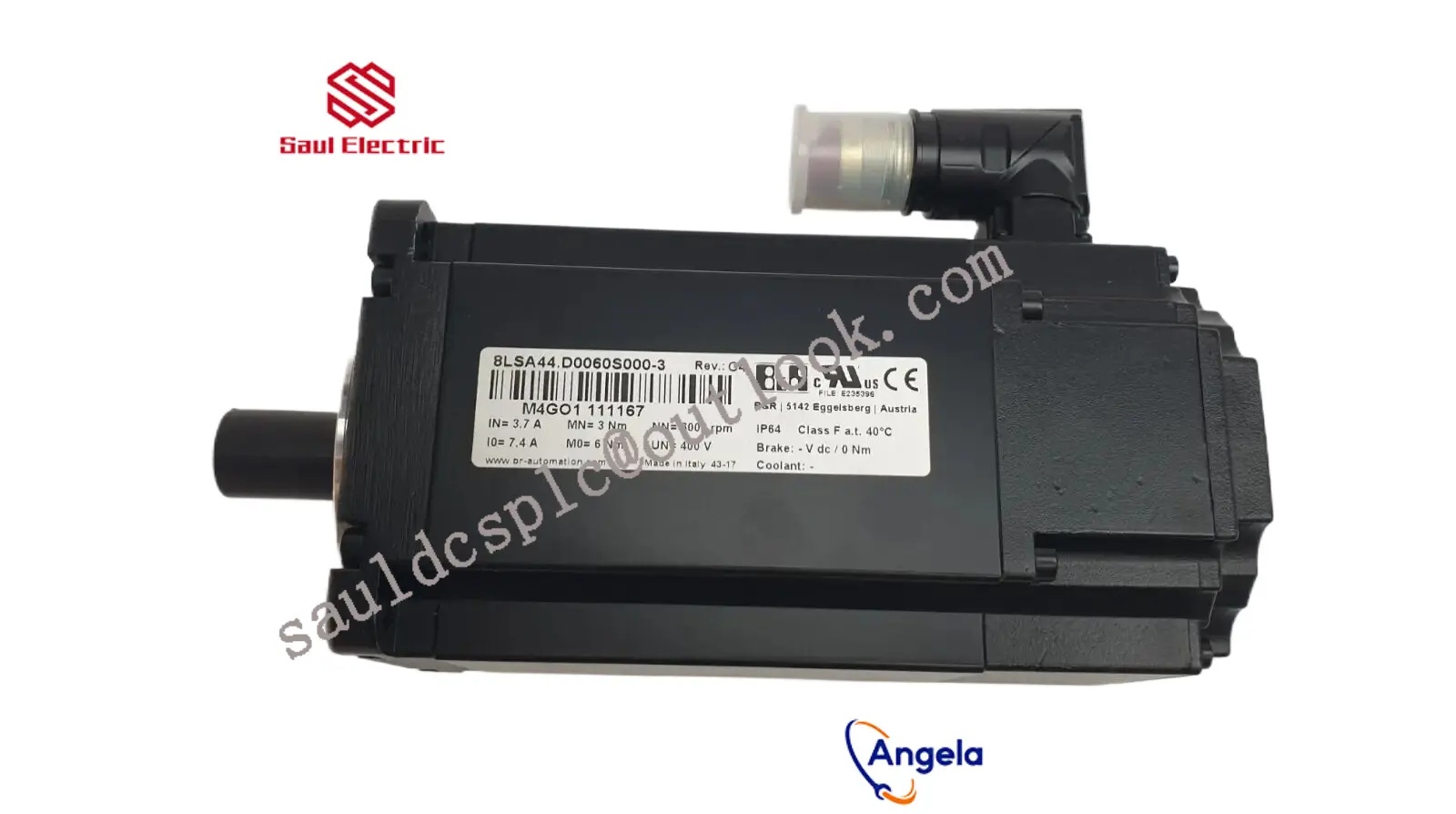
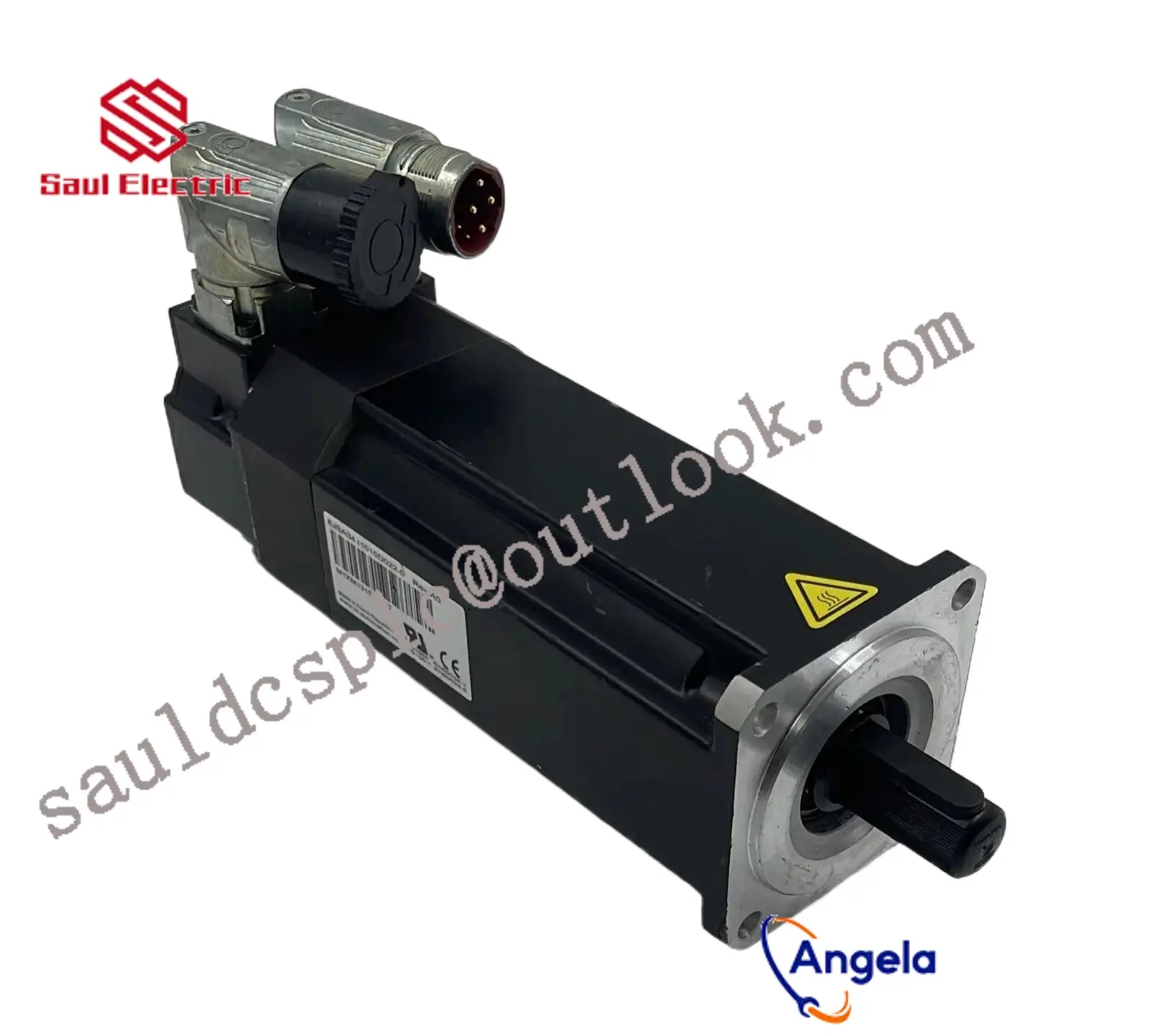
- High Performance: The 8DI450.DB0227200-1 servo motor offers high precision, rapid response, and excellent stability, meeting the demands of various complex automation applications.
- Integrated Safety Technology: B&R”s servo motors incorporate advanced safety technologies, such as the openSAFETY standard,
- ensuring the safety of operators while supporting machine functionality. This safety technology adapts to changing configurations and operates reliably worldwide.
- Easy Management: With intelligent safety response capabilities, the 8DI450.DB0227200-1 servo motor simplifies machine option management without compromising safety levels.
- This helps reduce downtime risks and enhance production efficiency.
- Networked Collaboration: B&R”s integrated, networked safety technology enables coordinated responses to safety events across the entire production line.
- The use of safety standards like openSAFETY ensures secure communication and interoperability between devices from different manufacturers.
- Powerful Software Support: B&R”s Automation Studio software development platform provides robust support for configuring, commissioning,
- and maintaining servo motors. Users can easily accomplish various automation tasks through this platform.
III. Application Areas
IV. Product Advantages
- Genuine Products: The 8DI450.DB0227200-1 servo motor is manufactured in Austria, ensuring product quality and performance.
- Professional Services: B&R has a professional technical support and after-sales service team capable of providing timely and efficient technical support and solutions to users.
- Customization Options: B&R offers customized servo motor solutions to meet the specific needs of different users.
The difference between stepper motor and servo motor
The foreign name of a stepper motor is a type of electric motor that converts electrical pulse signals into corresponding angular or linear displacements.
It is also one of the types of induction motors. The working principle of a stepper motor is to convert electrical energy into mechanical energy according to electromagnetic principles.
Stepper motor, also known as pulse motor, is based on the most basic principle of electromagnet and is a freely rotating electromagnet.
Its working principle relies on the change of air gap magnetic conductivity to generate electromagnetic torque.
The classification of stepper motors is as follows:
According to the excitation method, it can be divided into three types: reluctance type, permanent magnet type, and mixed magnet type
According to the number of phases, it can be divided into single-phase, two-phase, three-phase, and multi-phase forms
The control strategy for stepper motors is as follows
1. PID control
2. Adaptive control
3. Vector control
4. Intelligent control
5. Fuzzy control
6. Neural network control
The difference between stepper motor and servo motor:
1. Different control accuracies: The control accuracy of AC servo motors is determined by the rotary encoder at the rear end of the motor shaft;
The precision of the stepper motor is fixed or set through a toggle switch.
2. Different low-frequency characteristics: Stepper motors are prone to low-frequency vibration at low speeds;
The AC servo motor operates very smoothly without low-frequency vibration and has resonance suppression function.
The above is the basic knowledge of stepper motors, hoping to be helpful to users.