


Description
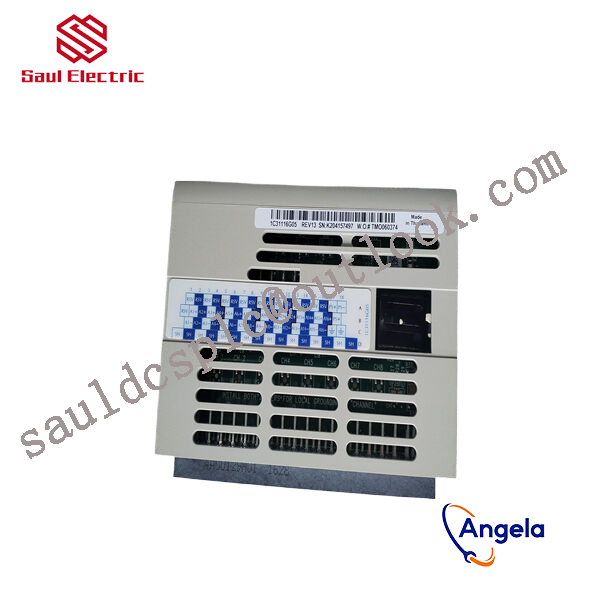
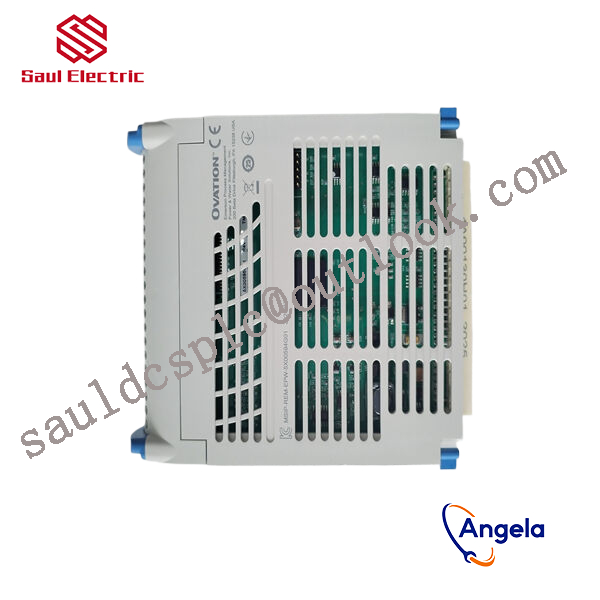
5X00062G01 Emerson redundant system output module
thereby controlling external devices or circuits.
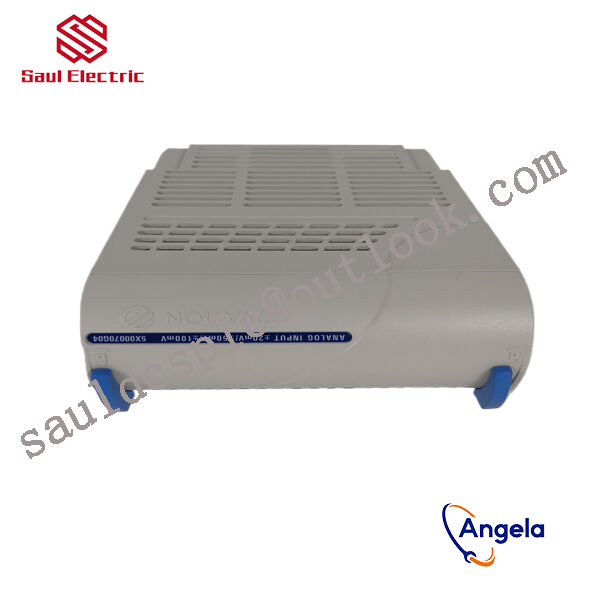
The working principle of the driver
A driver, also known as an actuator, is a device that converts electrical energy, pneumatic energy, hydraulic energy, and other energy into mechanical energy. Drivers are widely used in industrial automation, robotics, aerospace, automotive manufacturing, and other fields. This article will provide a detailed introduction to the working principle, classification, characteristics, and applications of drivers.
1、 The working principle of the driver
The working principle of the driver is to convert the input energy into mechanical energy through energy conversion, thereby achieving the driving of the load. The working principle of a driver can be divided into the following steps:
1. Energy input: The driver receives input signals from the control system, such as electrical signals, gas signals, or liquid signals. These signals typically indicate the desired direction, speed, and force of motion.
2. Energy conversion: The conversion mechanism inside the driver converts the input energy into mechanical energy. Common energy conversion methods include electromagnetic conversion, hydraulic conversion, and pneumatic conversion.
3. Motion control: The motion control mechanism inside the driver controls the output direction, speed, and force of mechanical energy based on input signals to achieve precise driving of the load.
4. Load driven: The driver transfers the converted mechanical energy to the load to generate the required motion.
5. Feedback regulation: The driver collects motion information of the load through sensors, such as position, velocity, and acceleration, and feeds this information back to the control system. The control system adjusts the input signal based on feedback information to achieve precise control of the driver
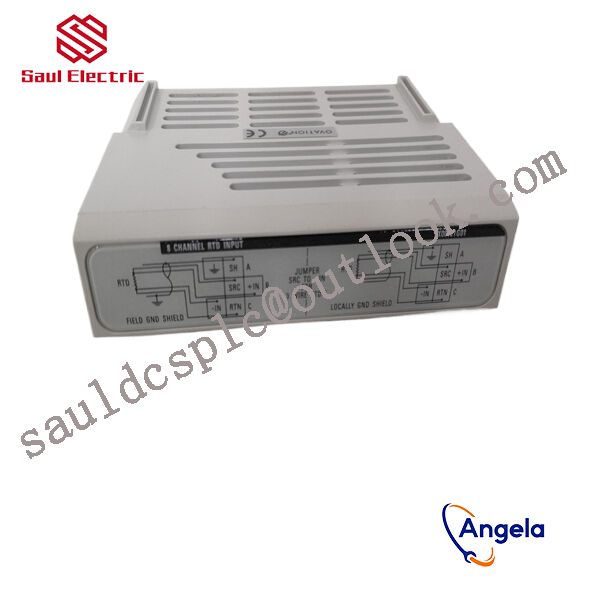
responsible for processing signals from on-site sensors or driving actuator actions. For example, they may need to cooperate with devices such
as BANNER travel switch T30UIPB to receive their transmitted position signals; Or by controlling components such as Burkert solenoid valve 00131421, the on/off of fluid media can be precisely managed.
these modules integrate more complex logic processing capabilities. The core task of a pressure switch is to detect whether the pressure
has reached a preset threshold and output a switch signal. Its function is highly specific and fixed. And modules 5X00062G01 and 1
C31219G01 have the ability to comprehensively judge multiple such switch signals and transmitter signals (such as transmitter 1066-P-HT-60),
and output complex control instructions according to internal logic.