


Description
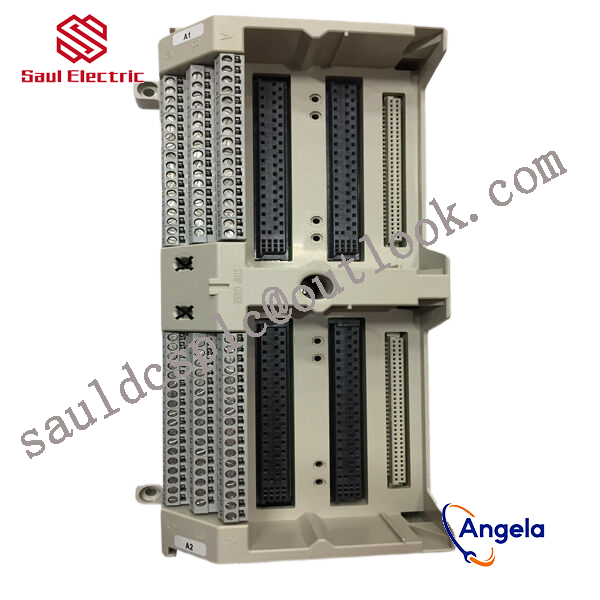
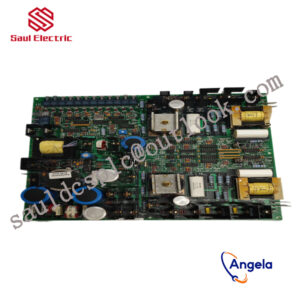
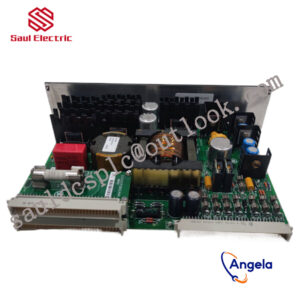
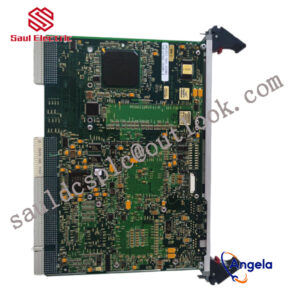
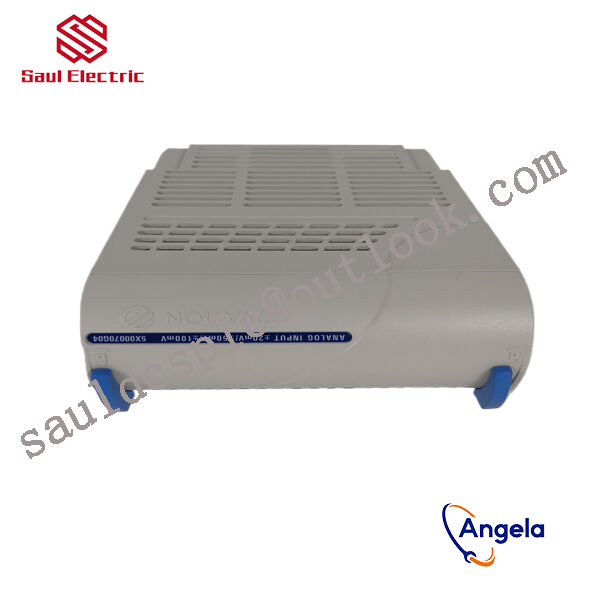
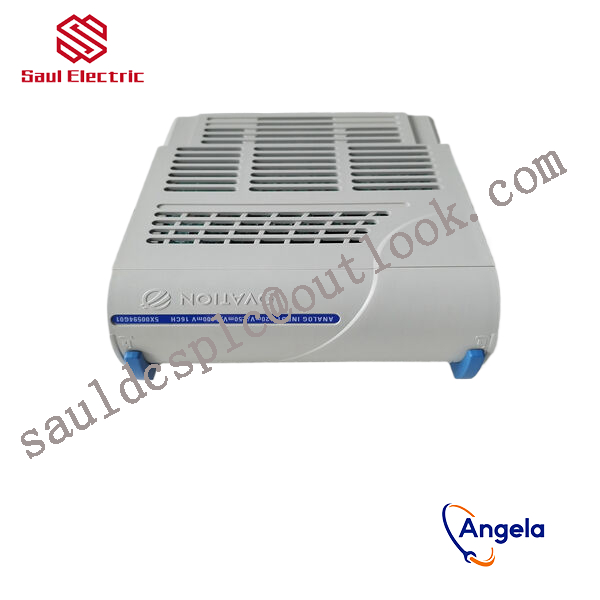
3A99537G01 Emerson Ovation Electromagnetic Output
thereby controlling external devices or circuits.
Motor drivers are essential for controlling motors in all devices from office printers to fans. With the increasing complexity of motor applications, the functionality of motor drivers is also expanding. Although using discrete components to assemble motor drives has been effective in the past, more and more engineers are turning to complete motor drive solutions that are included on a single chip.
Understand motor drivers
The motor driver serves as the interface between the DC motor and its control circuit. These drivers receive low current signals from the control circuit and amplify them to generate high current signals required to drive the motor. Over the years, various methods have been used to create motor drivers, with H-bridge circuits being the most common. At least, the H-bridge driver can turn on and off the motor and reverse its direction. However, for more advanced applications such as robot vacuum cleaners and DSLR cameras, better control and circuit protection are needed.
Discrete component motor driver
The traditional method for motor drivers is to assemble them using discrete components, with the most common being the basic H-bridge. The name ‘H-bridge’ comes from the H-shaped configuration formed by four switches, which are the core of its functionality. The basic H-bridge motor driver circuit typically includes four switches made of MOSFETs or P-channel and N-channel BJTs.
However, please remember that the described H-bridge components will constitute the minimum required for a simple driver program. Due to the involvement of efficiency, noise, vibration, circuit protection, and electromagnetic interference, motor driver circuits have become more complex, and engineers must also consider input and output interfaces. In short, drivers for applications such as industrial printers or camera autofocus require more than just basic H-bridge functionality.
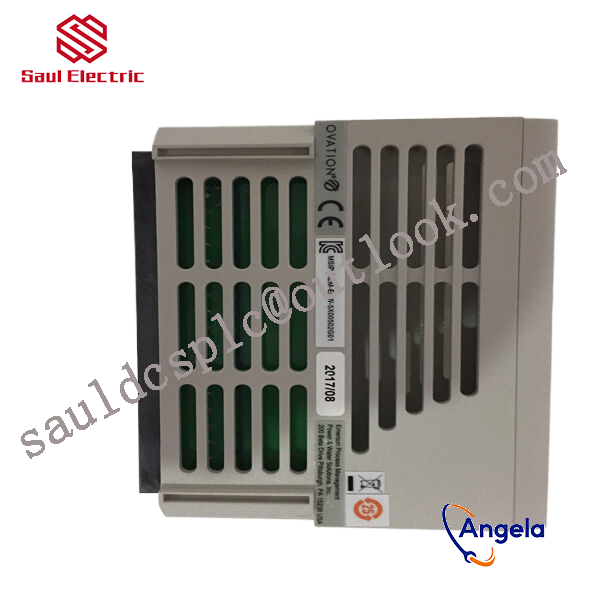
responsible for processing signals from on-site sensors or driving actuator actions. For example, they may need to cooperate with devices such
as BANNER travel switch T30UIPB to receive their transmitted position signals; Or by controlling components such as Burkert solenoid valve 00131421, the on/off of fluid media can be precisely managed.
these modules integrate more complex logic processing capabilities. The core task of a pressure switch is to detect whether the pressure
has reached a preset threshold and output a switch signal. Its function is highly specific and fixed. And modules 3A99537G01 and 1
C31219G01 have the ability to comprehensively judge multiple such switch signals and transmitter signals (such as transmitter 1066-P-HT-60),
and output complex control instructions according to internal logic.