


Description
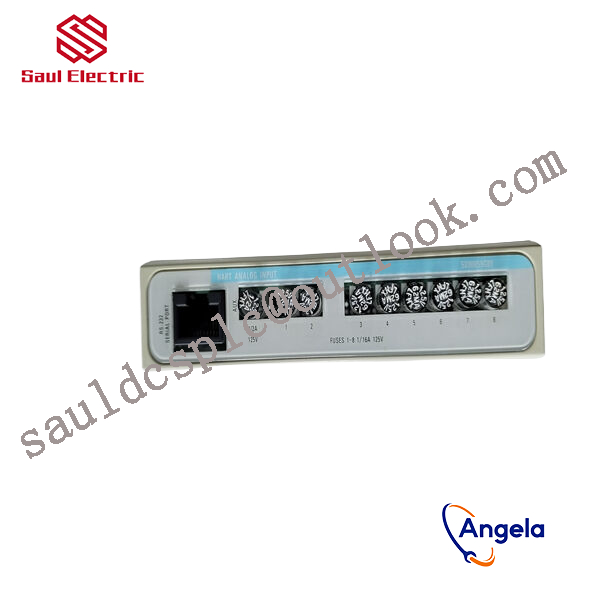
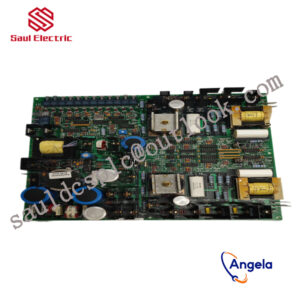
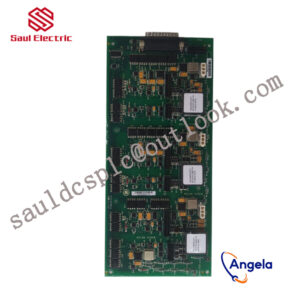
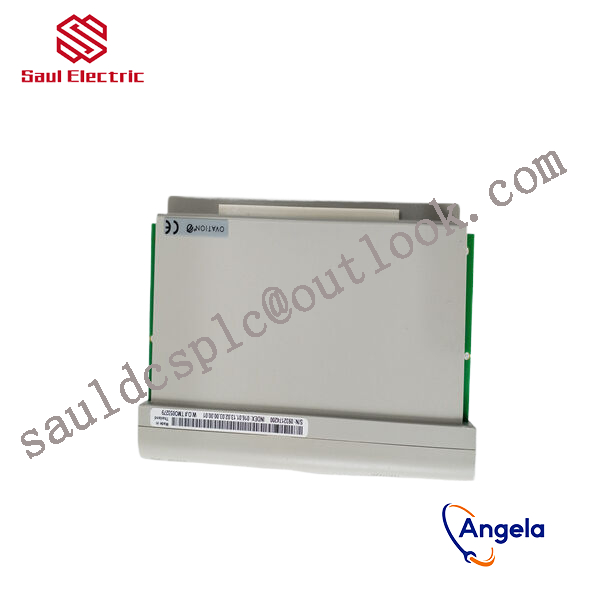
1C31238H01 Relay output logic module Emerson
thereby controlling external devices or circuits.
Choosing the right microcontroller for a product can be a daunting task. You not only need to consider many technical features, but also business aspects such as cost and stocking time that may weaken the project.
In the early stages of a project, you may have an immediate urge to start choosing a microcontroller before agreeing on the details of the system, which is certainly a bad idea.
Before any thinking about microcontrollers, hardware and software engineers should first develop high-level specifications for the system, draw diagrams and flowcharts, and only then have sufficient information to make rational decisions about microcontroller selection. At this stage, you can follow 10 simple steps to ensure making the right choice.
Step 1: Develop a list of required hardware interfaces
Develop a list of all external interfaces that the microcontroller needs to support using the overall hardware diagram. There are generally two types of interfaces that need to be listed. The first type of interface is the communication interface, which includes peripheral interfaces such as USB, I2C, SPI, and UART.
If the application requires USB or some form of Ethernet, make a special note. These interfaces have a significant impact on the program space size that microcontrollers need to support. The second type of interface includes digital input and output, analog-to-digital input, and PWM interface.
These two interface types will indicate the number of pins required by the microcontroller. Figure 1 shows a general example block diagram that lists the I/O requirements.
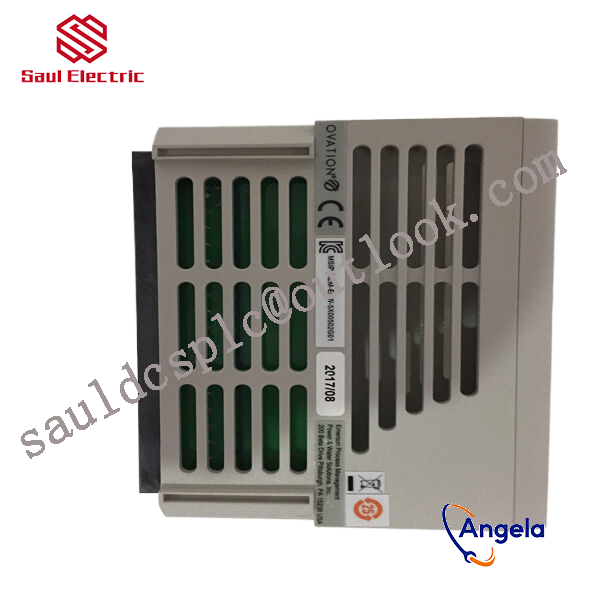
responsible for processing signals from on-site sensors or driving actuator actions. For example, they may need to cooperate with devices such
as BANNER travel switch T30UIPB to receive their transmitted position signals; Or by controlling components such as Burkert solenoid valve 00131421, the on/off of fluid media can be precisely managed.
these modules integrate more complex logic processing capabilities. The core task of a pressure switch is to detect whether the pressure
has reached a preset threshold and output a switch signal. Its function is highly specific and fixed. And modules 1C31238H01 and 1
C31219G01 have the ability to comprehensively judge multiple such switch signals and transmitter signals (such as transmitter 1066-P-HT-60),
and output complex control instructions according to internal logic.