


Description
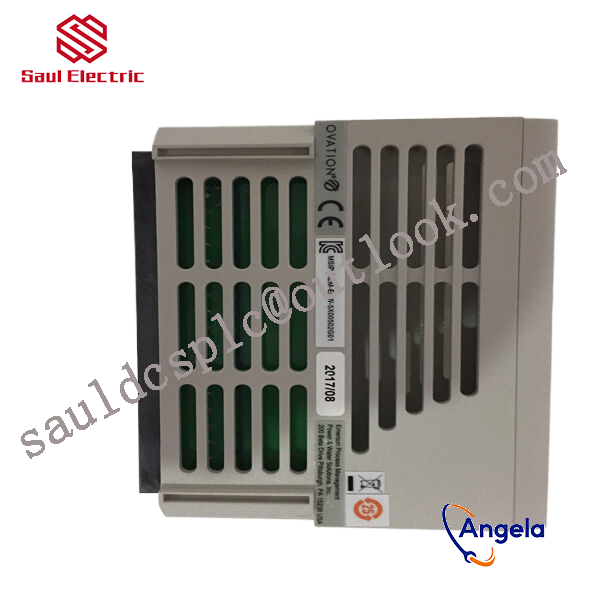
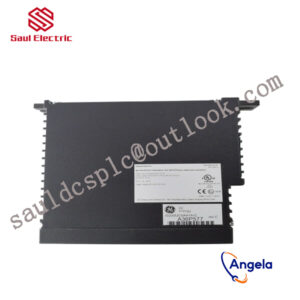
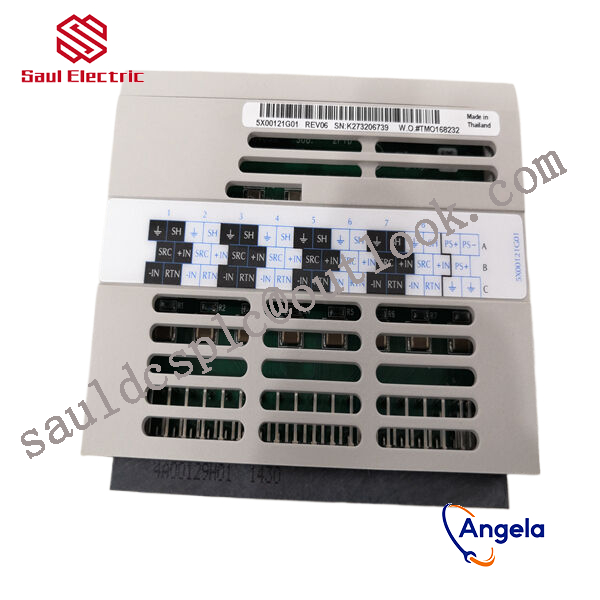
1C31223G01 Emerson redundant system output module
thereby controlling external devices or circuits.
What is a driver
Drivers, also known as driver programs or driver software, are software used in computer systems to control and manage hardware devices. It serves as a bridge between the operating system and hardware devices, responsible for converting operating system instructions into signals that hardware devices can understand and execute. Drivers are crucial for the stable operation and performance of computer systems. This article will provide a detailed introduction to the concept, classification, working principle, installation and update, fault diagnosis and troubleshooting of drivers.
1、 The concept of a driver
A driver is a special software that is responsible for communication and data transfer between the operating system and hardware devices. The main task of a driver is to convert abstract commands of the operating system into specific instructions that hardware devices can recognize and execute. In this way, the operating system can control and manage various hardware devices through drivers without worrying about the specific implementation details of the hardware devices.
2、 Classification of Drivers
According to the type and function of hardware devices, drivers can be divided into the following categories:
1. Display driver: responsible for controlling and managing the drivers of display devices such as monitors and graphics cards.
2. Audio driver: responsible for controlling and managing drivers for audio devices such as sound cards and speakers.
3. Network driver: responsible for controlling and managing the drivers of network interface cards, wireless network cards, and other network devices.
4. Storage drives: responsible for controlling and managing the drives of storage devices such as hard drives, solid-state drives, and USB drives.
5. Input device driver: responsible for controlling and managing drivers for human-computer interaction devices such as keyboards, mice, touch screens, etc.
6. Output Device Drivers: Responsible for controlling and managing drivers for output devices such as printers and scanners.
7. USB Drive: Responsible for controlling and managing the USB interface and the drivers of the devices connected to it.
8. Other drivers: such as Bluetooth drivers, infrared drivers, etc.
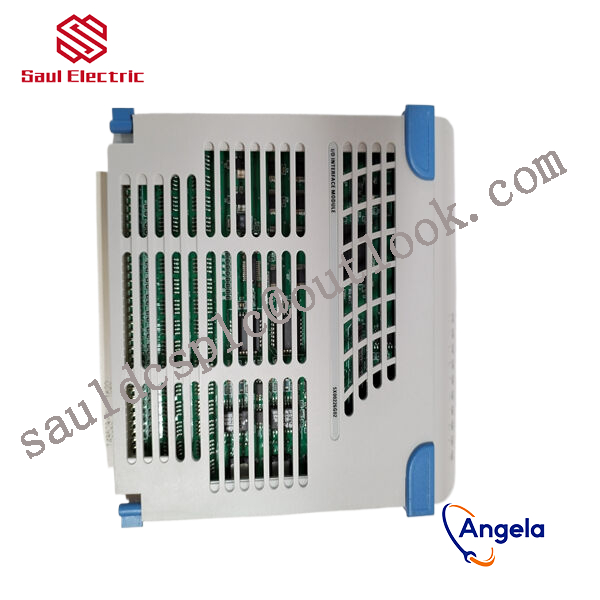
responsible for processing signals from on-site sensors or driving actuator actions. For example, they may need to cooperate with devices such
as BANNER travel switch T30UIPB to receive their transmitted position signals; Or by controlling components such as Burkert solenoid valve 00131421, the on/off of fluid media can be precisely managed.
these modules integrate more complex logic processing capabilities. The core task of a pressure switch is to detect whether the pressure
has reached a preset threshold and output a switch signal. Its function is highly specific and fixed. And modules 1C31223G01 and 1
C31219G01 have the ability to comprehensively judge multiple such switch signals and transmitter signals (such as transmitter 1066-P-HT-60),
and output complex control instructions according to internal logic.