


Description
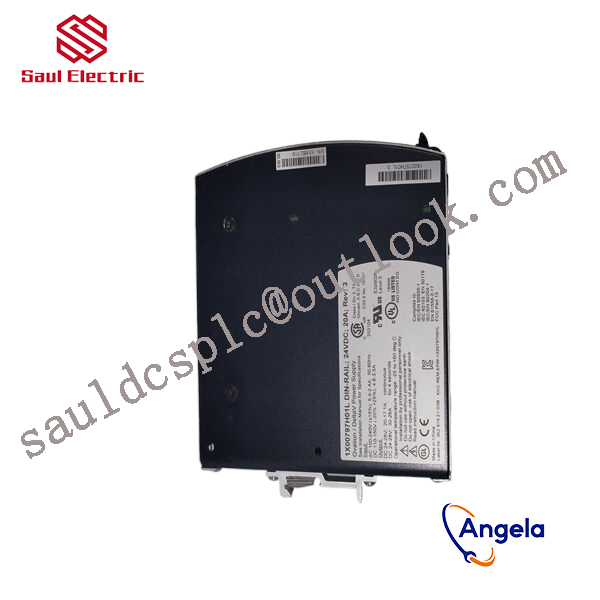
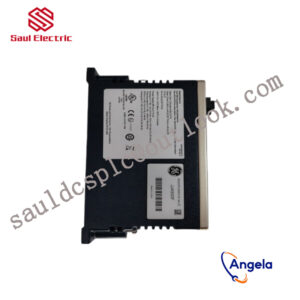
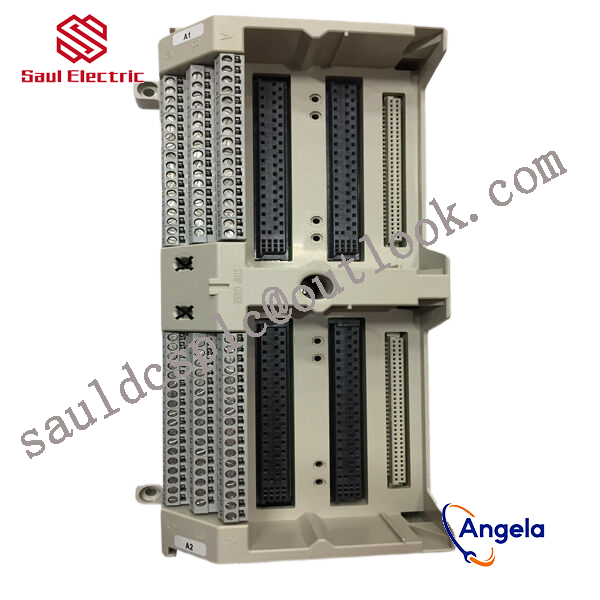
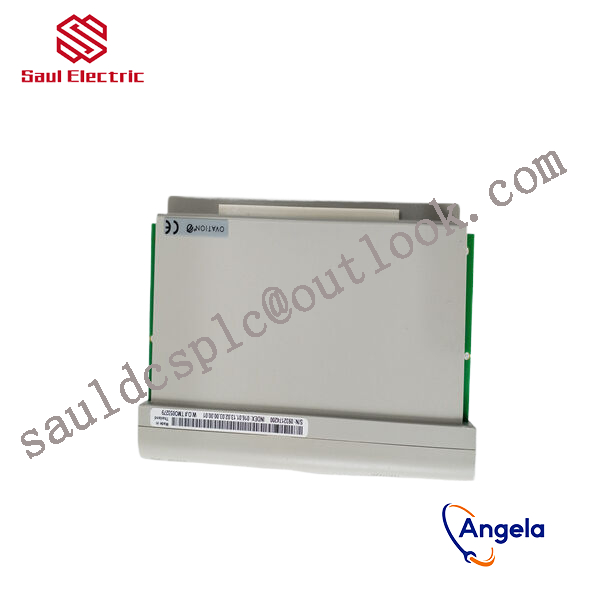
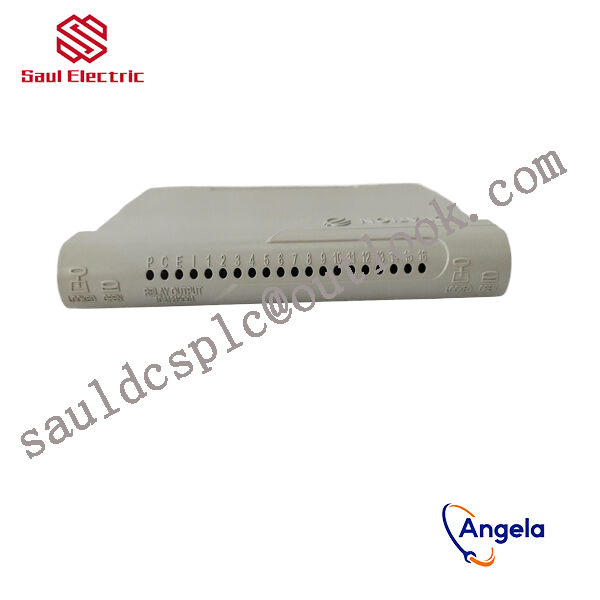
1C31219G01 Emerson Ovation Electromagnetic Output
thereby controlling external devices or circuits.
1. Introduction
In the field of industrial automation, PLC (Programmable Logic Controller) and driver, as the two core components, each play an indispensable role. PLC, as the “brain” of the control system, is responsible for receiving external signals and issuing control instructions according to preset programs; And the driver is the ‘muscle’ that executes these instructions, converting the control signals sent by the PLC into actual power to drive the equipment to work. This article will delve into the relationship between PLC and drivers from multiple perspectives, including their definitions, working principles, functions in control systems, and ways of collaboration between them.
2、 Definition and working principle of PLC and driver
Definition and working principle of PLC
PLC is a digital operation electronic system designed specifically for industrial environments. It uses programmable memory to store instructions for performing logical operations, sequential control, timing, counting, and arithmetic operations, and controls various types of mechanical equipment or production processes through digital or analog input/output. The working principle of PLC is mainly based on microprocessor technology, which receives external input signals (such as buttons, sensors, etc.), executes preset programs, and then outputs corresponding control signals to achieve equipment control.
Definition and Working Principle of Drivers
A driver is an electronic device used to control the movement of equipment, which can convert electricity into mechanical energy to achieve motion control of the equipment. In industrial automation, drivers are mainly used to control the operation of equipment such as motors and solenoid valves. The working principle of a driver is mainly to receive signals from controllers such as PLCs, convert them into electrical signals, and then drive the movement of the equipment. Specifically, drivers typically include a power electronic device (such as power transistors, IGBTs, etc.) that converts DC power into AC power through switch control, thereby driving the movement of the equipment.
responsible for processing signals from on-site sensors or driving actuator actions. For example, they may need to cooperate with devices such
as BANNER travel switch T30UIPB to receive their transmitted position signals; Or by controlling components such as Burkert solenoid valve 00131421, the on/off of fluid media can be precisely managed.
these modules integrate more complex logic processing capabilities. The core task of a pressure switch is to detect whether the pressure
has reached a preset threshold and output a switch signal. Its function is highly specific and fixed. And modules 1C31219G01 and 1
C31219G01 have the ability to comprehensively judge multiple such switch signals and transmitter signals (such as transmitter 1066-P-HT-60),
and output complex control instructions according to internal logic.