


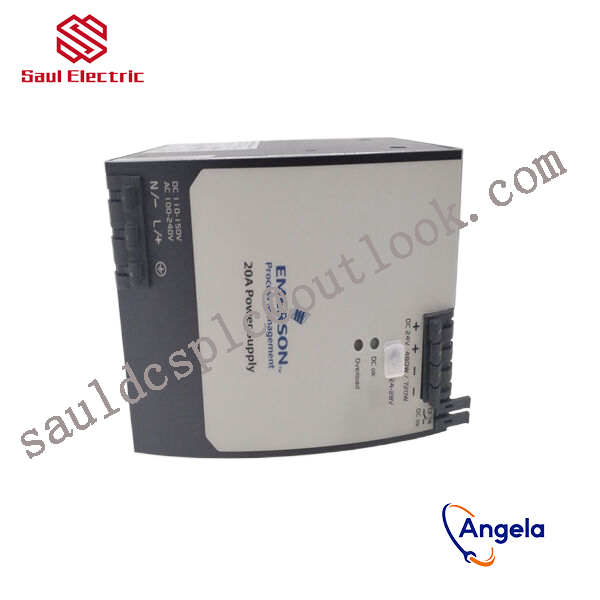
Description
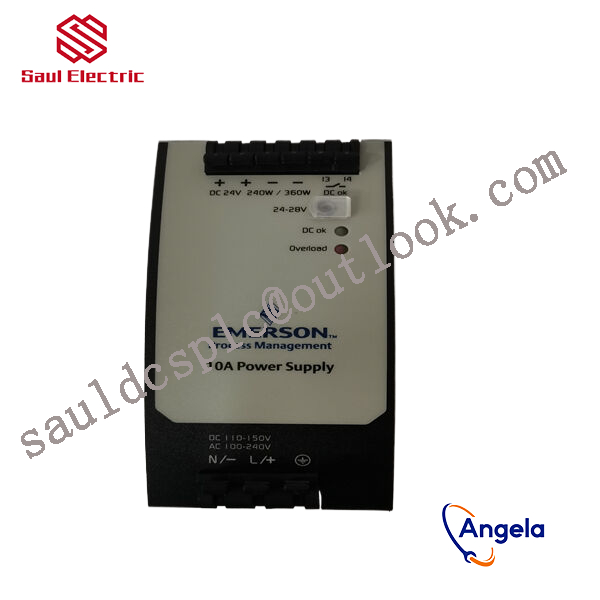
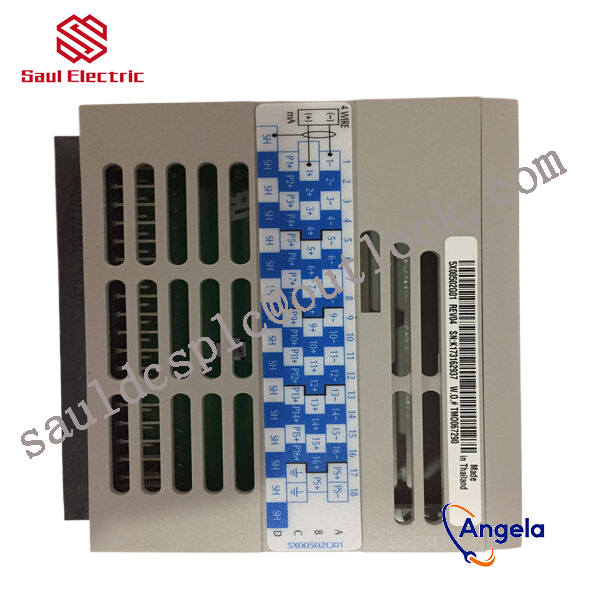
1C31181G02 Emerson Ovation Electromagnetic Output
thereby controlling external devices or circuits.
3、 Inverter motor speed regulation: Advantages: ① It has a simple structure for AC synchronous motors and good speed regulation performance for DC motors; ② When operating at low speeds, use power supply voltage, and when operating at high speeds, use stepper motor back electromotive force for natural commutation, ensuring reliable operation; ③ No additional slip loss, high efficiency, suitable for starting and speed regulation of high-speed and large capacity synchronous motors. Disadvantages: Low overload capacity, and the capacity of the original motor cannot be fully utilized.
4、 Cascade speed regulation: Advantages: ① It can feedback and utilize the slip energy generated during the speed regulation process. efficient; ② The device capacity is proportional to the speed regulation range and is suitable for 70% to 95% speed regulation. Disadvantages: Low power factor, harmonic interference, no braking torque during normal operation, suitable for loads operating in a single quadrant.
5、 Stator voltage and speed regulation: Advantages: ① Simple circuit, small device size, and low price; ② Easy to use and maintain. Disadvantages: ① Increased slip loss during speed regulation, which causes the rotor to heat up and has lower efficiency; ② The speed regulation range is relatively small; ③ Require the use of high slip motors, such as specially designed torque motors, which have softer characteristics and are generally suitable for asynchronous motors below 55kW.
6、 Electromagnetic differential clutch speed regulation: Advantages: ① Simple structure, small control device capacity, and low value; ② Reliable operation and easy maintenance; ③ No harmonic interference. Disadvantages: ① Large speed loss, because the electromagnetic slip clutch itself has a large slip, so the maximum speed of the output shaft is only 80% to 90% of the synchronous speed of the motor; ② During the speed regulation process, all the differential power is converted into thermal energy, resulting in low efficiency.
7、 Rotor series resistance speed regulation: Advantages: ① Low technical requirements, easy to master; ② Low equipment costs; ③ No electromagnetic harmonic interference. Disadvantages: ① The series cast iron resistor can only be adjusted in stages. If liquid resistors are used for stepless speed regulation, higher maintenance and upkeep requirements will be required; ② The additional slip power during the speed regulation process is all converted into losses in the form of heat generated by the series resistor, resulting in low efficiency. ③ The speed range is not large.
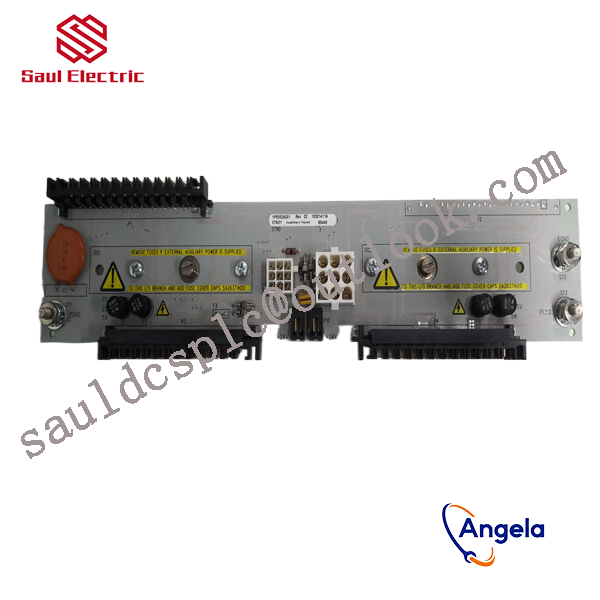
responsible for processing signals from on-site sensors or driving actuator actions. For example, they may need to cooperate with devices such
as BANNER travel switch T30UIPB to receive their transmitted position signals; Or by controlling components such as Burkert solenoid valve 00131421, the on/off of fluid media can be precisely managed.
these modules integrate more complex logic processing capabilities. The core task of a pressure switch is to detect whether the pressure
has reached a preset threshold and output a switch signal. Its function is highly specific and fixed. And modules 1C31181G02 and 1
C31219G01 have the ability to comprehensively judge multiple such switch signals and transmitter signals (such as transmitter 1066-P-HT-60),
and output complex control instructions according to internal logic.