


Description
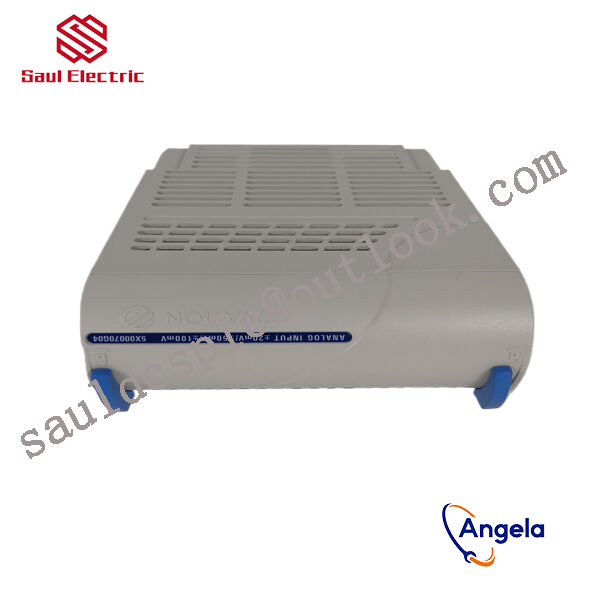
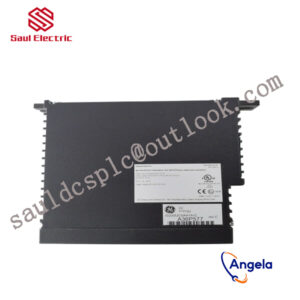
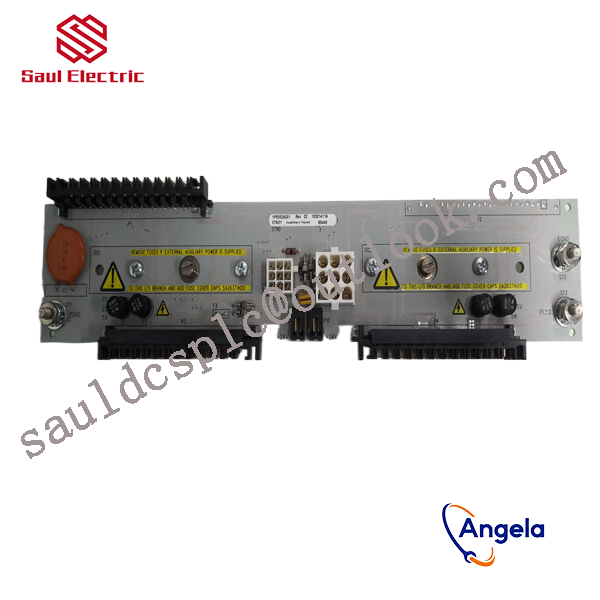
1C31116G05 Emerson Ovation Electromagnetic Output
thereby controlling external devices or circuits.
The software architecture and requirements have a significant impact on the selection of microcontrollers. The severity of the processing requirements determines whether to use an 80 MHz DSP or an 8 MHz 8051. Like hardware, all important requirements should be noted down.
Step 3: Select Architecture
Using the information from steps 1 and 2, engineers should be able to have a preliminary idea of the required architecture. Can the application be implemented through an 8-bit architecture? Where are the 16? Do you still need a 32-bit ARM core? These issues will begin to converge into a solution between the application and the required software algorithms. Don’t forget about possible future requirements and functional extensions.
Just because 8-bit microcontrollers can meet your current requirements, you cannot disregard 16 bit microcontrollers for future functionality or ease of use. Please remember that microcontroller selection can be an iterative process.
You may choose a 16 bit period in this step, but later find that 32-bit ARM components are more suitable. This step only allows engineers to determine the correct direction of progress.
Step 4: Determine Memory Requirements
For any microcontroller, flash memory and RAM are two very important components. Ensuring that there is no shortage of program space, or variable space, is definitely the top priority. When selecting components, it is easy to choose components with excessive functionality rather than those with insufficient functionality.
At the end of the design, it is not uncommon to find that 110% of the space is needed or some features need to be reduced. After all, you always start by wanting more and then move on to limiting slightly more components within the same chip family.
By utilizing the software architecture and communication peripherals included in the application, engineers can estimate the required flash and RAM sizes for the application. Remember to leave some space for feature extensions and future versions! This can save a lot of trouble for the future.
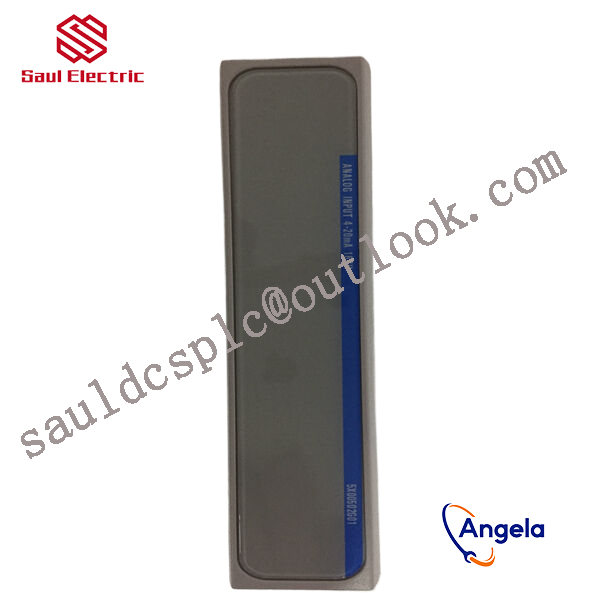
responsible for processing signals from on-site sensors or driving actuator actions. For example, they may need to cooperate with devices such
as BANNER travel switch T30UIPB to receive their transmitted position signals; Or by controlling components such as Burkert solenoid valve 00131421, the on/off of fluid media can be precisely managed.
these modules integrate more complex logic processing capabilities. The core task of a pressure switch is to detect whether the pressure
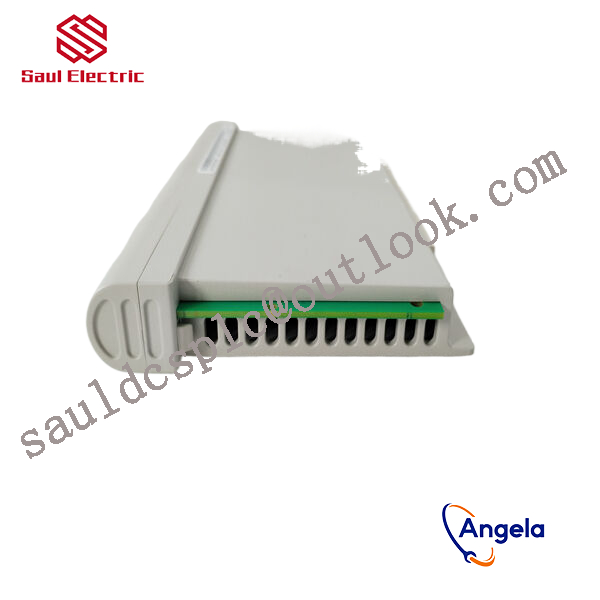
has reached a preset threshold and output a switch signal. Its function is highly specific and fixed. And modules 1C31116G05 and 1
C31219G01 have the ability to comprehensively judge multiple such switch signals and transmitter signals (such as transmitter 1066-P-HT-60),
and output complex control instructions according to internal logic.